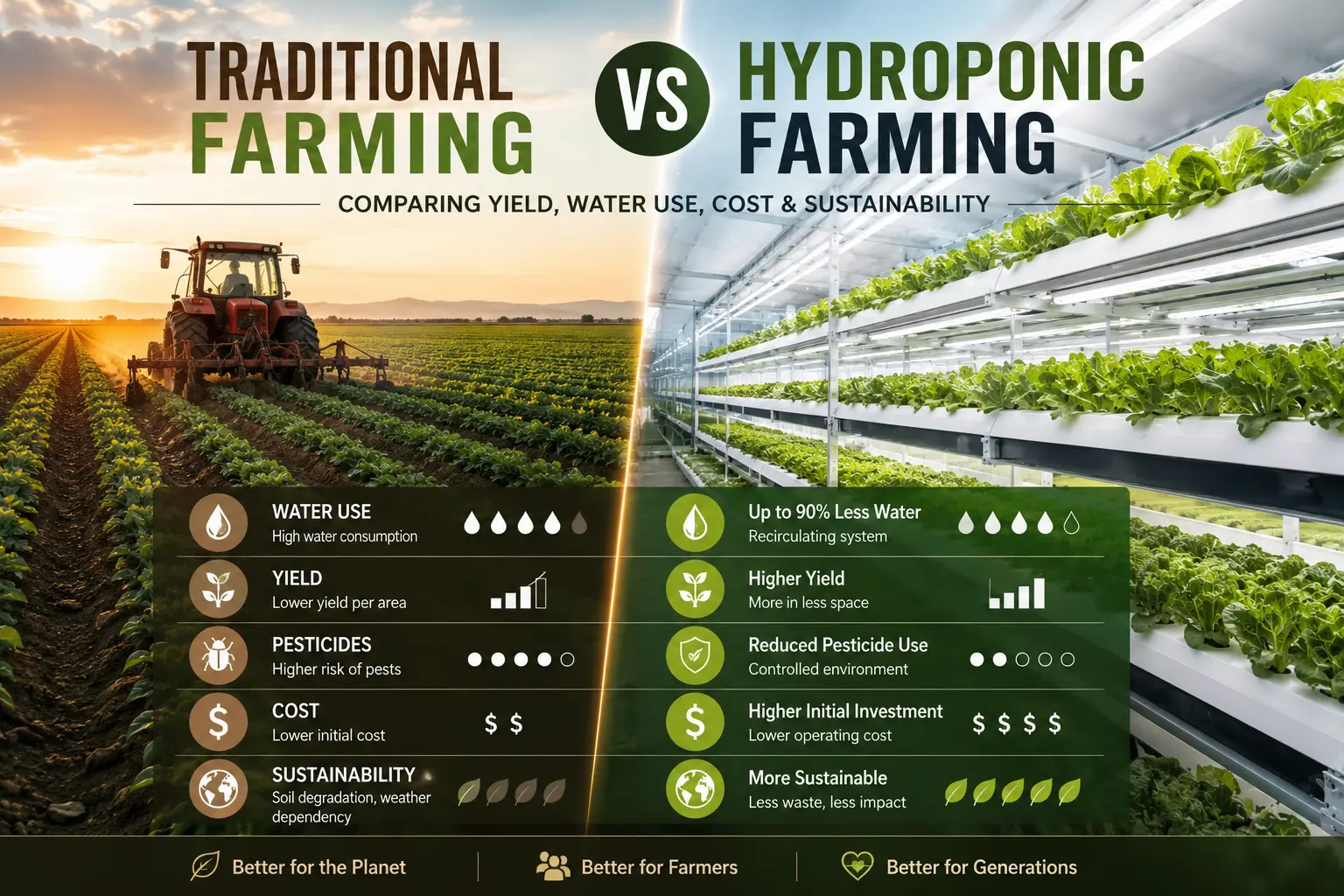
Hydroponic Farming vs Traditional Farming: Key Differences, Benefits, and Sustainability Comparison
Hydroponic farming is a method of growing plants in a soilless environment using water solutions enriched with nutrients. Traditional farming, on the other hand, refers to the classical soil-based cultivation model that has been practiced for thousands of years. So, how do these two methods differ from each other, and which one makes more sense under today’s conditions? The comparison between hydroponic farming and traditional farming has become an increasingly important decision for both small-scale growers and large agricultural enterprises.
In the first part of this article, we will examine the basic definitions of both methods. Then, we will explore their working principles and structural differences. In the third section, we will present a comparative evaluation based on practical criteria such as productivity, water consumption, costs, and environmental impacts. Finally, we will discuss which method holds stronger potential for the future of sustainable agriculture.
Hydroponic Farming and Traditional Farming: Basic Definitions
To understand the differences between the two methods, it is first necessary to define how each system works, what conditions they depend on, and in which environments they are applied. In the following sections, we explain the fundamental logic behind both production models.
Hydroponic Farming
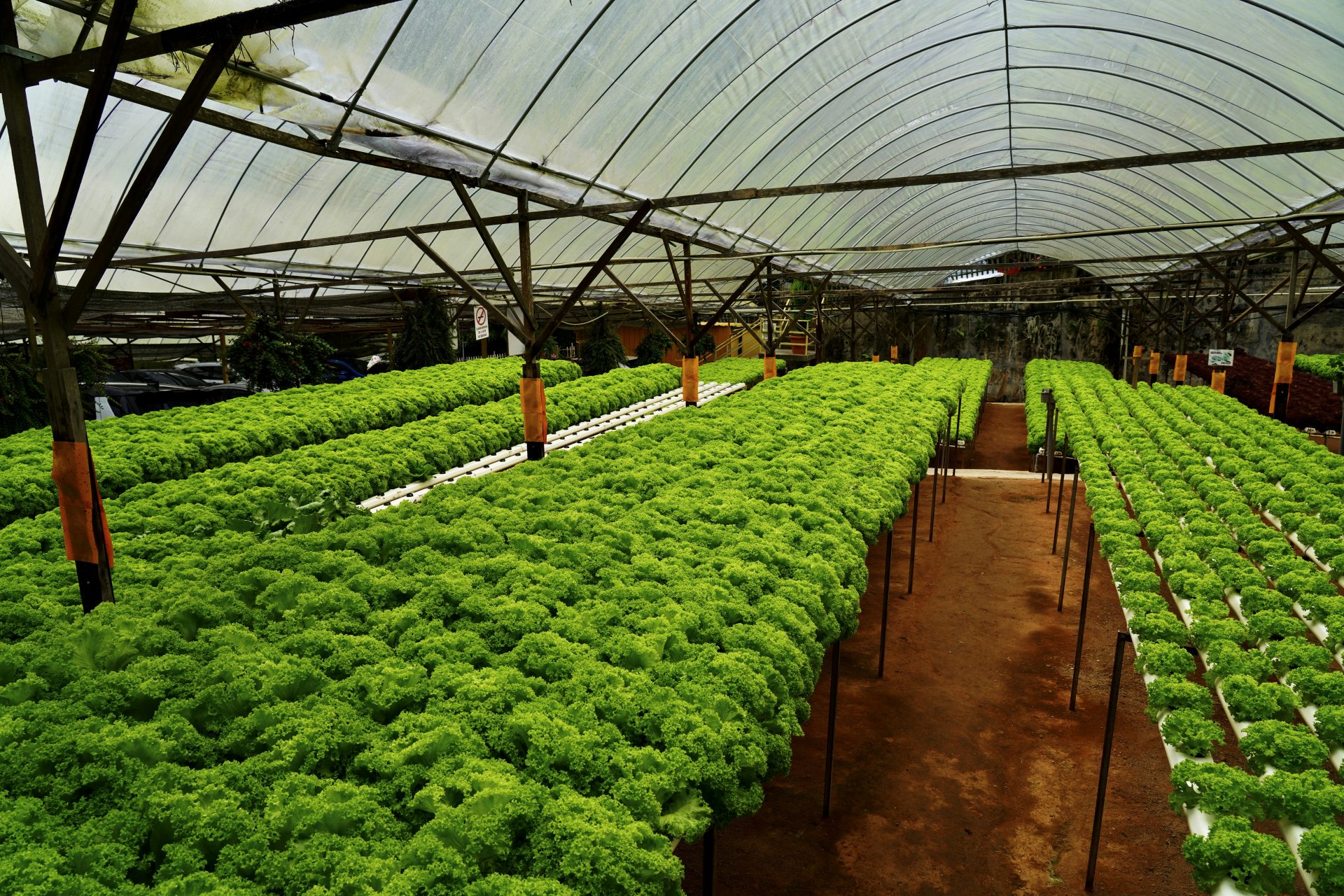
Hydroponic farming is a production method in which plant roots are fed directly with water or nutrient solutions containing macro and micronutrients such as nitrogen, phosphorus, and potassium instead of soil. Oxygen required by the roots is typically supplied through air stones, NFT (Nutrient Film Technique) systems, or periodic flow cycles in drip systems.
In this method, pH levels (generally between 5.5–6.5), EC (electrical conductivity), and temperature are continuously monitored, and the nutrient solution is adjusted according to the plant’s growth stage. Since crops such as tomatoes, lettuce, strawberries, and basil receive everything they need directly at the root zone, growth rates accelerate significantly.
Because hydroponic systems can be implemented in greenhouses, container farms, or vertical farming facilities, climate and geographical limitations such as snow, drought, or infertile soils become far less restrictive for production.
Traditional Farming
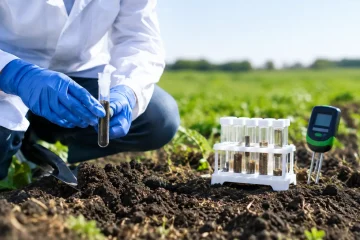
Traditional farming is the classical cultivation method in which plants are grown directly in soil and rely on natural rainfall, sunlight, and seasonal cycles. Plant roots absorb water and nutrients from the soil, meaning that soil organic matter, drainage capacity, and mineral composition directly affect productivity.
The success of production depends heavily on external factors. Spring frosts, summer droughts, or excessive rainfall can completely change a season’s yield. Farmers plan irrigation methods (flood, drip, or sprinkler irrigation), fertilization schedules, and crop rotations according to these environmental conditions.
Field crops such as wheat, corn, and cotton are generally cultivated across large open areas covering hectares of land.
Working Principles: Differences Between Hydroponic and Traditional Farming
The fundamental distinction between these two production methods lies in how nutrients and resources are delivered to the plant. The role of soil, nutrient delivery pathways, and control mechanisms clearly separate these systems from one another.
Nutrient Delivery Systems
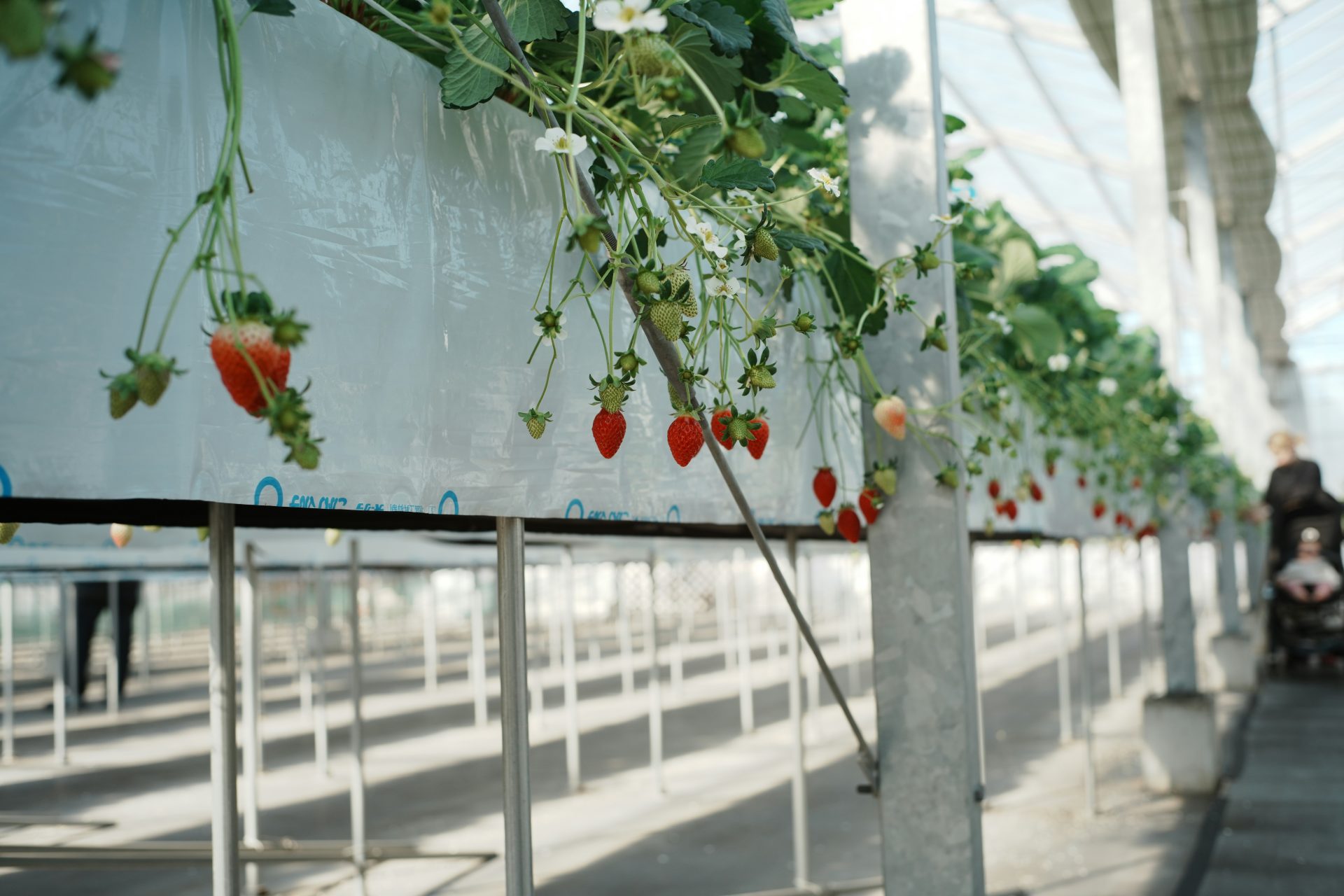
In hydroponic systems, macronutrients such as nitrogen, phosphorus, potassium, calcium, and magnesium, along with micronutrients like iron, zinc, and boron, are dissolved into water in precise ratios and pumped directly into the root zone. Plants spend less energy searching for nutrients and more energy on growth.
In traditional farming, nutrients are gradually released through soil organic matter, minerals, and microbial activity. This process is largely outside the plant’s direct control. Soil pH, temperature, and moisture conditions strongly influence nutrient availability. In hydroponics, however, EC meters and pH sensors allow growers to monitor and adjust nutrient levels daily.
Growing Media
Hydroponic production uses inert materials instead of soil to support the roots. Perlite is widely used because of its lightweight structure and air retention capacity. Cocopeat, made from coconut husks, offers excellent water retention. Rockwool is commonly used in commercial greenhouses. These materials do not provide nutrients; they only offer physical support.
In traditional farming, roots develop in natural soil with varying clay, sand, silt, and organic matter content. Soil structure determines how deeply roots penetrate and how extensively they branch out. In hydroponics, root systems are usually smaller but denser with lateral roots because plants no longer need to search for nutrients.
Irrigation and Nutrient Control Mechanisms
Hydroponic systems operate with timers, pumps, drip emitters, and sensors working together. In NFT systems, a thin layer of nutrient solution continuously flows through channels. In DWC (Deep Water Culture) systems, air stones oxygenate the nutrient solution. Water usage is reduced through recirculating systems compared to conventional field irrigation.
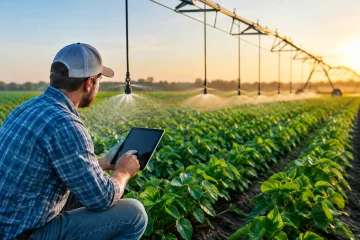
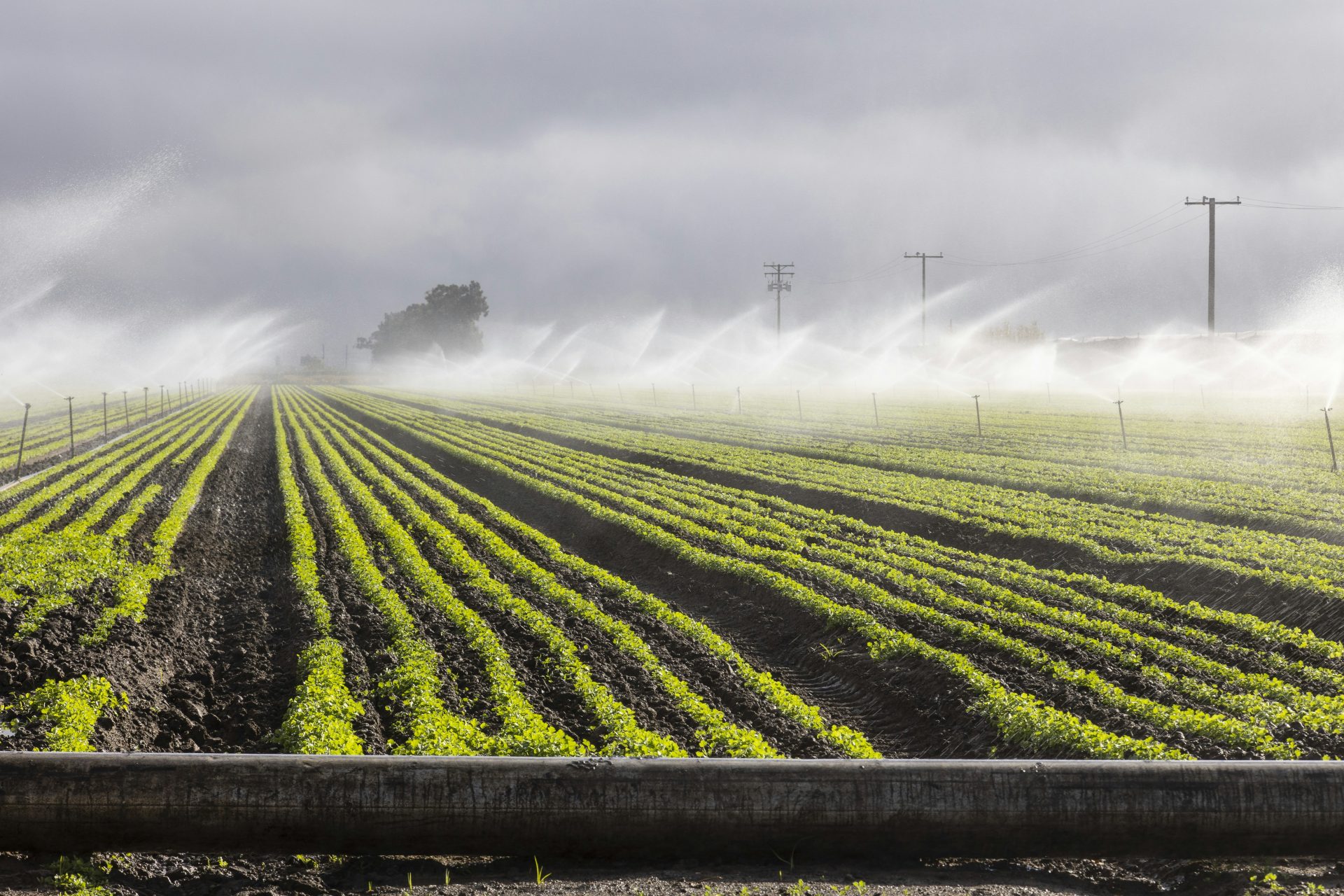
Traditional farming relies on flood, sprinkler, or drip irrigation methods, where evaporation and seepage losses are unavoidable. Farmers usually schedule irrigation based on soil moisture observations or weather forecasts. In hydroponics, nutrient concentration, temperature, and light intensity can all be adjusted simultaneously, allowing plants to receive a growth-stage-specific feeding formula.
Comparing Productivity, Water Usage, Costs, and Environmental Impact
The choice between hydroponic and traditional farming is shaped not only by production capacity but also by resource efficiency, initial investment, and environmental footprint. The following sections compare these methods across four major dimensions.
Productivity Analysis
One of the strongest advantages of hydroponic systems is the amount of produce obtained per square meter. Vertical rack systems allow significantly more plants to be cultivated in the same physical footprint. Production can occur in stacked layers. Crops such as lettuce, basil, and strawberries also benefit from shorter harvest cycles because roots have direct access to nutrients.
In traditional farming, productivity depends on soil quality, climate conditions, and seasonal cycles. Typically, only one or two harvests can be achieved annually from the same field. In contrast, hydroponic greenhouses can produce crops year-round. Therefore, productivity comparisons should consider not only harvest volume but also annual production frequency.
Water Consumption and Efficiency
One of the most frequently highlighted advantages of hydroponics is water recirculation. Nutrient solutions circulate in a closed-loop system. Evaporation and soil infiltration losses are minimized, and water can be filtered and reused. As a result, hydroponics can produce the same amount of food using considerably less freshwater compared to traditional field irrigation.
In traditional agriculture, irrigation methods such as flood, sprinkler, or drip systems still result in significant water losses through soil absorption and evaporation. In regions facing water scarcity, the choice of farming method directly affects long-term sustainability. This is why hydroponics has become an increasingly attractive alternative in drought-prone regions.
Initial Investment and Operating Costs
Hydroponic setups require greenhouses, pumps, circulation systems, LED lighting, automation panels, and nutrient tanks. These technical requirements significantly increase initial investment costs compared to conventional farming.
However, during operation, labor-intensive activities such as tilling and weeding are greatly reduced. Pesticide use often declines as well. On the other hand, electricity, heating, and nutrient solution costs become major ongoing expenses. Traditional farming may require lower initial investment, but fuel, fertilizers, pesticides, and seasonal labor costs can still create substantial long-term financial burdens.
Carbon Footprint and Environmental Impact
The environmental performance of hydroponics largely depends on the energy source used. If lighting and climate control systems rely on fossil-fuel-generated electricity, the carbon footprint can increase considerably. When integrated with solar or renewable energy systems, emissions can be significantly reduced.
Traditional farming contributes to environmental pressure through tractor fuel consumption, synthetic fertilizer production, and pesticide use. Soil erosion and groundwater contamination are additional concerns that should not be overlooked. In both systems, proper waste management, recycling practices, and compliance with environmental regulations remain essential for sustainable production.
The Future of Agriculture: Sustainability Evaluation of Both Methods
In sustainability discussions, the success of an agricultural method is measured not only by harvest volume but also by how well it preserves soil, water, and ecosystems for future generations.
Sustainability Challenges of Traditional Farming
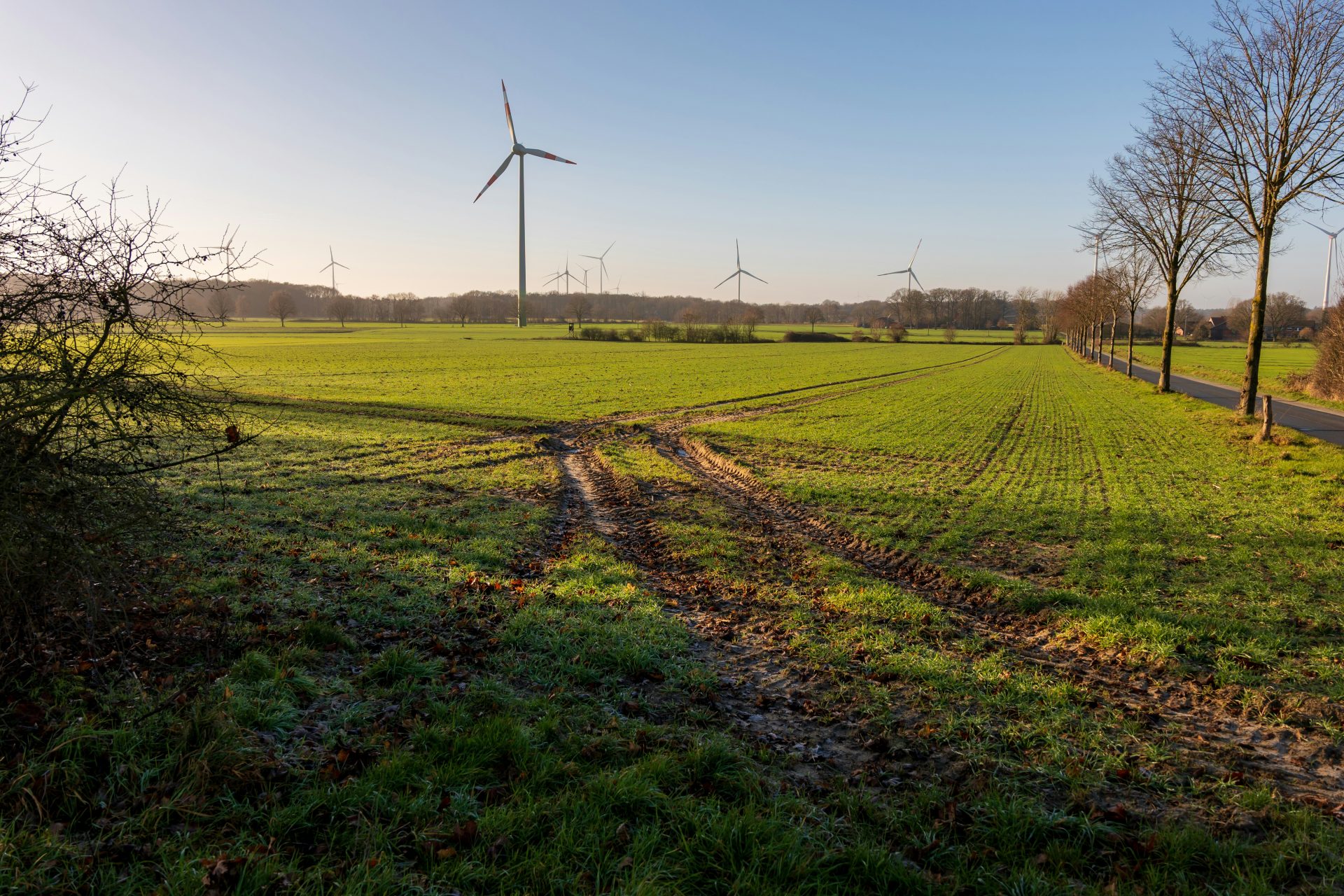
Traditional irrigation methods such as flood or sprinkler irrigation often result in excessive water loss beyond plant requirements. In arid regions, declining groundwater levels force farmers into a cycle of drilling deeper wells. Continuous monoculture production can also deplete specific nutrients from the soil over time.
Excessive use of synthetic fertilizers may lead to eutrophication when nutrients enter nearby water bodies through runoff. Broad-spectrum pesticides can harm beneficial organisms such as bees, butterflies, and soil microorganisms in addition to pests. Dependence on uniform seed varieties may also reduce biodiversity and weaken local genetic resources.
Features of Modern Sustainable Farming Methods
Hydroponic systems allow repeated reuse of water through closed-loop circulation. Technologies such as drip irrigation, moisture sensors, and LED lighting optimize resource consumption at the plant level. Pest management often relies on integrated methods such as beneficial insects or pheromone traps, reducing chemical dependency.
In soil-based sustainable agriculture, practices like cover cropping, crop rotation, and reduced tillage help improve soil organic matter and prevent erosion.
Comparing Sustainability Criteria
Modern systems such as hydroponics provide clear advantages in water efficiency and land productivity, but they also carry environmental costs related to energy consumption and plastic infrastructure. Traditional farming remains indispensable for large-scale grain production but can degrade soil health when intensified excessively.
The most effective approach may not be choosing one method over the other but integrating both according to crop type, regional conditions, and available resources.
Frequently Asked Questions (FAQ)
Hydroponic systems are especially suitable for shallow-rooted and fast-growing plants. Leafy greens such as lettuce, spinach, arugula, and Swiss chard are among the most common crops due to their short harvest cycles. Tomatoes, peppers, cucumbers, eggplants, strawberries, and herbs such as basil, mint, and parsley also perform well in hydroponic environments.
The main disadvantage is the high setup cost and technical dependency. Equipment such as pumps, timers, EC and pH meters, lighting systems, and climate control units require significant investment. Continuous monitoring is essential, and power outages can quickly damage plants because roots lose access to oxygen.
Profitability depends on crop type, market access, and production scale. Hydroponics offers higher yields and year-round production, making it highly attractive for urban farming and high-value crops. Traditional farming remains more economical for grains, legumes, and industrial crops cultivated over large areas.
Capital requirements vary widely depending on scale and technology. Small home systems can be established with modest budgets, while commercial greenhouse projects require substantial investments in infrastructure, automation, and climate systems. Starting with a pilot-scale setup is generally the safest approach.
Conclusion
Hydroponic farming and traditional farming represent two distinct approaches to food production. Traditional farming continues to supply the majority of the world’s food thanks to its soil-based structure, lower startup costs, and centuries of accumulated experience. Hydroponic farming, however, offers major advantages such as reduced water consumption, year-round production, higher yields in vertical spaces, and lower pesticide usage.
At the same time, hydroponic systems come with high setup costs and energy dependence, while traditional farming remains vulnerable to climate conditions and water scarcity. Determining which method is more suitable ultimately depends on available land, budget, local climate, and the crops you intend to grow. Starting with a small-scale trial and scaling based on real-world observations is often the most practical path forward.