
How to Discover Agricultural Products Worldwide
A grower in Texas looking for drip irrigation parts, an importer comparing fertilizer sources in North Africa, and a livestock operator searching for feed equipment in South America all face the same problem: agricultural sourcing is still too fragmented. If you want to discover agricultural products worldwide, the challenge is rarely lack of supply. The real issue is finding the right product, from the right supplier, in the right market, without wasting weeks on scattered searches and low-quality leads.
That is where a sector-focused approach changes the process. Agriculture is not a generic trade category. It runs on seasonality, technical requirements, regional standards, shipping constraints, and trust. A buyer looking for greenhouse film or seedling trays is not shopping the same way as someone sourcing tractors, animal nutrition products, or consulting services. Product discovery works better when the marketplace reflects how agriculture actually operates.
Why it is hard to discover agricultural products worldwide
Most sourcing problems start with too much noise. General directories may show thousands of companies, but they often do not help buyers separate manufacturers from traders, agricultural specialists from general vendors, or serious exporters from inactive listings. That slows down procurement and creates risk.
The second problem is category depth. Agriculture covers a wide range of inputs, equipment, services, and technologies. Irrigation systems, fertilizers, seeds, machinery, livestock solutions, horticulture supplies, and AgriTech all have different buying criteria. A broad search can tell you who exists. It usually cannot tell you who fits your operation.
Then there is the issue of geography. Global sourcing opens more options, but it also introduces variables such as minimum order quantities, product specifications, seasonal availability, compliance expectations, and logistics capacity. A supplier may look suitable on paper and still be a poor commercial match once those details are reviewed.
What better product discovery looks like
To discover agricultural products worldwide in a useful way, buyers need more than a search bar. They need a structured environment where products and suppliers are organized by real agricultural categories, business profiles are clear, and inquiry tools support direct commercial contact.
That means starting with the product category, not a vague keyword. If you are sourcing irrigation, you should be able to narrow the field to sprinklers, drip systems, pipes, valves, filters, pumps, or fertigation equipment. If you are evaluating livestock products, you should quickly identify providers focused on housing systems, feed machinery, water systems, or animal health support.
Good discovery also depends on supplier visibility. A credible profile should show what the business offers, which markets it serves, and how a buyer can initiate contact. That does not replace due diligence, but it reduces early-stage uncertainty and helps buyers move from browsing to serious supplier evaluation much faster.
Start with the category, then move to the supplier
Buyers often do this backward. They search for companies first, then try to figure out what those companies actually sell. That creates unnecessary work.
A smarter process starts by defining the exact product need. Is the requirement operational, seasonal, or strategic? Are you replacing an existing supplier, testing a new region, or expanding into a new product line? Those questions shape the search. A farm manager sourcing plastic mulch for the next planting cycle needs speed and availability. An importer building a long-term fertilizer portfolio needs consistency, pricing logic, and export capability.
Once the product need is clear, category-based discovery becomes much more efficient. It narrows the market to relevant suppliers and makes quote requests more useful because the inquiry is tied to a specific need, not a general introduction.
How to evaluate suppliers when sourcing globally
Finding options is only the first step. The value comes from filtering them correctly.
The first screen is relevance. Does the supplier clearly operate in the product category you need? A company with a broad agricultural label is not automatically a fit for your requirement. Look for category alignment and product specificity.
The second screen is commercial readiness. Can the supplier handle export inquiries, volume expectations, and repeat business? For B2B buyers, this matters as much as product quality. A supplier may offer the right item but lack the responsiveness or structure needed for cross-border trade.
The third screen is information quality. Strong listings usually make evaluation easier because they present products, services, and company focus in a practical format. Weak or vague profiles often lead to more back-and-forth before you can tell whether there is real potential.
This is why industry-specific marketplaces have an advantage. They reduce the amount of unrelated information buyers need to sort through and bring agricultural businesses into a clearer comparison environment.
Discover agricultural products worldwide by vertical
Different agricultural sectors require different discovery strategies.
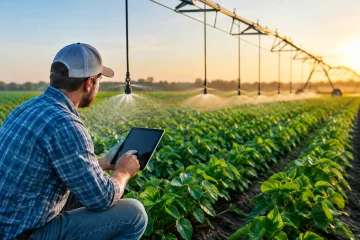
In irrigation, buyers usually compare technical compatibility, durability, and water-use efficiency. The key is to identify suppliers that match farm scale and system design, not just price. A low-cost component that fails under field conditions becomes expensive very quickly.
In fertilizers and crop nutrition, sourcing decisions often depend on formulation, regional suitability, bulk availability, and consistency across shipments. Buyers may also balance cost against reliability, especially when timing affects crop performance.
In seeds and horticulture, product discovery tends to be more specific because variety, climate fit, and crop objective matter immediately. Broad listings help, but buyers benefit most when product visibility is paired with supplier specialization.
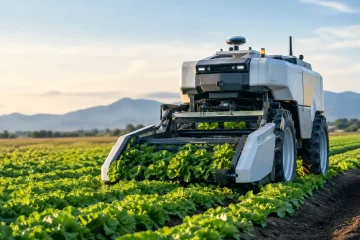
In machinery and equipment, the discovery process usually extends beyond the machine itself. Buyers often need parts, attachments, maintenance support, or training. The right supplier is not always the cheapest one. It is often the one that can support the equipment throughout its working life.
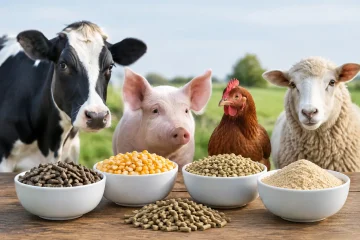
In livestock, the product range spans housing, feeding, watering, health, handling, and environmental systems. Here, practical fit matters more than catalog size. Buyers need solutions built for their operation type and production scale.
Why visibility matters for suppliers too
Global product discovery is not only a buyer issue. Suppliers also struggle to get seen by the right audience. Many agricultural businesses offer strong products but lose opportunities because their visibility is limited to local networks, trade fairs, or outdated company pages.
A specialized global directory changes that dynamic. It gives suppliers a place to present their products where buyers are already searching by agricultural need. Instead of waiting for referrals or cold outreach results, they can appear within the categories that matter to active buyers.
That creates better matching on both sides. Buyers waste less time sorting irrelevant vendors. Suppliers receive inquiries that are closer to their actual offering. For growing agricultural businesses, that is a practical route to market access.
Agricial is built around this model, helping agricultural professionals discover products, compare suppliers, and connect directly across core farm and agribusiness categories.
The trade-offs in global agricultural sourcing
More choice is not always simpler. Global discovery expands access, but it also increases the need for disciplined evaluation.
A wider supplier pool may improve pricing and product availability, yet it can lengthen decision time if the search is not structured. Buyers need to balance openness with focus. Too narrow, and they miss strong alternatives. Too broad, and they create procurement delays.
There is also the question of standardization versus specialization. Some operations need widely available products that can be sourced from multiple regions. Others need highly specific inputs or equipment where supplier expertise matters more than supplier volume. It depends on the product, the production system, and the cost of getting the decision wrong.
That is why discovery should not end at visibility. It should lead into comparison, direct inquiry, and commercial qualification.
A better way to move from search to action
The strongest sourcing workflows are simple. Buyers identify the category, review supplier profiles, compare relevant options, and send targeted quote requests. Suppliers present clear offerings, maintain credible business information, and respond to inquiries with enough detail to move the conversation forward.
This process sounds basic, but in agriculture, basic is valuable. When the market is organized around real categories and actual business needs, product discovery becomes faster and more commercially useful.
If you are trying to discover agricultural products worldwide, the goal is not to see everything. The goal is to find the right opportunities faster, with fewer blind spots and better supplier signals. In a sector where timing, trust, and fit directly affect margins, that kind of visibility is not just convenient. It is a business advantage.
The next good supplier, buyer, or product line is often already out there. The difference is whether you are searching in a place built for agriculture or wasting time in channels that were never designed for it.