How to Store Crop Chemicals Safely on the Farm
A leaking jug, a faded label, or a product placed beside the wrong material can turn a routine spray program into an expensive safety and compliance problem. Knowing how to store crop chemicals correctly protects workers, livestock, crops, water sources, and the value of your inventory. For commercial farms and agricultural businesses, chemical storage is not just a housekeeping task. It is a working part of risk management, purchasing control, and operational readiness.
The label and Safety Data Sheet for every product should always set the final rules. Requirements can also vary by state, county, insurer, and chemical class. Use the guidance below to build a dependable storage system, then confirm that your facility meets the rules that apply to your operation.
Start With the Right Chemical Storage Location
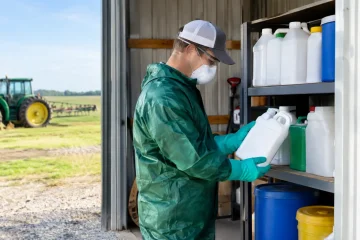
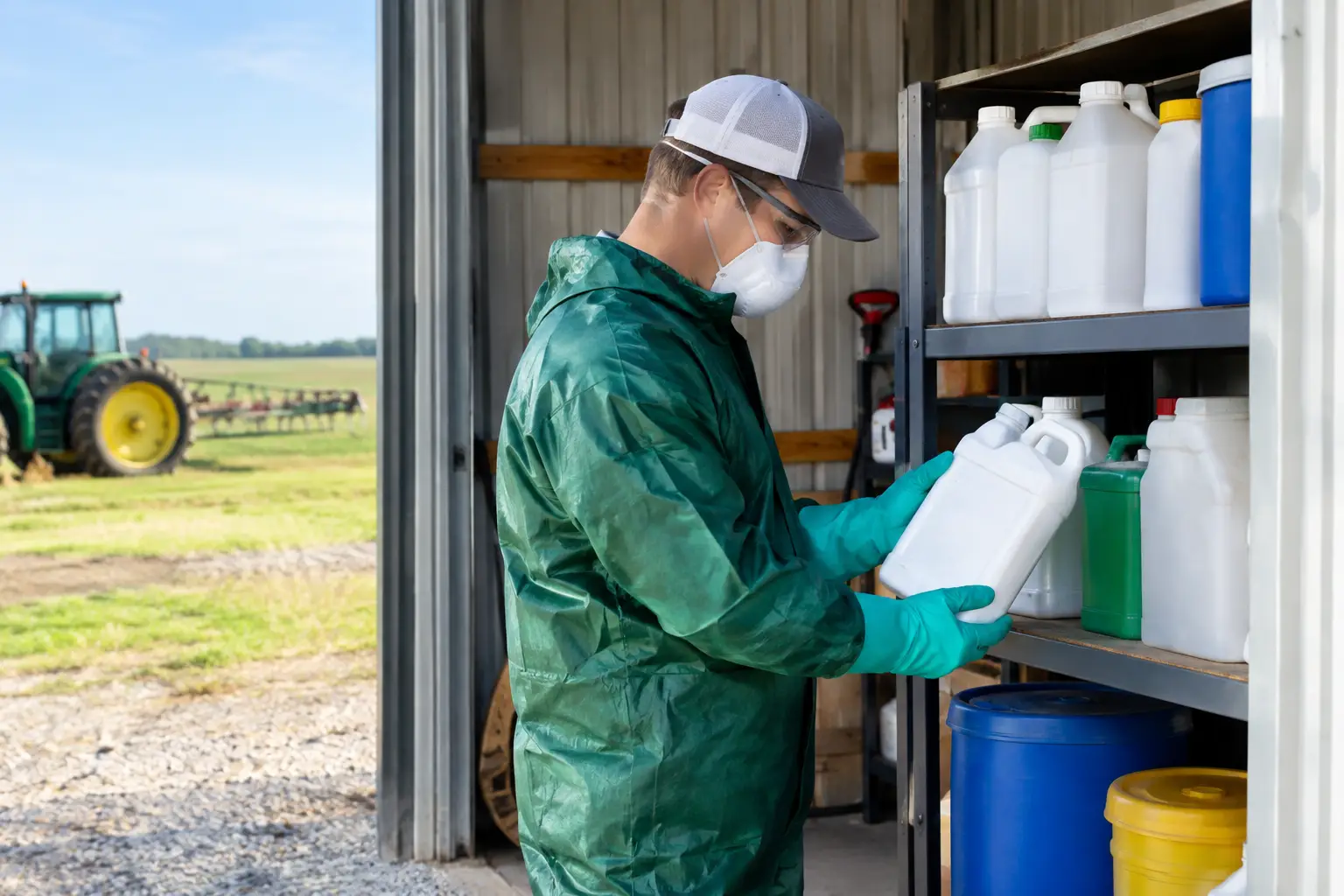
A crop chemical store should be a dedicated, controlled space – not a corner of a machinery shed, a general workshop, or a spare area in a livestock building. The best location reduces exposure if a container fails and makes it easy for trained staff to manage access.
Choose a site away from wells, drainage ditches, irrigation canals, ponds, food storage, feed, seed, fuel, and occupied buildings. A location outside a flood-prone area is essential. If runoff could reach surface water or a water supply, the site is not suitable, no matter how convenient it appears during the busy season.
The building or room should stay locked when unattended. Limit keys or access codes to trained employees and keep visitors, children, and unauthorized contractors out. Clear warning signs at each entry help establish that the area is restricted and that personal protective equipment may be required.
Build for Containment, Not Just Convenience
Chemical storage needs a nonporous floor that can contain spills and be cleaned without allowing residues to soak into the ground. Concrete is common, but it should be sealed where necessary to prevent absorption and simplify decontamination. Avoid floor drains that lead directly to septic systems, stormwater routes, or open ground.
Secondary containment is one of the most useful safeguards in the facility. Shelving trays, spill pallets, bunded floors, or other containment systems should be sized for the products stored and the applicable local requirements. The purpose is simple: if one container leaks, the chemical stays contained rather than spreading through the building or leaving the property.
Ventilation matters, particularly for volatile products. Good airflow lowers the buildup of fumes, but ventilation openings must not create an easy point of entry for pests, weather, or unauthorized people. Where flammable products are held, electrical equipment, lighting, and fire controls may need to meet specific safety standards.
How to Store Crop Chemicals by Product Type
Crop chemicals should never be organized only by container size or alphabetically. Compatibility is the deciding factor. Keep products in their original, labeled containers and separate materials that could react, contaminate one another, or intensify a fire.
| Product group | Main storage concern | Practical storage approach | |—|—|—| | Herbicides | Cross-contamination and leaks | Keep in a clearly designated zone and use containment trays. | | Insecticides | Worker exposure and security | Store in locked cabinets or restricted shelving with labels facing outward. | | Fungicides | Temperature damage and container integrity | Protect from extreme heat, freezing, and direct sunlight. | | Fertilizers and oxidizers | Fire or reaction risk | Keep separate from pesticides, fuels, organic materials, and incompatible products. | | Flammable solvents or adjuvants | Ignition and vapor buildup | Use approved flammable-liquid storage where required and keep away from ignition sources. |
Read the label and Safety Data Sheet before assigning a product to a shelf. Some products have specific instructions on temperature limits, stacking height, ventilation, or separation from other chemicals. When product guidance conflicts with a general storage practice, follow the product-specific direction.
Do not place dry products beneath liquids. A liquid leak can destroy bags, create contaminated dust, and make cleanup much harder. Heavy containers belong on lower shelves, while frequently used products should be positioned where employees can retrieve them without climbing or lifting overhead.
Keep herbicides away from seed, plant material, and spray additives that could be contaminated. Even trace herbicide residue can cause serious crop injury when the wrong product reaches a tank mix, greenhouse bench, or seed treatment area.
Control Temperature, Light, and Moisture
Extreme temperatures shorten shelf life and can change how products perform. Freezing may separate emulsions or crack containers. Excess heat can raise pressure inside containers, degrade active ingredients, and increase vapor hazards. Direct sunlight also damages labels, packaging, and certain formulations.
Many products perform best in a dry, shaded environment with moderate, stable temperatures. That does not mean every operation needs a climate-controlled warehouse. It does mean the store should be protected from repeated freeze-thaw cycles, summer heat buildup, roof leaks, and condensation.
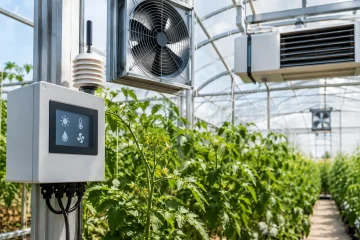
Monitor conditions with a basic thermometer and humidity gauge. For larger inventories, a recorded temperature log is useful for quality assurance and claims management. If a chemical has frozen, separated, overheated, or developed an unusual odor, do not assume it is usable. Isolate it, check the label and supplier guidance, and consult a qualified agronomist or manufacturer representative before use or disposal.
Keep Inventory Visible and Current
A chemical store works best when every container has a known purpose, location, and status. Overstocking creates unnecessary risk, ties up working capital, and increases the chance that products expire before they can be used. Purchase to match the season’s crop plan, anticipated pest pressure, and realistic application capacity.
Use a simple inventory record that includes the product name, active ingredient, quantity, purchase date, lot number when available, storage location, and expiration or use-by information. Update it when products arrive, are moved, or are used. This record helps managers reorder efficiently and helps emergency responders understand what is on site if an incident occurs.
Apply a first-in, first-out approach where label dates and product condition allow it. Check shelves regularly for damaged caps, swollen containers, crystallization, faded labels, pest damage, and small leaks. A weekly visual check during the active season is often more effective than an annual cleanup because problems are caught while they are still manageable.
Never use an unmarked container for crop chemicals. Do not transfer products into beverage bottles, food containers, or makeshift jugs. If a container is damaged, follow the product guidance for safe overpacking, transfer, or disposal. Preserve the original label whenever possible.
Prepare for Spills, Fire, and Worker Exposure
Even a well-managed facility needs a response plan. Store spill-response materials near the entrance so they are accessible without walking through a spill. Keep absorbent material, compatible waste containers, a shovel or scoop, heavy-duty bags, protective gloves, eye protection, and clear instructions available.
A practical emergency station should also include current Safety Data Sheets, emergency contact numbers, and a site map that identifies the chemical store, water sources, and access routes. Train workers on whom to call, how to isolate the area, and when not to attempt cleanup. A significant spill, unknown product, fire, or exposure requires professional emergency assistance.
For fire planning, coordinate with your local fire department before an emergency occurs. They should know the location of the store, the types of materials held, and the safest access point. Keep incompatible materials separated and maintain clear aisles so responders can move safely.
Make Training Part of Daily Operations
Training should cover more than the annual pesticide safety meeting. Employees who receive deliveries, pull products for spraying, clean spills, or manage inventory all need to understand the system. They should know that labels are legal use directions, not optional reading, and that reporting a damaged container early is a sign of good practice.
Short, task-based training is often the most effective. Show staff where products belong, how to inspect a container, how to read the inventory record, and which materials must never be stored together. Document the training and refresh it whenever a new product class, storage area, or employee is introduced.
Turn Chemical Storage Into a Stronger Buying Process
Storage decisions begin before a shipment arrives. When comparing suppliers, request complete product documentation, packaging details, transport requirements, and shelf-life information. For importers, distributors, and large farms, confirm that product labeling and packaging are appropriate for the destination market before inventory reaches the warehouse.
Reliable suppliers make chemical management easier because they provide traceable products, consistent documentation, and clear handling guidance. Agricial helps agricultural businesses find and compare specialized input suppliers, helping purchasing teams reduce search time while focusing on product fit, availability, and commercial reliability.
A clean, organized chemical store sends a clear message across the operation: inputs are treated as valuable assets, people are expected to work safely, and the farm is prepared to meet its commitments. Build that discipline before the next delivery arrives, and every spray decision starts from a safer, more controlled position.