When Should Livestock Be Vaccinated on Your Farm?
A vaccine delivered at the wrong time can leave a herd exposed when disease pressure rises. For producers asking when should livestock be vaccinated, the useful answer is not one calendar date. Vaccination timing depends on species, age, breeding and weaning schedules, local disease risks, handling capacity, and the specific product label.
For commercial farms, the goal is straightforward: build immunity before animals face the disease challenge, while avoiding unnecessary stress during critical production periods. A well-timed program protects animal health, supports performance, and can reduce costly disruptions in trade, transport, and daily operations.
When Should Livestock Be Vaccinated?
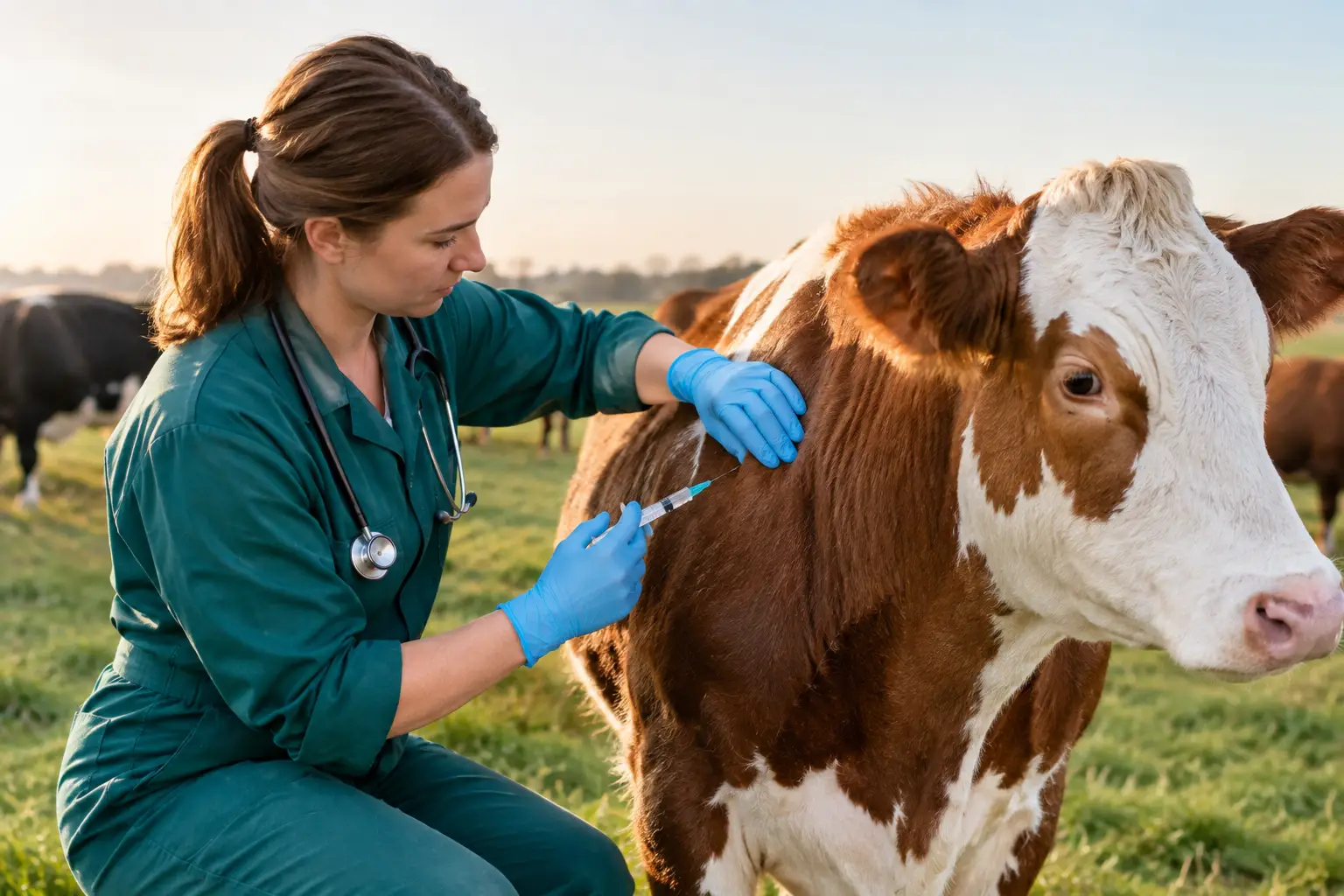
Livestock should generally be vaccinated before predictable exposure to disease, not after an outbreak begins. Many vaccines also require time for immunity to develop, often one to three weeks after the final dose. Products that require an initial dose and booster must be scheduled early enough for both doses to work.
For example, calves may need certain respiratory or clostridial vaccines before weaning, transport, commingling, or entry into a feedlot. Breeding animals may need reproductive vaccines before the breeding season. Pregnant females may receive selected vaccines before birth so protective antibodies can pass to offspring through colostrum.
The right schedule should be set with a veterinarian who understands the farm, the animals, and regional disease patterns. Vaccine labels and local regulations must always guide the final decision.
Start With the Production Calendar
A practical vaccine plan follows the farm’s production cycle. Start by mapping the events that increase disease exposure: calving or lambing, weaning, breeding, purchase of replacement animals, transport, shows, pasture changes, and seasonal housing.
Vaccinating during a quiet handling period is usually more efficient than gathering animals solely for injections. However, convenience should not override biology. A vaccine given on processing day may be too late if animals will be shipped the next morning.
Key Timing Windows for Different Classes of Animals
| Animal group | Common vaccination window | Why timing matters | Planning consideration | |—|—|—|—| | Newborns | As directed by a veterinarian and product label | Young animals may have limited immunity and variable colostrum intake | Maternal antibodies can affect response to some vaccines | | Growing animals | Before weaning, movement, or mixing groups | Stress and new disease exposure often occur together | Allow time for boosters before transport | | Breeding females | Before breeding or late gestation, depending on vaccine | Protects fertility, pregnancy, and in some cases newborns | Check pregnancy-use instructions carefully | | Breeding males | Before breeding season | Reduces the risk of health setbacks during high-value work periods | Schedule well before turnout or service | | Purchased livestock | Before entry when possible, or during a managed arrival program | New animals can introduce or encounter unfamiliar pathogens | Use isolation and observation alongside vaccination |
Species-Specific Vaccination Timing
Each livestock sector has different risk points. A cattle program should not simply be copied into a sheep, goat, swine, or poultry operation.
Beef and Dairy Cattle
For cattle, vaccine timing commonly centers on respiratory disease, clostridial disease, reproductive losses, and calf health. Calves are often vaccinated before stressful events such as weaning and sale. In cow-calf systems, this may mean beginning vaccinations several weeks before weaning so boosters can be completed before cattle leave the farm.
In dairy operations, the schedule may be more closely connected to the dry period, freshening, and calf management system. Some vaccines are used before calving to increase antibodies in colostrum, helping protect calves during their earliest weeks. The exact timing varies by product and the diseases present on the operation.
Sheep and Goats
Clostridial vaccination is a foundation of many sheep and goat health plans. Pregnant ewes and does are often vaccinated before kidding or lambing to support passive protection in newborns. Young animals commonly receive their own initial series later, followed by a booster.
Small ruminants can be especially vulnerable to management changes, internal parasite pressure, and rapid shifts in nutrition or weather. Vaccination is one part of prevention, not a replacement for clean facilities, sound nutrition, parasite control, and timely treatment of sick animals.
Swine
Swine vaccination schedules are typically designed around sow herd immunity, piglet protection, and the health risks associated with nursery and finishing phases. Sows may be vaccinated before breeding or before farrowing, while piglets may receive vaccines before movement or at defined production stages.
Because large swine systems often have tightly managed flow and high animal density, consistency matters as much as product selection. A missed booster or an improperly stored vaccine can affect an entire group.
Poultry
Poultry vaccination programs are highly structured and often begin at the hatchery. Timing may involve hatch-day vaccination, drinking-water vaccination, spray application, or later doses based on flock type and local disease risk.
Broilers, layers, breeders, backyard flocks, and turkeys do not face identical risks. Poultry businesses should work with an avian veterinarian and follow applicable state and federal requirements, especially where movement, exhibition, or commercial supply chains are involved.
Do Not Vaccinate Without Considering Stress
Vaccines are valuable tools, but animal condition affects response. Avoid routine vaccination of animals that are severely ill, dehydrated, overheated, or under intense stress unless a veterinarian recommends otherwise. Treating an active outbreak and vaccinating a healthy population are different management decisions.
Processing events often combine vaccination with tagging, dehorning, castration, sorting, and transport. Combining tasks can save labor, but too many stressors at once may compromise welfare and performance. Where possible, separate major procedures or provide adequate recovery time before shipping.
Weather also matters. Extreme heat, cold rain, mud, and poor handling conditions increase stress and make accurate administration harder. A workable plan includes a backup date rather than forcing processing under unsafe conditions.
Build a Vaccination Plan Around Disease Risk
The best program is risk-based, not product-based. A farm with no history of a disease, limited outside animal traffic, and a closed herd may need a different plan than a sale-barn buyer, grazing operation, feedlot, or export-focused breeder.
Assess these practical risk factors before selecting timing and products:
- Disease history on the farm and in neighboring operations
- Animal movement, including purchases, shows, sales, and transport
- Mixing of age groups or animals from different sources
- Seasonal exposure to insects, wildlife, mud, or shared water
- Reproductive goals and the value of breeding stock
- Buyer, processor, insurer, or export-market requirements
For importers, exporters, and distributors, vaccination records can also affect commercial confidence. Buyers may ask for documented herd health practices, while destination markets may require specific health certificates or disease-control measures. Vaccination does not automatically meet trade requirements, but clear records support smoother transactions and veterinary documentation.
Store and Administer Vaccines Correctly
Timing alone cannot compensate for poor vaccine handling. Most livestock vaccines require refrigeration within a specified temperature range. Freezing, overheating, leaving bottles in direct sunlight, or holding mixed products too long can reduce effectiveness.
Train staff to read the label before each processing event. Confirm the correct dose, route of administration, withdrawal information, age restrictions, booster requirements, and any instructions for use in pregnant animals. Use clean equipment, change needles regularly, and record the product name, serial number, date, dose, route, and animal group treated.
A simple record system creates operational value. It helps the farm identify missed boosters, evaluate disease events, respond to buyer questions, and plan inventory before the next handling date.
Common Timing Mistakes to Avoid
One common mistake is vaccinating immediately before sale or transport and expecting instant protection. Another is giving an initial dose but missing the required booster. Both can create a false sense of security.
Producers also run into trouble when they use a vaccine program designed for another region or production system. Disease threats differ by climate, animal density, vectors, wildlife contact, and local regulations. A low-cost product is not a good purchase if it does not address the operation’s real risk.
Finally, avoid treating vaccination as the entire health plan. Biosecurity, quarantine for new arrivals, nutrition, housing, sanitation, parasite management, and observation of daily health signs all determine how well a vaccination program performs.
Make Vaccination a Planned Business Decision
A vaccination schedule works best when it is reviewed before each production season, not during a disease emergency. Meet with a veterinarian, review last year’s treatments and losses, identify upcoming movement or breeding dates, and order products early from reliable suppliers.
For growing operations, consistent health protocols can protect more than livestock. They support predictable performance, stronger buyer relationships, and better readiness for new market opportunities. Build the schedule around the risks your animals will face next, then give immunity the time it needs to do its job.