Precision Farming Tools Review for Growers
Margins can disappear one input at a time. A field that gets too much nitrogen on one side and not enough on the other does not just lose yield – it loses profit, labor, and planning accuracy. That is why a precision farming tools review matters for growers, input suppliers, consultants, and agri-businesses making equipment decisions that affect every acre.
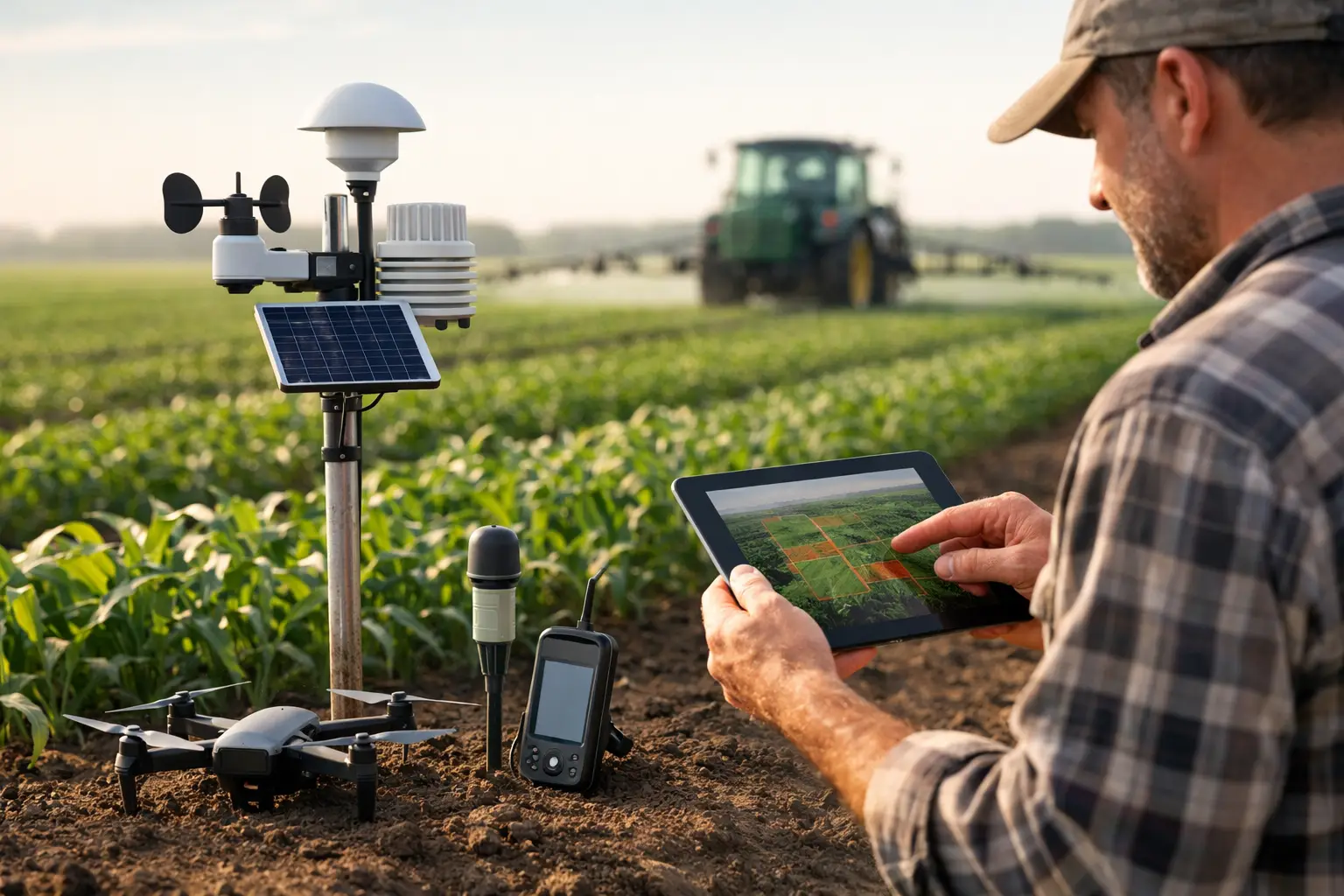
Precision farming is no longer a single product category. It is a working system made up of guidance hardware, field sensors, drone imaging, variable-rate equipment, and software that turns field data into action. The right setup can reduce overlap, improve input placement, and give farm managers clearer decisions. The wrong setup can create data clutter, compatibility issues, and expensive underuse.
Precision farming tools review: what buyers should compare first
Before comparing brands or specifications, start with the business case. Most buyers do not need the most advanced tool. They need the tool that solves a real field problem, fits existing equipment, and pays back within a reasonable time.
For most operations, the first comparison should focus on five factors: farm size, crop type, machinery compatibility, data usability, and support availability. A row crop business with modern tractors has different needs than a specialty crop grower managing irrigation blocks and labor-intensive scouting. Importers and distributors should also pay attention to serviceability, training demand, and replacement part availability across regions.
The main precision farming tool categories
The market is broad, but most purchasing decisions fall into a few core categories:
- GPS guidance and auto-steer systems
- Soil and crop sensors
- Drone and aerial imaging tools
- Variable-rate application controllers
- Farm management and analytics software
- Yield monitoring and mapping systems
Some farms start with auto-steer because the return is easy to measure through reduced overlap and fuel savings. Others begin with sensors or imagery because irrigation, fertility, or crop stress is the bigger problem.
Comparison table: core precision farming tools
| Tool category | Primary use | Best fit | Main advantage | Main limitation | Typical investment level |
|---|---|---|---|---|---|
| GPS guidance and auto-steer | Improve field accuracy and reduce overlap | Broadacre row crops, large-scale operations | Immediate fuel, labor, and input efficiency | Requires compatible machinery and training | Medium to high |
| Soil and crop sensors | Monitor moisture, EC, temperature, nutrient trends | Irrigated farms, specialty crops, field trials | Better input timing and field visibility | Data quality depends on placement and calibration | Low to medium |
| Drones and imaging | Detect stress, stand gaps, and variability | High-value crops, scouting-intensive farms | Fast visual insight across large areas | Image interpretation can be a bottleneck | Medium |
| Variable-rate technology | Apply seed, fertilizer, or chemicals by zone | Farms with field variability and reliable maps | Better input efficiency and targeted management | Needs clean data and compatible controllers | Medium to high |
| Farm management software | Organize records, maps, operations, and analysis | Multi-field, multi-team businesses | Centralized planning and reporting | Adoption depends on user discipline | Low to medium |
| Yield monitors and mapping | Measure performance by field zone | Grain and row crop operations | Links harvest results to decisions | Accuracy depends on calibration | Medium |
GPS and auto-steer: still the strongest starting point
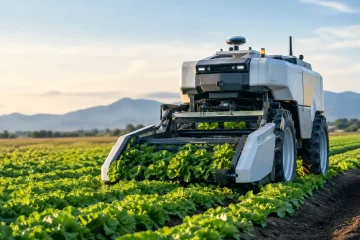
If a business is entering precision agriculture for the first time, GPS guidance often delivers the clearest operational return. It reduces skips and overlaps, improves line consistency, and lowers operator fatigue. On larger farms, those gains compound quickly across planting, spraying, and harvesting.
The trade-off is that not every system integrates smoothly with older tractors or mixed fleets. Buyers should verify receiver accuracy level, display compatibility, correction signal requirements, and dealer support before making a decision. A lower-cost assisted steering setup may be enough for spreading and tillage, while high-accuracy auto-steer is more important for strip-till, planting, and controlled traffic systems.
Best use cases for GPS systems
- Broadacre grain and oilseed farms
- Contractors managing multiple operators
- Farms aiming to reduce input overlap
- Businesses standardizing fleet efficiency
Sensors: high value when they answer a specific question
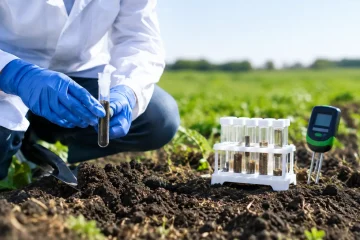
Sensors are attractive because they promise real-time field intelligence, but value comes only when the data leads to action. Soil moisture sensors can improve irrigation timing. Electrical conductivity mapping can help define management zones. Canopy and plant health sensors can support nitrogen decisions or early stress detection.
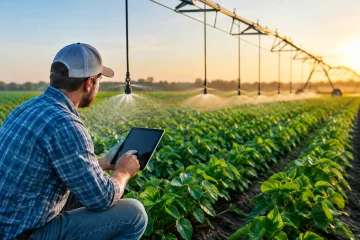
For irrigated operations, sensor tools often produce faster value than aerial imaging because they help manage water directly. For dryland growers, the return depends more on season variability, placement strategy, and whether the farm has enough field variation to justify sensor networks.
Pros and cons of sensor platforms
| Advantage | Limitation |
|---|---|
| Supports better timing of irrigation and inputs | Installation and calibration can be inconsistent |
| Helps build field-specific historical data | Poor placement can lead to misleading decisions |
| Useful for agronomists and consultants managing multiple blocks | Some systems create more data than busy teams can use |
Drones and imagery: strong for scouting, mixed for ROI
Drone platforms are valuable when visual assessment is difficult, acreage is spread out, or crop value justifies faster scouting. In specialty crops, drones can help identify irrigation issues, canopy variability, and damage patterns that are hard to see from the ground. In row crops, they are useful for stand counts, drainage checks, and stress mapping.
But drones are not automatic profit machines. Flights take time, regulations vary, batteries and weather can limit use, and image processing is only helpful if someone can interpret it correctly. Many businesses buy drone hardware and then underuse it because no one owns the workflow.
For that reason, some growers are better served by service providers rather than owning the equipment directly. That model can make more sense for seasonal imaging needs or for businesses testing the value of imagery before a larger investment.
Variable-rate technology: powerful, but only with clean data
Variable-rate application tools can be among the most profitable precision investments when fields have clear variability. Seed population changes, zone-based fertilizer rates, and targeted chemical applications can all improve margin per acre when prescriptions are based on reliable agronomic data.
The risk is simple: poor maps create poor applications. If yield data is weak, soil sampling is limited, or software layers do not align properly, variable-rate systems can add complexity without improving outcomes. Buyers should assess not just the controller itself, but also who will build prescriptions, validate results, and adjust them season to season.
When variable-rate tools make the most sense
- Fields with consistent productivity zones
- Operations with good harvest data and soil sampling history
- Input programs where overapplication is a major cost issue
- Farms working closely with agronomists or in-house data managers
Software platforms: the hidden decision-maker
Software is often treated as an add-on, but it determines whether precision tools work together or remain isolated purchases. A good platform should help teams store maps, compare field performance, track applications, and turn records into operational decisions.
Commercial buyers should look closely at data export formats, mobile usability, multilingual support, and whether the software can handle multiple farms, operators, or customer accounts. Importers and distributors should also consider training burden. A feature-rich platform is not automatically the best option if farm teams cannot adopt it quickly.
Precision farming tools review by buyer type
Different buyers should prioritize different metrics.
| Buyer type | Priority tools | Main buying focus |
|---|---|---|
| Row crop growers | GPS, yield monitors, variable-rate controllers | Acre efficiency, overlap reduction, machine compatibility |
| Specialty crop growers | Sensors, drones, irrigation-linked software | Water management, crop stress visibility, block-level decisions |
| Agronomists and consultants | Sensors, imagery, analytics software | Data quality, reporting, client scalability |
| Importers and distributors | Broad product mix with training support | Serviceability, supplier credibility, regional demand |
| Agricultural contractors | Auto-steer, fleet software, mapping tools | Operator consistency, uptime, job tracking |
What separates a smart purchase from an expensive experiment
Three questions usually expose whether a tool is commercially sound. First, what problem will it solve this season? Second, who will use it every week, not just during setup? Third, can it connect with the machinery, software, and reporting process already in place?
The best precision systems are often built in stages. A farm might begin with guidance, then add yield mapping, then layer in variable-rate applications once enough field history exists. That path usually creates stronger adoption than buying a full stack at once.
For suppliers and buyers working across markets, sourcing matters as much as specifications. Reliable comparison across categories, verified business visibility, and direct supplier contact can reduce procurement risk and speed up decision-making. That is where sector-focused marketplaces such as Agricial fit naturally into the buying process, especially for businesses comparing equipment and service partners across regions.
Final buying view
Precision tools work best when they are matched to a field problem, a business goal, and a team that can use them consistently. The smartest investment is rarely the most advanced option on paper. It is the one that saves time, improves decisions, and earns its place season after season.