Can Farmers Buy Wholesale Inputs and Save?
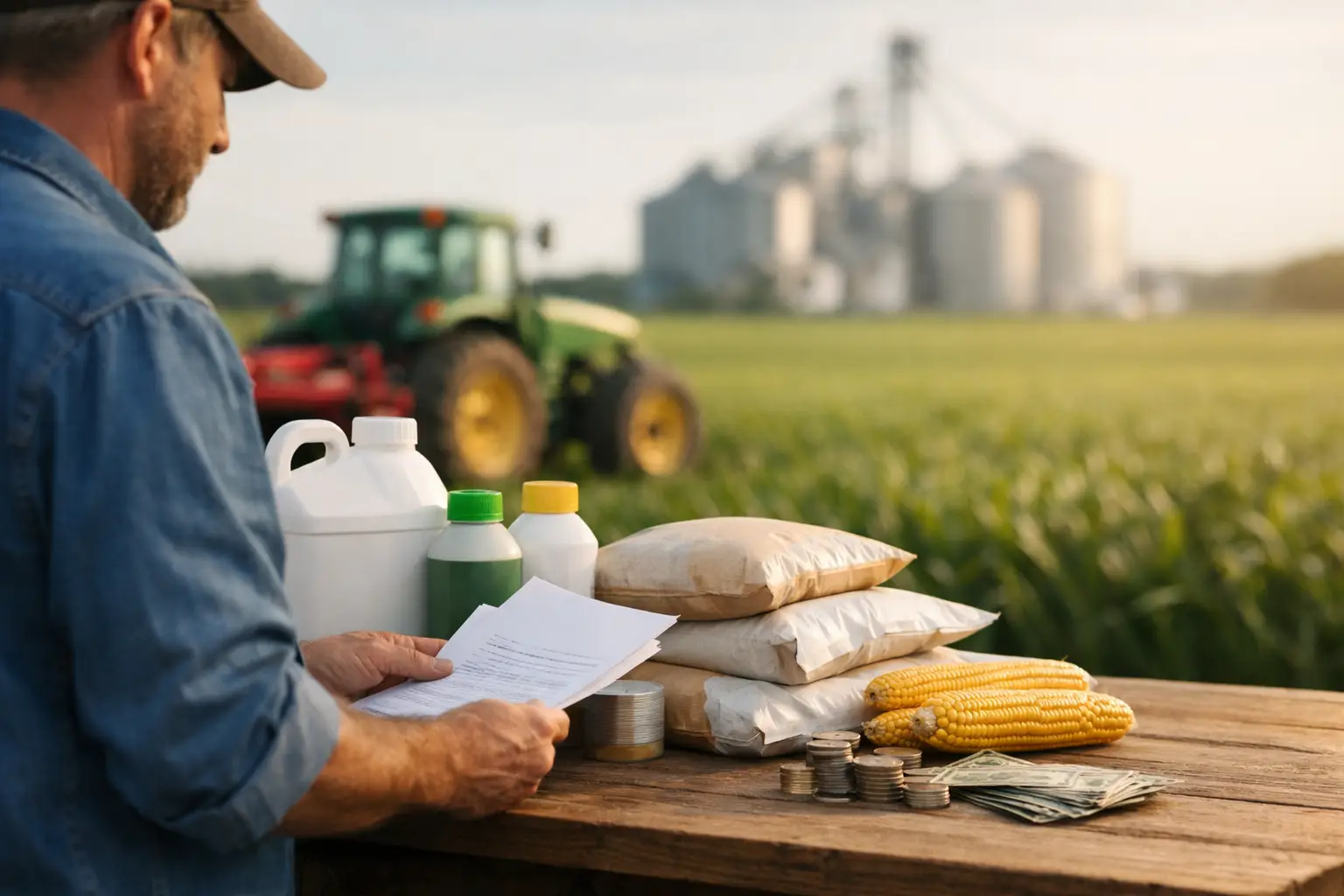
A fertilizer quote can look excellent until freight, storage, financing, and minimum-order requirements appear on the invoice. That is why the real question is not simply, can farmers buy wholesale inputs? In many cases, they can. The better question is whether wholesale purchasing fits the farm’s acreage, cash flow, storage capacity, and production plan.
Wholesale buying can reduce the per-unit cost of seed, fertilizer, crop protection products, irrigation parts, animal feed, and equipment consumables. It can also give farms earlier access to supply during tight seasons. But lower sticker prices do not automatically produce lower total costs. A commercially sound decision starts with the right supplier, a clear delivered-price comparison, and a purchase volume the operation can use safely.
Can Farmers Buy Wholesale Inputs Directly?
Yes. Farms of many sizes can purchase inputs at wholesale or trade pricing, either directly from manufacturers, through authorized distributors, farm cooperatives, buying groups, or specialized agricultural marketplaces. Eligibility depends on the supplier and the product category.
Some suppliers sell to any legitimate farm business that meets a minimum order value. Others only sell to licensed dealers, registered businesses, commercial growers, or customers with specific storage and handling capabilities. Regulated inputs, especially restricted-use pesticides and certain livestock products, may require applicator credentials, permits, or documented compliance before a sale can be completed.
A farm does not always need to be a large enterprise to access wholesale terms. Smaller operators may qualify by presenting a business registration, tax identification number, farm profile, crop plan, or projected annual purchase volume. In other situations, pooling orders with neighboring farms or joining a cooperative can create the volume needed for better pricing.
What Wholesale Means for Farm Inputs
Wholesale is not one fixed price tier. It usually refers to a commercial transaction in which the buyer purchases larger quantities, buys earlier in the season, accepts fewer retail services, or establishes an ongoing account relationship. The supplier gains predictable volume, while the farm receives a lower unit cost, priority availability, or both.
The buying channel matters as much as the quoted price.
| Buying channel | Best fit | Main advantage | Main trade-off | | — | — | — | — | | Local farm retailer | Small and mid-sized farms | Advice, convenience, smaller quantities | Higher per-unit pricing may apply | | Authorized distributor | Commercial farms and dealers | Broad brands, account pricing, logistics support | Minimum orders and credit checks are common | | Direct manufacturer | High-volume buyers | Potentially strong pricing and supply agreements | Larger commitments and less flexibility | | Cooperative or buying group | Farms seeking collective leverage | Shared volume and negotiated programs | Product selection or timing may be limited | | B2B agriculture marketplace | Buyers comparing regional or global suppliers | Faster supplier discovery and quote comparison | Buyer must verify terms, freight, and compliance |
For example, a grower buying a few bags of seed for a small acreage may find that a local retailer’s service and delivery make more financial sense. A larger operation planning seed, fertilizer, and irrigation purchases months ahead may gain more by requesting quotes from multiple trade suppliers.
Inputs That Often Make Sense to Buy Wholesale
The strongest wholesale opportunities are typically repeat-purchase products with predictable demand. These inputs are easier to forecast, store, and compare across suppliers.
- Fertilizers, soil amendments, and micronutrients
- Seed for row crops, forage, vegetables, and cover crops
- Irrigation pipe, fittings, filters, pumps, and drip components
- Crop protection products where licensing and regulations allow
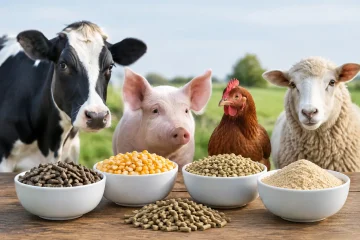
- Feed ingredients, minerals, bedding, and livestock supplies
- Greenhouse film, trays, growing media, and horticulture materials
- Machinery consumables such as filters, belts, bearings, and tires
Bulk purchasing is less attractive when product demand is uncertain, shelf life is short, formulations vary by field condition, or storage presents safety risks. Specialty biologicals, fresh inoculants, some chemicals, and certain seed treatments need particularly careful handling. A discount is not valuable if the product loses viability, expires before use, or does not match the season’s agronomic needs.
How to Qualify for Wholesale Farm Pricing
Suppliers want evidence that the buyer is a genuine commercial customer and can complete the transaction responsibly. The requirements vary, but preparation speeds up account approval and quote requests.
Build a clear farm buyer profile
Have basic business information ready: legal business name, farm address, tax ID or EIN where applicable, primary contact, acreage or herd size, crop categories, and expected purchase quantities. This information helps suppliers place the farm in the correct pricing tier and recommend appropriate pack sizes or delivery options.
For recurring purchases, it also helps to provide projected seasonal demand. A supplier may offer stronger terms when it understands the farm’s full annual requirement rather than a single urgent order.
Confirm licenses and product restrictions
Do not assume every agricultural input can be ordered across state lines or delivered without documentation. Pesticide regulations, fertilizer registrations, seed labeling rules, animal health requirements, and transport restrictions can affect availability. Ask suppliers whether they are authorized to sell the product in your location and what credentials they require from the buyer.
This step protects both sides of the transaction. It also prevents a delayed shipment from becoming an expensive planting or treatment interruption.
Understand minimums before comparing quotes
Wholesale suppliers may set minimums by dollar value, pallet count, truckload, case quantity, or annual volume. A low unit price on a full pallet does not beat a higher retail price if half the product sits unused for two years.
Ask for the minimum order quantity, the minimum reorder quantity, and whether different products can be combined to meet a threshold. Some distributors allow mixed pallets or consolidated shipments, which can make wholesale access more practical for diversified farms.
Compare Total Landed Cost, Not Just Unit Price
A useful quote comparison looks beyond the headline number. Total landed cost is the full amount required to place usable product on the farm, including freight, handling, taxes, packaging, payment terms, and any seasonal rebates.
| Cost factor | Question to ask | Why it affects the decision | | — | — | — | | Product price | Is this price per bag, gallon, ton, case, or pallet? | Unit labels can make quotes appear cheaper than they are | | Freight | Is delivery included, and is there a fuel surcharge? | Freight can erase savings on bulky or low-margin products | | Payment terms | Is there a cash discount, early-order program, or financing charge? | Credit costs affect the true purchase price | | Storage | Can the farm store the quantity safely and securely? | Extra storage or spoilage reduces the benefit of bulk buying | | Lead time | When will the product actually arrive? | Late inputs can cost more than a modest price difference | | Warranty and support | Who handles defects, returns, or technical questions? | Support matters for irrigation, equipment, and specialized inputs |
Request quotes in the same units and with the same delivery point. If one fertilizer quote is ex-warehouse and another is delivered to the farm, they are not comparable. If a seed quote includes treatment and another does not, the cheaper option may not be equivalent.
Reduce Risk When Buying from New Suppliers
Wholesale purchasing can widen a farm’s supply options, especially when local inventory is limited. It also requires disciplined supplier evaluation. Before placing a large first order, confirm the supplier’s business identity, product specifications, availability, delivery method, payment terms, and return policy.
For high-value purchases, begin with a smaller trial order where practical. Check lot numbers, packaging condition, labels, and documentation upon arrival. Keep written records of the quote, product specification, delivery commitment, and agreed payment terms.
Agricial can help agricultural buyers identify relevant suppliers across input categories and request comparable commercial information in one place. Still, every buyer should validate that a supplier can meet the farm’s exact location, regulatory, volume, and delivery requirements before committing funds.
When Wholesale Buying Is Not the Best Choice
Wholesale is a tool, not a rule. Retail purchasing can be the stronger choice when a farm needs immediate delivery, expert local advice, flexible quantities, field-specific recommendations, or a dependable return process. A trusted local dealer may also provide application support, emergency inventory, equipment service, or agronomic guidance that has real value during a critical production window.
The best approach is often blended. Use wholesale channels for planned, stable-volume inputs such as fertilizer, irrigation components, or feed. Keep local retail relationships for urgent needs, specialized advice, and products that cannot be stored or forecast confidently.
Before the next purchase cycle, build a simple input forecast, identify the products with dependable demand, and request comparable delivered quotes early. The farm that buys with clear specifications and realistic volume is in the best position to turn wholesale access into lasting operating savings.