
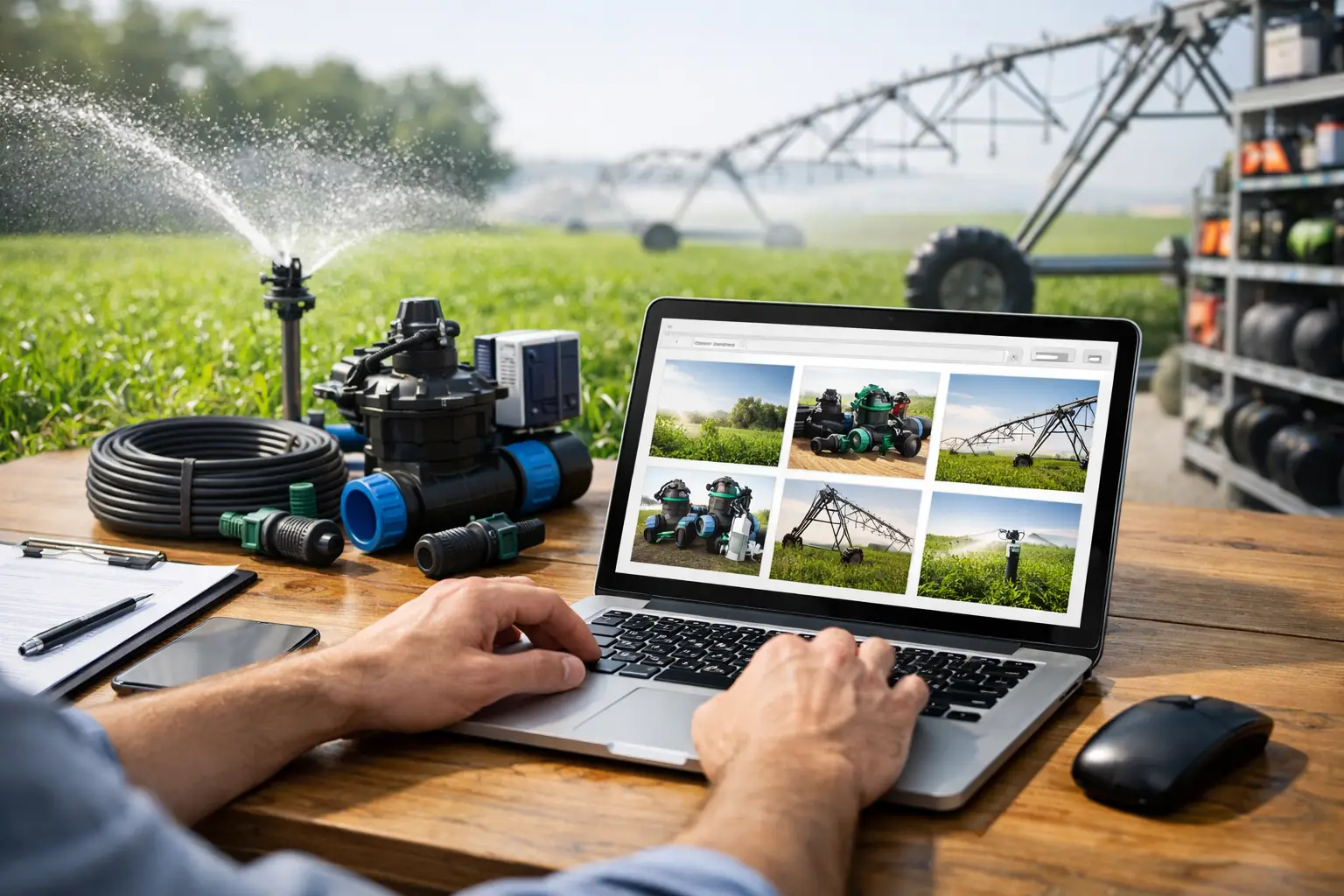
Browse Irrigation Equipment Suppliers Smarter
A missed planting window can turn a simple irrigation purchase into an expensive delay. When you browse irrigation equipment suppliers, you are not just comparing products – you are protecting uptime, water efficiency, crop performance, and capital.
The challenge is that irrigation sourcing rarely comes down to one item. A grower may need filters, valves, drip lines, pumps, fittings, sprinklers, controllers, or complete system support. An importer may be looking for export-ready manufacturers. A contractor may need dependable lead times and technical consistency across multiple projects. That is why supplier discovery matters as much as product discovery.
Why browsing irrigation equipment suppliers is a business decision
Irrigation equipment affects more than field operations. It shapes labor demands, maintenance schedules, energy use, and the long-term reliability of a farm or project. Choosing the wrong supplier can create hidden costs even when the quoted price looks attractive.
A low-cost drip line with inconsistent wall thickness may fail earlier than expected. A pump supplier with limited after-sales support may leave a buyer waiting during peak irrigation periods. A sprinkler system that is technically sound but poorly matched to local water pressure can underperform from day one. Browsing suppliers carefully helps reduce these risks before they become operational problems.
For commercial buyers, the real goal is not only to find available stock. It is to identify suppliers who can meet the specific demands of acreage, crop type, terrain, climate, water source, and budget. That requires better filtering, clearer comparisons, and stronger confidence in who you are buying from.
What to look for when you browse irrigation equipment suppliers
Start with category fit. Some suppliers specialize in micro irrigation, while others focus on large-scale sprinklers, pivot components, pumping systems, greenhouse irrigation, or water control technology. A supplier with a broad catalog is not always the best choice if your operation requires deeper technical specialization.
Product range is the next practical filter. If you need a full irrigation package, working with a supplier that can provide complementary components may simplify procurement and compatibility. If you only need replacement parts, speed and availability may matter more than catalog depth. The right supplier profile depends on the purchase context.
Geographic reach also matters. International sourcing can widen options and improve pricing, but it may introduce longer lead times, shipping complexity, customs issues, or regional certification differences. Local or regional suppliers may offer faster delivery and easier communication, though not always the lowest unit price. This is where trade-offs become real. The cheapest quote on paper is not always the most efficient commercial decision.
Technical support is another factor buyers often undervalue until a problem appears. Irrigation systems interact with pressure, flow rate, filtration quality, soil conditions, and crop layout. A supplier that can explain specifications clearly and help confirm fit can prevent ordering errors. That support becomes even more valuable for new installations, system upgrades, and cross-border transactions.
Compare more than price
Price gets attention first, but irrigation sourcing should be evaluated on total value. That includes durability, warranty terms, spare parts access, production consistency, packaging quality, and responsiveness. A supplier that answers quickly, provides complete product details, and communicates clearly during the quotation stage is often showing you what the working relationship will look like later.
It also helps to compare products within the same use case instead of across broad categories. A sand media filter should be assessed against similar filtration solutions. A low-pressure drip tape should be compared with other options designed for similar field conditions. Broad comparisons can create confusion because technical suitability varies so much across irrigation systems.
When possible, ask practical questions that connect directly to your application. How does this product perform under high sediment conditions? What pressure range is recommended? Are replacement parts standardized? Is installation guidance available? Good suppliers can answer these without resorting to vague claims.
How digital sourcing makes supplier discovery faster
Traditional sourcing methods still work, but they are slow. Trade shows, referrals, phone calls, and fragmented web searches can take days or weeks before a buyer gets a usable shortlist. For growing businesses, that search friction adds real cost.
A structured agricultural marketplace changes the process. Instead of searching the internet one company at a time, buyers can browse irrigation equipment suppliers in one place, compare categories, review business profiles, and identify potential matches faster. That speed matters when crops, seasons, and project schedules are driving the timeline.
The best directories do more than display names. They help users sort suppliers by product focus, market relevance, and commercial credibility. They also support direct inquiry, which shortens the path between browsing and quote requests. For buyers managing multiple procurement priorities, that kind of efficiency has immediate value.
Browse irrigation equipment suppliers with clearer priorities
The strongest sourcing decisions usually come from clear internal requirements before outreach begins. If your team knows the operating pressure, acreage, crop layout, water quality, and target budget, supplier screening becomes more precise. If those details are unclear, even strong suppliers may provide quotes that do not solve the real need.
It helps to define whether you are sourcing for replacement, expansion, or a new build. Replacement purchases often prioritize compatibility and lead time. Expansion projects may require scalable supply and matched system components. New installations usually need the highest level of technical coordination. The more specific the use case, the easier it becomes to separate a suitable supplier from a generic one.
This is also where commercial buyers should think about relationship value. Some suppliers are ideal for spot purchases. Others are better suited for ongoing procurement, dealer partnerships, or export distribution. A marketplace built around agriculture makes it easier to identify both types, which supports short-term needs without losing sight of long-term growth.
Red flags worth catching early
Not every supplier profile deserves equal time. If product details are vague, response times are slow, or claims are difficult to verify, proceed carefully. The same applies when a supplier offers little information about manufacturing capability, delivery capacity, or the technical specifications behind its products.
Another red flag is poor alignment between what is advertised and what is actually available. This can happen when listings are outdated or overly broad. Buyers should confirm stock status, minimum order quantities, and shipping terms early in the conversation. It saves time and prevents late-stage surprises.
Communication quality matters more than many buyers expect. Clear, direct answers often signal operational discipline. Inconsistent replies, missing documents, or shifting terms can indicate future friction. That does not always mean the supplier is unreliable, but it does mean the buying process may require more management than planned.
Why supplier visibility benefits sellers too
Supplier discovery is not only a buyer problem. For irrigation manufacturers, distributors, and service providers, visibility in a focused agricultural marketplace can create better inbound opportunities. Instead of waiting for random traffic, suppliers can position their products where active agricultural buyers are already searching.
That matters in a category as practical and specification-driven as irrigation. Buyers are not browsing for entertainment. They are looking for pumps, nozzles, drip systems, valves, controllers, and support that can move a project forward. When supplier profiles are organized around real agricultural needs, discovery becomes more qualified and more commercially useful.
This is one reason sector-specific platforms like Agricial have an advantage over general directories. They bring together buyers and sellers who already share the same operating context, from farm-scale irrigation needs to international supply partnerships. That focus reduces noise and improves matching.
Better sourcing starts with better browsing
Strong irrigation procurement rarely begins with a perfect quote. It begins with better visibility into the supplier landscape. When buyers can compare relevant suppliers, review product categories, and assess fit with confidence, they make faster decisions with fewer costly mistakes.
Whether you manage a farm, supply an agricultural project, import equipment, or build irrigation systems for clients, the goal is the same. Find suppliers that match your technical needs, commercial expectations, and delivery reality. The better your browsing process, the stronger your sourcing outcome.
A good supplier search should leave you with more than a list of names. It should give you a clearer path to the right conversation, the right quote, and a better chance of keeping water moving when it matters most.