The Future of Agri Supplier Networks in Trade
A delayed shipment of drip tape, an unverified fertilizer specification, or a spare-part supplier that stops responding can disrupt an entire growing season. For agricultural businesses, the future of agri supplier networks is not simply about putting more companies online. It is about creating faster, more credible ways to find the right partners, compare offers, manage risk, and keep essential products moving across borders.
Agriculture has always depended on relationships. What is changing is the scale and speed at which those relationships are formed. A grower may need a pump from one country, seed treatment from another, and an agronomist with regional crop knowledge. An exporter may need qualified distributors before entering a new market. Digital supplier networks are becoming the commercial infrastructure that makes those connections practical.
Why Traditional Agricultural Sourcing Is Under Pressure
Many agricultural supply chains still rely on trade shows, personal referrals, local agents, catalogs, and long-standing dealer relationships. These channels remain valuable, especially where technical support and local service matter. But they can limit choice, make price comparisons difficult, and slow down sourcing when conditions change.
Weather volatility adds urgency. A drought can increase demand for irrigation equipment, while pest pressure can shift demand toward specific crop protection solutions within weeks. Freight disruption, currency movement, changing import requirements, and input shortages create similar pressure. Buyers need alternatives quickly, while suppliers need a dependable way to show capacity and reach new markets.
The most effective networks will not replace trusted local relationships. They will extend them. A farm may continue buying routine inputs from its local dealer while using a digital network to identify new machinery vendors, compare irrigation technologies, source specialty products, or find a consultant for a high-value project.
The Future of Agri Supplier Networks: Five Market Shifts
The next generation of agricultural supplier networks will be shaped by commercial usefulness, not by technology for its own sake. The platforms that earn repeat use will help businesses make better decisions with less time and uncertainty.
1. Search will become more specific to agricultural needs
Generic directories can return thousands of results without answering the questions that matter: Does this company supply greenhouse irrigation? Can it export to my market? Does it serve livestock operations? Does it offer installation, spare parts, or technical advice?
Agriculture-focused networks will organize discovery around practical categories, applications, crops, production systems, and service capabilities. This creates a clearer path from a buyer’s need to a relevant supplier profile. For suppliers, category-based visibility means inquiries are more likely to come from buyers who understand the product and have a genuine requirement.
2. Verification will move from a nice feature to a buying requirement
Cross-border purchasing involves real exposure. Buyers may be committing funds before inspecting a product in person, while suppliers must assess whether an inquiry represents a serious commercial opportunity. Basic company details alone are no longer enough.
Stronger supplier networks will make professional identity easier to evaluate through complete business profiles, operating locations, product specialization, certifications where applicable, response history, and clear contact information. Verification does not eliminate due diligence. Buyers should still request product specifications, confirm regulatory requirements, review payment terms, and inspect samples when the transaction warrants it. It does, however, reduce the time spent sorting through low-quality leads.
3. Quote requests will become a structured procurement tool
Email remains useful, but unstructured inquiries often produce incomplete quotes that cannot be compared. A buyer asking for “irrigation equipment” may receive offers based on different flow rates, materials, pressure ratings, warranty terms, and shipping assumptions.
The better model is a quote request that captures the commercial details at the beginning: product type, quantity, target application, destination, preferred delivery period, and required documentation. Suppliers can respond with more accurate offers, and buyers can compare like with like.
| Procurement approach | Common outcome | Better use case | |—|—|—| | Open-ended email inquiry | Fast to send, but quotes vary widely | Early market research | | Distributor-only sourcing | Strong local support, limited market visibility | Routine purchases and urgent service | | Structured digital quote request | Comparable offers and wider supplier access | Projects, imports, and competitive sourcing | | Direct relationship purchasing | Efficient after trust is established | Repeat orders and long-term supply agreements |
No single approach is best in every situation. A breakdown during harvest may require the nearest authorized dealer, regardless of price. A new greenhouse build or multi-season fertilizer contract usually benefits from broader comparison and documented requirements.
4. Supplier profiles will become commercial storefronts
A supplier listing is evolving beyond a name and phone number. It is becoming a working sales asset: a place to explain product lines, agricultural applications, export markets, production capability, certifications, and service strengths.
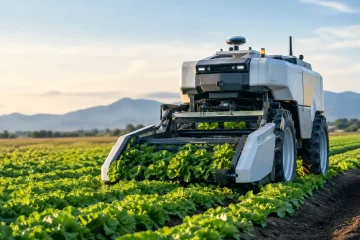
For machinery vendors, this may mean showing compatible farm sizes, available attachments, and spare-parts support. For seed, fertilizer, or biological-input suppliers, it may mean making formulation details, crop suitability, packaging formats, and storage requirements easier to locate. For consultants and agricultural engineers, it may mean clearly defining services such as irrigation design, soil analysis, farm planning, or compliance support.
The commercial advantage is simple: a buyer who understands what a business offers before making contact is more likely to send a relevant inquiry. Suppliers gain better lead quality, not merely more exposure.
5. Networks will support resilience, not just transactions
Supply resilience depends on knowing where alternatives exist before an emergency occurs. A buyer that has already identified secondary vendors, regional distributors, and equivalent product options can respond more effectively to disruption.
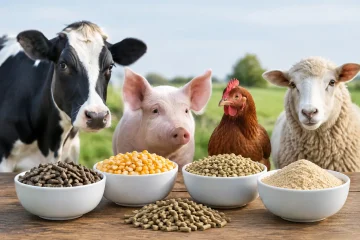
This does not always mean switching suppliers. In many cases, it means negotiating from a stronger position or creating a contingency plan. For example, a produce exporter may keep approved packaging suppliers in two regions. A livestock operation may identify alternative feed ingredient sources before a price shock. An irrigation contractor may maintain relationships with several pump, filtration, and pipe suppliers to protect project schedules.
What Buyers Should Look for in a Supplier Network
The best network is not necessarily the one with the largest number of listings. It is the one that makes relevant suppliers easier to assess and easier to contact.
Buyers should prioritize platforms that provide clear agricultural categories, searchable company information, meaningful product descriptions, and direct inquiry or quote-request options. The ability to compare suppliers across regions is useful, but only when profiles contain enough detail to support an informed first conversation.
Before selecting a new supplier, confirm the fundamentals:
- Product specifications, compatibility, and performance requirements
- Minimum order quantities, production lead times, and available inventory
- Shipping terms, destination responsibilities, and expected delivery windows
- Certifications, registrations, and import requirements for the destination market
- Warranty, technical support, training, installation, and spare-parts availability
The right questions depend on the purchase. A commodity input order requires different checks than a precision agriculture system. Higher-value or technically complex purchases deserve a more detailed supplier review and a documented scope of work.
How Suppliers Can Compete in the New Network Economy
Digital visibility is no longer optional for suppliers that want to grow beyond a narrow geographic area. Yet visibility alone does not generate dependable business. A profile must answer a buyer’s immediate questions and make it easy to take the next step.
Start with accuracy. Use product names buyers actually search for, identify agricultural applications, state the regions served, and keep contact details current. Add the details that reduce uncertainty: technical capabilities, packaging, production capacity, delivery options, and after-sales support. Avoid broad claims that cannot be substantiated.
Speed matters too. A late response can send a buyer to the next supplier, particularly when a project deadline or planting window is involved. Establish a process for responding to quote requests, qualifying opportunities, and following up with useful information rather than a generic sales message.
Suppliers should also measure inquiry quality, not just inquiry volume. Useful indicators include response time, quote-to-order rate, average order potential, repeat inquiries, and the markets generating the strongest demand. These signals help businesses improve their listings and focus sales effort where it can produce sustainable growth.
The Role of Specialized Agricultural Marketplaces
Agriculture is too diverse for a one-size-fits-all business directory. The purchasing journey for dairy equipment differs from the journey for horticulture supplies, grain handling systems, agricultural drones, or soil consulting. A specialized marketplace can reflect these differences through relevant categories and commercially useful discovery tools.
Agricial supports this model by bringing agricultural suppliers, buyers, exporters, importers, and service providers into one sector-focused environment. For a buyer, that means less time searching across unrelated channels. For a supplier, it creates a clearer route to industry-specific visibility and direct commercial inquiries.
The opportunity is especially significant for small and mid-sized agricultural businesses. Many have competitive products and strong local expertise but limited international sales reach. A credible digital presence can put those capabilities in front of buyers who would not otherwise know the business exists.
Trust Will Still Be Built Person to Person
Technology can organize information, accelerate discovery, and make quote comparison easier. It cannot replace sound judgment. Agricultural transactions still depend on clear specifications, realistic delivery commitments, transparent terms, and people who follow through.
The future belongs to supplier networks that combine digital speed with commercial accountability. Buyers will have more options, but they will reward suppliers that are clear, responsive, and reliable. Suppliers will reach more markets, but they will need to present their businesses with the detail and professionalism serious buyers expect.
For agricultural businesses, the practical next step is to build a wider view of the market before the next urgent need arrives. The strongest supplier network is not the one you search in a crisis. It is the one you develop early, test carefully, and use to keep opportunity moving when conditions change.