What Is a Farm Sourcing Platform for Buyers?
A failed pump during irrigation season, an unavailable fertilizer grade, or a delayed spare part can quickly turn a routine purchase into an expensive operational problem. So, what is a farm sourcing platform? It is a specialized digital marketplace that helps agricultural buyers find, compare, and contact suppliers of farm inputs, equipment, services, and products in one place.
For farms, importers, distributors, exporters, and agribusinesses, the value is not simply having more suppliers to browse. It is having a faster, more organized way to identify relevant businesses, evaluate options, request quotes, and start commercial conversations with greater confidence.
What Is a Farm Sourcing Platform?
A farm sourcing platform is an online business environment built around agricultural purchasing and supplier discovery. Unlike a general online directory, it organizes listings, products, and service providers according to the way agriculture operates: by crop needs, livestock systems, machinery requirements, input categories, seasonal timing, and regional supply availability.
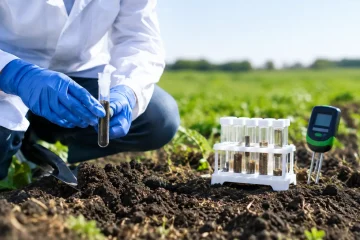
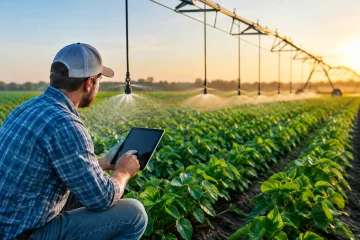
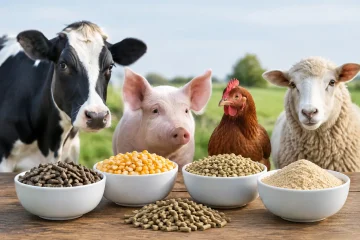
A buyer may use the platform to source drip irrigation components, greenhouse film, animal feed, tractors, seeds, crop protection products, soil analysis, cold-storage equipment, or an agronomy consultant. A supplier can use it to present its business profile, product range, markets served, and contact details to buyers actively looking for agricultural solutions.
The platform acts as a commercial connector. It reduces the time spent searching across disconnected websites, trade contacts, local directories, and informal referrals. Rather than replacing due diligence, it gives buyers a more efficient starting point for it.
The Core Functions of a Farm Sourcing Platform
Most effective platforms combine several practical tools that support agricultural trade:
- Searchable supplier and company listings by product category, service, or market
- Product discovery for inputs, machinery, livestock solutions, horticulture, and AgriTech
- Supplier profiles that show business capabilities and commercial focus
- Quote request tools that allow buyers to explain specifications and receive responses
- Category browsing that helps users compare alternatives when they do not know every supplier by name
- Direct contact options for starting buyer-seller discussions
These functions matter because agricultural sourcing is rarely a simple catalog purchase. Buyers often need to confirm technical specifications, order quantities, delivery locations, certifications, compatibility, minimum order requirements, and lead times before they can make a sound decision.
Why Agricultural Businesses Use Sourcing Platforms
Agriculture depends on reliable timing. A buyer can postpone office furniture or packaging materials with limited consequences, but delaying seed, feed, irrigation equipment, or a replacement machine part may affect an entire production cycle.
A farm sourcing platform helps commercial buyers move from a broad need to a shortlist of potential suppliers more quickly. It is especially useful when a business is entering a new region, looking for an alternative supplier, expanding a product range, or dealing with a supply disruption.
Faster Discovery Across Agricultural Categories
Agricultural supply chains are fragmented. One buyer may need fertilizer from one company, filtration equipment from another, a machinery dealer nearby, and a specialist consultant for water management. Finding each business independently consumes time and can limit the buyer to familiar contacts.
A category-based platform brings related providers into a single searchable environment. Instead of starting every search from zero, buyers can review businesses already positioned around their agricultural need.
Better Quote Comparisons
Price is only one part of a viable agricultural purchase. A lower unit price may be less attractive if the supplier has a long lead time, requires a large minimum order, cannot support installation, or does not offer the required technical documentation.
Requesting quotes through a dedicated platform makes it easier to compare responses against the same requirement. Buyers can state the product specification, expected volume, destination, and delivery window, then evaluate offers on a more consistent basis.
Wider Market Access for Suppliers
For suppliers, a farm sourcing platform is a lead-generation channel. It gives manufacturers, distributors, exporters, consultants, and service providers exposure beyond their immediate network or local market.
This can be particularly valuable for specialized businesses. A company supplying greenhouse automation, livestock handling systems, precision irrigation, or biological crop inputs may serve a narrow but global audience. A focused agriculture platform puts that company in front of buyers who are already searching within the right category.
Farm Sourcing Platform vs. Other Buying Methods
A sourcing platform does not eliminate the role of trade shows, local dealers, procurement teams, or established supplier relationships. It supports them by improving discovery and giving buyers more options when they need them.
| Buying Method | Best For | Main Advantage | Main Limitation | |—|—|—|—| | Local dealer network | Urgent purchases and local support | Familiarity and fast service | Limited supplier choice | | Trade shows | Relationship building and product research | Hands-on product evaluation | Time-intensive and event-dependent | | General business directory | Broad company research | Large business database | Limited agricultural context | | Farm sourcing platform | Agricultural supplier discovery and quote requests | Category-specific search and direct commercial access | Buyers still need to verify final fit | | Full procurement software | Managing internal purchasing workflows | Approval controls and purchase tracking | Usually does not create new supplier connections |
The distinction is useful. Procurement software helps a company control what happens after it has identified a vendor. A farm sourcing platform helps it find potential vendors in the first place. Larger agribusinesses may use both, while smaller farms and distributors may rely on a sourcing platform as a practical alternative to a complex procurement system.
How the Sourcing Process Works
The process usually begins with a clear purchasing need. The more precise the requirement, the more useful the supplier search and quote request will be.
1. Define the Requirement
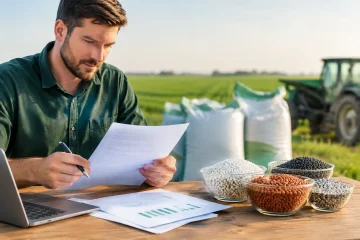
Before contacting suppliers, identify the essential details: product type, technical specification, quantity, target price range if appropriate, delivery destination, and required delivery date. For machinery and irrigation products, include compatibility requirements, power source, capacity, dimensions, or pressure ratings. For crop inputs, clarify crop use, formulation, packaging, and regulatory expectations.
A vague request such as “need irrigation supplies” may attract broad responses. A request for “2-inch disc filters for a 40-acre drip irrigation system, with delivery to Texas” gives suppliers a real basis for responding.
2. Search by Category and Capability
Buyers can then search relevant product categories and review supplier profiles. Look beyond the product name. Consider the supplier’s location, markets served, product focus, years of operation, available documentation, and ability to serve the required order size.
For international sourcing, confirm whether the supplier has export experience and can support the shipping terms, customs documentation, labeling, and compliance needs of the destination market.
3. Send a Structured Quote Request
A good quote request saves time on both sides. It should include a clear description of the requirement and ask suppliers to confirm price, minimum order quantity, available inventory, production or dispatch lead time, warranty where relevant, and delivery terms.
Buyers should avoid sharing sensitive commercial information too early. The goal of an initial request is to establish capability and obtain comparable offers, not to disclose every detail of a procurement strategy.
4. Evaluate the Supplier, Not Just the Quote
The cheapest quote is not automatically the best commercial decision. Evaluate whether the supplier communicates clearly, understands the application, and can meet the operational requirements behind the order.
For higher-value purchases, request references, technical documents, product samples, certificates, photos or videos of facilities, and a video meeting. Confirm payment terms, return policies, spare-parts availability, after-sales support, and any quality assurance process before committing.
Key Benefits for Different Agricultural Buyers
A farm sourcing platform serves different users in different ways. A grower may need a reliable local source of irrigation or crop inputs. An importer may need new manufacturers with export capacity. A distributor may be searching for product lines that fill a gap in its portfolio.
For farmers and farm managers, the benefit is practical purchasing efficiency. They can identify suppliers for recurring inputs, replacement equipment, and specialist services without relying solely on nearby options.
For importers and exporters, the platform can expand international visibility and support partner discovery across regions. It helps buyers find suppliers that may be open to distribution discussions, bulk orders, or long-term commercial arrangements.
For machinery vendors, consultants, and agricultural service providers, visibility is often the main opportunity. A clear profile enables prospective buyers to find the business when they are searching by application, category, or expertise rather than by company name.
Agricial is designed around this category-specific approach, connecting agricultural businesses across equipment, inputs, livestock, horticulture, services, and AgriTech in a single commercial directory and marketplace.
What a Farm Sourcing Platform Cannot Do for You
A platform can make supplier discovery faster, but it cannot guarantee that every transaction will be right for your operation. Verification remains essential, particularly for large orders, cross-border purchases, regulated inputs, and machinery that requires installation or service support.
Buyers should independently confirm product claims, certifications, business registration where relevant, delivery capacity, and final contractual terms. They should also account for freight, currency exposure, duties, local regulations, and the cost of downtime if a product fails.
There is also a trade-off between choice and speed. A broad search may produce many possible suppliers, while a highly specific request may produce fewer but more relevant responses. The right approach depends on whether the priority is finding a new long-term partner, obtaining an urgent replacement, or comparing market pricing.
Choosing the Right Platform for Your Business
Look for an agriculture-focused platform that organizes suppliers around real farm and agribusiness categories rather than generic industry labels. Clear business profiles, accessible contact tools, product discovery, and quote-request functionality are useful signs that the platform supports actual commercial activity.
Also consider the quality of the information available. A platform should help you understand what a supplier offers before you make contact. Businesses with specific product coverage, market information, and professional profiles are easier to assess than incomplete listings with little commercial context.
The best sourcing decision starts before the quote arrives. When you can clearly define the need, find relevant agricultural suppliers, and ask the right commercial questions, you create more options for the season ahead and stronger opportunities for the business behind it.