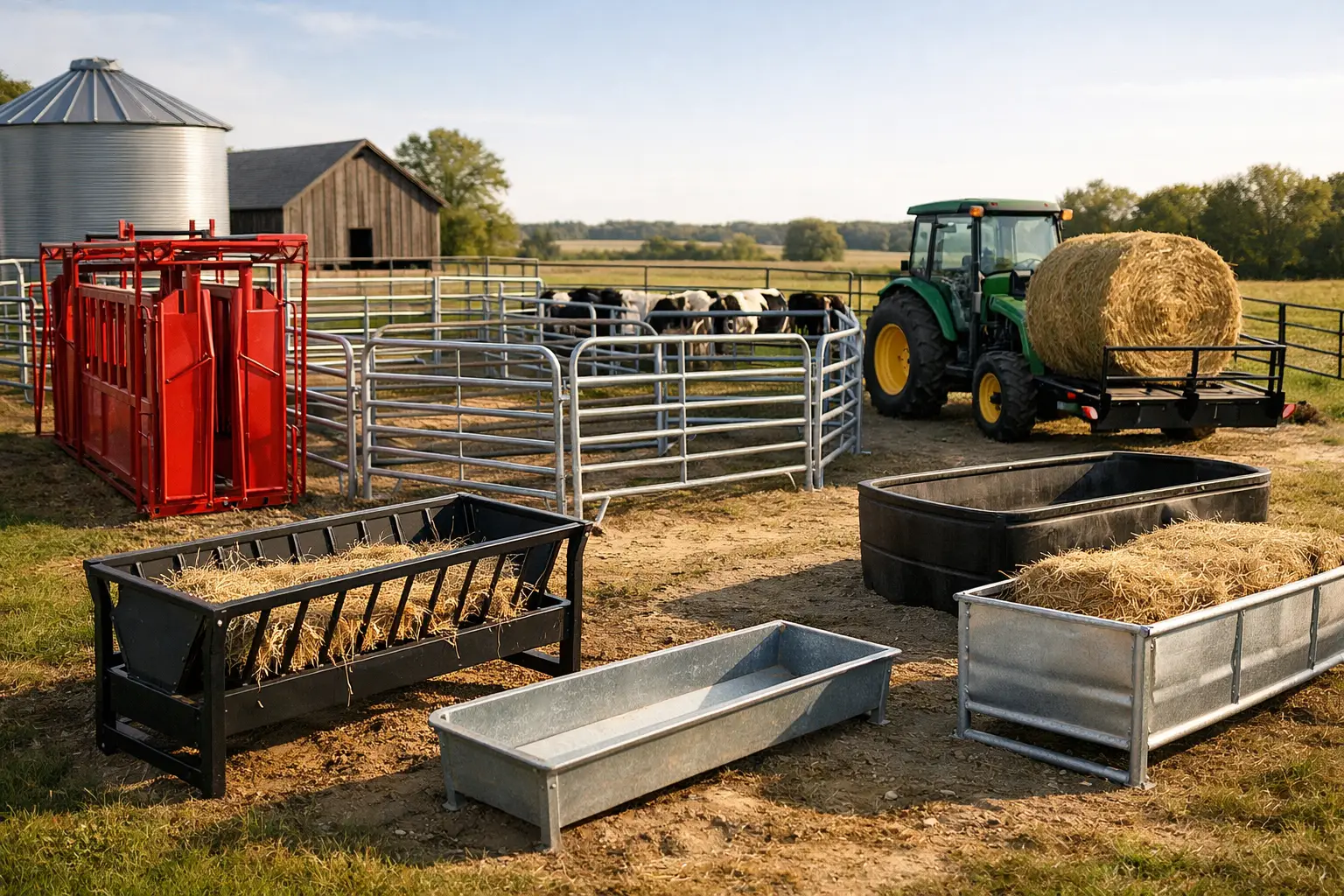
How to Choose Livestock Equipment for Your Farm
A cattle chute that is too light for mature animals, a feeder that wastes forage, or a water system that fails during a heat spell can cost far more than its purchase price. Knowing how to choose livestock equipment starts with looking beyond the catalog specification. The right purchase must fit your animals, labor plan, facilities, climate, and ability to maintain it over time.
For producers, importers, and livestock businesses, equipment buying is an operating decision. A lower upfront price may be attractive, but poor durability, unavailable parts, and difficult handling can raise costs for years. The strongest buying decisions balance animal welfare, worker safety, throughput, and long-term value.
Start With the Livestock System You Run
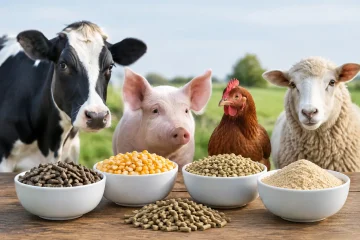
Equipment should serve the production system, not force the system to adapt. A small pasture-based beef operation needs different handling, feeding, and watering equipment than a high-throughput dairy, sheep enterprise, poultry house, or commercial swine unit.
Begin by defining the number of animals you manage now, your expected herd or flock size in three to five years, average animal weight, production stage, and daily handling routines. Also account for seasonal pressure points. Calving, weaning, vaccination, shearing, loading, and extreme weather often reveal whether existing equipment has enough capacity.
Match Equipment Capacity to Real Demand
Capacity is not simply about buying the largest unit available. Oversized equipment can tie up capital and require more space, while undersized equipment creates bottlenecks and increases stress on people and animals.
Use peak demand rather than average demand when comparing options. For example, a waterer must supply adequate flow during hot weather, not just during mild conditions. A handling system should process animals efficiently on vaccination day, when labor and time are limited.
| Equipment category | Key capacity question | Common buying mistake | Better approach | |—|—|—|—| | Feeders | How many animals feed at one time? | Choosing by total herd size alone | Calculate access space, refill frequency, and feed type | | Water systems | What is peak daily consumption? | Ignoring flow rate and recovery time | Size storage and plumbing for hot-weather demand | | Handling equipment | How many animals must be processed per hour? | Buying a chute without considering the full flow path | Plan pens, alleys, gates, chute, and loading area together | | Housing and ventilation | What heat, moisture, and gas load will the building carry? | Focusing only on building size | Match airflow and insulation to species, density, and climate |
Prioritize Animal Welfare and Worker Safety
Livestock equipment affects behavior, health, and labor risk every day. Sharp edges, unstable gates, slippery flooring, poor drainage, and cramped layouts can lead to injury, bruising, stress, and reduced productivity. These risks can also affect product quality and veterinary costs.
Look for equipment designed around animal movement. Cattle and sheep handle more calmly through well-lit, curved alleys with secure footing and minimal visual distractions. Poultry and swine systems need reliable climate control, easy cleaning, and components that reduce competition for feed and water.
For worker safety, inspect latch design, pinch points, gate swing, emergency release mechanisms, and access for routine maintenance. A hydraulic squeeze chute, for instance, may improve control and speed for a large cattle operation, but it also needs trained operators and a dependable service plan. Manual equipment can be a practical fit for lower-throughput farms when it is built for the weight and temperament of the animals handled.
Evaluate Materials, Construction, and Local Conditions
The same piece of equipment can perform very differently across regions. Humidity, salt air, freezing temperatures, dust, UV exposure, and manure all affect service life. A steel feeder that performs well in a dry climate may corrode quickly in a coastal or high-moisture environment.
Ask suppliers what materials are used in high-wear areas, whether hardware is galvanized or coated, and how replacement parts are supplied. Weld quality, wall thickness, drainage design, and moving components often matter more than cosmetic finish.
When comparing equipment, check these practical details:
- Frame strength and rated load capacity for the animal size and operating conditions
- Corrosion resistance for wet, coastal, or high-manure environments
- Floor grip, drainage, and cleanout access in handling and housing areas
- UV resistance and cold-weather performance for outdoor plastics and piping
- Availability of wear parts such as seals, valves, belts, bearings, and latches
A product that needs fewer repairs is valuable, but equipment that can be repaired quickly is often even more valuable. Downtime during feeding, milking, ventilation, or water delivery can become an immediate animal-health problem.
Compare Total Cost, Not Just the Quoted Price
A quote is only the starting point. The true cost of livestock equipment includes freight, installation, site preparation, utilities, operator training, maintenance, consumables, and parts. For imported equipment, also consider lead times, documentation, duties, compatible electrical standards, and access to local technical support.
A Simple Total-Cost Comparison
| Cost factor | Low-price option | Higher-value option | What to verify | |—|—|—|—| | Purchase price | Lower upfront investment | Higher initial outlay | Compare equivalent capacity and specifications | | Expected life | May be shorter in demanding conditions | Often longer with stronger components | Request material and warranty details | | Maintenance | May require frequent repairs | May have lower routine repair needs | Price parts and labor, not just the machine | | Productivity | Can create labor bottlenecks | May improve animal flow and daily output | Estimate time saved per cycle or per day | | Support | Limited service access | Dealer or manufacturer support available | Confirm response time and parts availability |
A useful decision method is to estimate annual cost over the expected life of the equipment. Divide the full installed cost, plus expected maintenance, by the number of years you expect to use it. Then compare that figure with the labor savings, reduced feed waste, improved animal performance, or added processing capacity it can provide.
How to Choose Livestock Equipment From Suppliers
Sourcing equipment from the right supplier is as important as selecting the product itself. A professional supplier should be able to explain specifications clearly, provide dimensions and capacity data, identify compatible parts, and answer questions about installation and maintenance.
For international buyers, request detailed product documentation before committing. Confirm the equipment is appropriate for your country’s electrical supply, safety expectations, and transport conditions. If you are importing handling systems, barns, ventilation components, or automated feeding equipment, check whether local technicians can install and service the product.
Ask suppliers for photos or videos of the equipment in use with similar livestock. References from farms with comparable herd sizes and climates can reveal practical issues that specification sheets do not show. It is also wise to compare more than one quote on an equal basis. A lower-cost offer may exclude essential accessories, controls, delivery, or commissioning.
Agricial can help agricultural buyers compare livestock equipment suppliers and discover category-specific providers in one focused marketplace, reducing the time spent searching across fragmented channels.
Plan for Installation Before You Buy
Many equipment problems begin before the equipment arrives. Measure access roads, gateways, building clearances, concrete pads, drainage routes, electrical connections, and water pressure. Confirm that delivery vehicles can reach the installation site and that lifting equipment is available if needed.
For fixed installations, consider how the equipment fits into the full workflow. A feeder may be durable and correctly sized, yet still create excess labor if it is positioned too far from feed storage. A handling chute may be well made, but ineffective if cattle cannot enter it calmly from the holding pen.
Create a simple site layout showing animal movement, feed delivery, manure removal, worker access, and maintenance space. This step often exposes conflicts early, when adjustments are still inexpensive.
Avoid These Common Buying Errors
The most expensive livestock equipment mistake is buying for the present without accounting for near-term growth. If herd expansion is likely, choose systems that can be extended in modules or accept added components without replacing the entire installation.
Another common error is treating every category as a standalone purchase. Watering, feeding, housing, fencing, ventilation, and handling all interact. Improving one part of the operation can shift pressure to another. Faster processing through a chute, for example, only delivers value when pens, alleys, staffing, and loading arrangements can support the same pace.
Finally, do not accept vague claims about durability or capacity. Request measurable specifications, written warranty terms, operating requirements, and a clear description of what is included in the price.
The best livestock equipment purchase is the one that keeps animals calm, keeps work moving, and remains serviceable when the farm is busiest. Before placing an order, walk the daily workflow with your team and ask one practical question: will this make the next hard day on the farm easier?