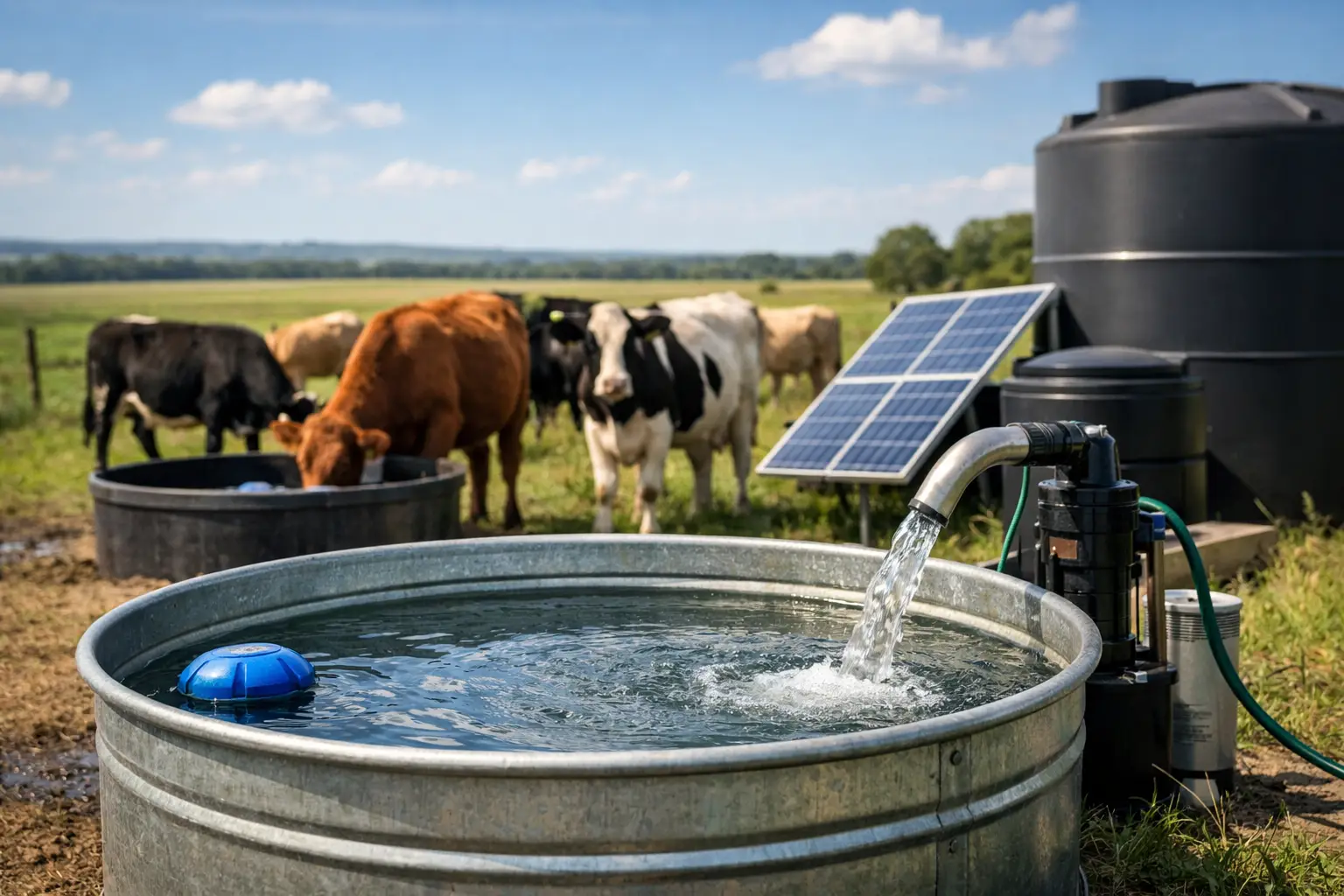
Best Livestock Water Systems for Reliable Supply
A thirsty herd can turn a well-planned grazing rotation into a production problem fast. The best livestock water systems do more than hold water: they deliver enough clean water at the right location, withstand animal pressure, reduce labor, and keep working through heat, mud, freezing weather, and power interruptions.
For farm operators and agricultural buyers, the right choice depends on herd size, species, climate, water source, pasture layout, and the cost of maintaining the system over time. A low-cost trough may suit a small, close-to-home group. A rotational grazing operation may need buried pipe, quick-connect fittings, and portable troughs that move with the animals. The goal is dependable access without overbuilding the project.
What the Best Livestock Water Systems Must Deliver
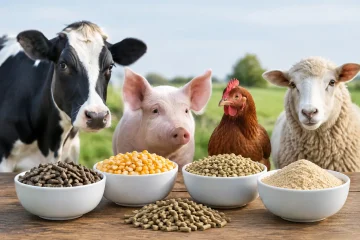
Water demand is not static. Intake rises with body weight, lactation, dry matter intake, temperature, travel distance, and salt levels in the ration. Beef cattle may consume far more water during hot conditions than on mild days, while lactating dairy cattle require consistently high volumes throughout the day. Horses can be sensitive to poor water quality, and smaller ruminants need trough designs that limit contamination and crowding.
Before comparing equipment, assess five practical requirements:
- Daily demand and peak flow: Size for the highest-demand period, not the average day.
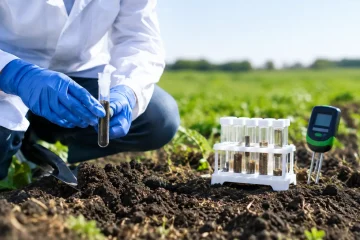
- Water quality: Test for bacteria, nitrates, salinity, sulfates, iron, and other local concerns before investing in delivery equipment.
- Distance and elevation: Long pipe runs and uphill routes can reduce available pressure and refill speed.
- Seasonal conditions: Freezing temperatures, extreme heat, and muddy sites affect the materials and protection needed.
- Labor exposure: Systems that are difficult to clean, inspect, or move usually become costly over time.
A useful planning rule is to design around peak drinking behavior. Cattle commonly drink in concentrated periods after feeding, milking, or returning from pasture. If a trough refills slowly, dominant animals may drink first while others wait, creating uneven access and avoidable stress.
Comparing Livestock Water System Types
The strongest system is rarely the most complex one. It is the system that matches the farm’s operating conditions and can be serviced with locally available parts.
| System type | Best application | Key advantages | Main limitations | |—|—|—|—| | Gravity-fed tank and trough | Farms with elevated storage or reliable slope | No electric pump at point of use, simple operation, low energy cost | Requires elevation, storage capacity, and managed pressure | | Pressurized pipeline with automatic waterers | Permanent paddocks, dairy, feedlots, intensive grazing | Fast refill, cleaner water, reduced hauling labor | Higher installation cost and freeze-risk planning | | Solar-powered pumping system | Remote pasture and off-grid watering points | Uses local energy, reduces fuel hauling, supports remote grazing | Requires correct pump sizing, storage, and battery or solar management | | Nose-pump or pasture pump | Small groups near shallow water sources | Low operating cost, limits direct stream access | Not ideal for large herds or animals unfamiliar with the equipment | | Portable trough with quick-connect line | Rotational and strip grazing | Flexible placement, supports better pasture utilization | Requires careful hose, fitting, and sanitation management | | Frost-free energy-free waterer | Cold climates with deep frost lines | Reduces dependence on electricity, protects water from ice | Installation depth and animal traffic management are critical |
Gravity-Fed Systems
Gravity systems use an elevated tank, spring source, or storage reservoir to create pressure. They are practical where terrain works in the farm’s favor and where power availability is limited. They can serve multiple troughs with relatively simple controls, but pressure must be calculated carefully. Too little pressure slows refill rates; too much can damage float valves or create leaks.
These systems work best when storage is sized to bridge peak demand and short interruptions at the source. For commercial operations, include shutoff valves and isolation points so a damaged line does not take an entire watering network offline.
Pressurized Pipelines and Automatic Waterers
A pressurized pipeline is often the best long-term choice for permanent grazing cells, barns, and high-density livestock areas. Buried polyethylene pipe, correctly sized fittings, float-controlled troughs, and pressure regulation can provide dependable delivery across the farm.
Automatic waterers help keep drinking water cleaner than open, stagnant containers, especially when they are installed on stable pads and cleaned regularly. However, they are not maintenance-free. Floats can stick, valves can wear, and small leaks can become major water losses when buried lines are involved.
Solar Pumping for Remote Grazing
Solar pumping can make remote pasture more productive by bringing water to livestock instead of forcing animals to travel to a pond or creek. That can reduce bank damage, improve grazing distribution, and open underused acreage.
The trade-off is system design. Panel output changes with weather and season, so storage often matters as much as pump capacity. Many successful systems pump into a storage tank during daylight hours, then use gravity or a small booster arrangement to supply troughs. Buyers should compare pump lift, required daily volume, panel capacity, controller protection, and replacement-part availability as a complete package.
How to Size a Livestock Watering System
Sizing begins with expected consumption, then adds capacity for peak use and growth. A supplier should be able to help estimate water demand by animal class, but farms should also document their own highest-use days. Hot weather, lactation, and changes in forage quality can significantly shift requirements.
Use this workflow before requesting quotations:
- Count animals by class, including calves, replacement stock, and seasonal groups.
- Estimate maximum daily demand based on climate and production stage.
- Identify the number of animals likely to drink within a short period.
- Measure source flow, pressure, elevation change, and the longest pipe run.
- Select trough volume and refill capacity that prevent crowding at peak use.
- Add room for herd expansion, emergency storage, and future paddock connections.
Trough size alone does not guarantee supply. A large trough with a weak refill line can still fail during a hot afternoon. Conversely, a modest trough with strong flow and reliable controls can serve a substantial group. For this reason, compare gallons per minute at the trough, not only the pump’s rated output at the source.
Water Quality, Trough Placement, and Animal Health
Clean delivery protects performance. Algae, manure, sediment, biofilm, and dead insects can reduce intake and create sanitation concerns. Open troughs should be drained and scrubbed on a planned schedule, not only when they look dirty. Fit screens or lids where appropriate, and place tanks away from areas where runoff collects.
Location affects both animal behavior and maintenance. Install water points on firm, well-drained surfaces with enough standing room for the herd. In pasture, a trough placed too far from forage can reduce water intake; one placed in a narrow traffic zone can create mud and social pressure. Well-designed access lanes, gravel pads, and managed drainage protect hooves, reduce erosion, and keep equipment serviceable.
For cattle, placing water strategically within grazing areas can encourage more even pasture use. For horses, use durable, smooth-edged troughs and protect exposed lines from chewing or impact. Sheep and goats benefit from trough heights and float assemblies that are safe for smaller animals and less likely to foul quickly.
Cold-Climate and Hot-Climate Considerations
Freezing conditions require an approach matched to local winter severity. Insulated troughs, buried frost-depth piping, geothermal-style waterers, electric heaters, heat tape, and protected valve chambers each have a place. Electric heat is convenient but adds operating cost and dependence on reliable power. Energy-free frost-proof units can reduce utility use but need correct installation and adequate animal use to maintain temperature.
In hot regions, prioritize shade where practical, high refill rates, UV-resistant tanks, and easy cleaning. Warm water and direct sun accelerate algae growth. Solar pumps can be highly effective in these locations, but storage tanks and exposed pipes may need insulation or protection to keep delivered water at a reasonable temperature.
Sourcing Equipment With Fewer Surprises
For agricultural businesses buying water systems across regions, product comparison should go beyond the advertised capacity. Request technical specifications for pipe diameter, pressure rating, pump curve, float-valve materials, tank construction, electrical requirements, warranty terms, and recommended service intervals. Confirm whether fittings use common local standards and whether critical replacement parts can be supplied quickly.
When comparing suppliers, ask for the complete operating picture: what is included, what must be purchased separately, who supports installation, and what conditions can void the warranty. This is particularly important for solar pumping packages and frost-free waterers, where a missing controller, incorrect pipe depth, or unsuitable valve can compromise the full investment.
Agricial helps agricultural buyers and suppliers compare category-specific equipment and connect around practical requirements, from pasture watering components to pumping and irrigation-related solutions. Clear specifications and direct supplier communication make it easier to evaluate systems on performance, serviceability, and commercial fit rather than price alone.
A livestock watering system should earn its place every day: animals drink without competition, staff spend less time hauling and repairing, and the farm can use its land with greater confidence. Start with the water demand, design for the difficult day rather than the average one, and choose equipment that can be maintained long after installation.