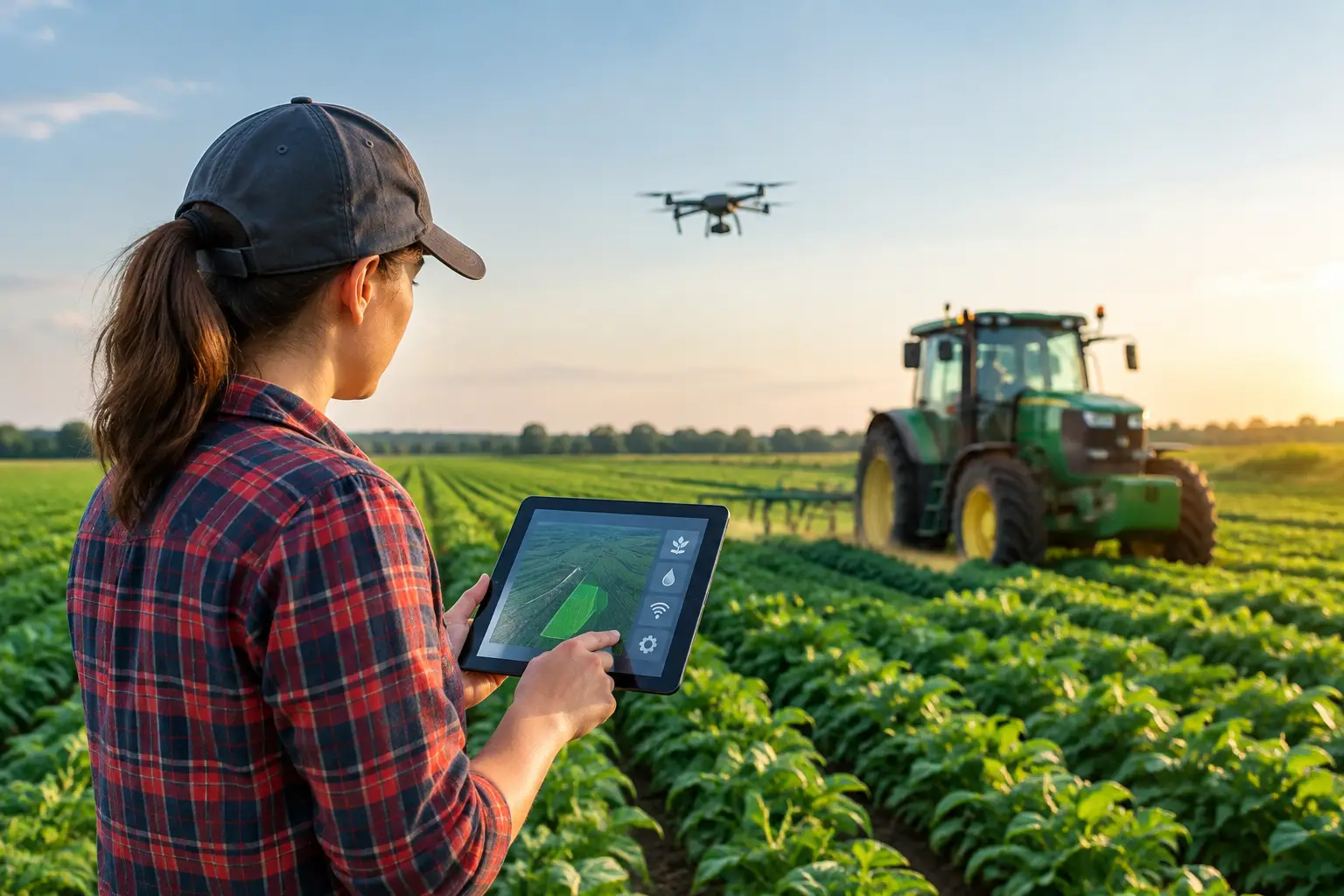
Best Farm Automation Tools for Smarter Operations
A missed irrigation cycle, a feeder that runs empty, or a machine waiting on an operator can quickly become an expensive production problem. The best farm automation tools help agricultural businesses control these repeatable tasks with better timing, less manual labor, and clearer operating data. For commercial farms, the goal is not to automate everything at once. It is to invest first where automation protects yield, reduces risk, or removes a persistent labor bottleneck.
What Makes a Farm Automation Tool Worth Buying?
Farm automation covers a wide range of equipment and software, from soil-moisture sensors and automatic pivot controls to robotic milkers, GPS guidance, and packhouse grading systems. A useful tool does more than add a screen or app to an existing process. It should create a measurable operational gain.
Before comparing suppliers, define the outcome you need. A vegetable grower facing water restrictions may prioritize automated irrigation. A dairy operation with staffing pressure may get a faster return from automated feeding or milking. A grain producer managing large acreage may focus on guidance, section control, and machine data.
The strongest investments usually have four traits: they fit existing equipment, work reliably in local field conditions, produce data that someone can act on, and have accessible maintenance support. The lowest purchase price is not always the lowest operating cost. Installation, connectivity, subscriptions, spare parts, training, and local service all affect the real value of an automation system.
Best Farm Automation Tools by Application
| Tool category | Primary use | Best fit | Main business benefit | Key trade-off | |—|—|—|—|—| | Smart irrigation controls | Automate water scheduling and valve operation | Row crops, orchards, greenhouses | Reduced water waste and more consistent crop moisture | Requires sound sensor placement and reliable water infrastructure | | Soil and weather sensors | Track moisture, temperature, rainfall, and crop conditions | Irrigated farms and high-value crops | Better irrigation and fieldwork decisions | Data is only useful when reviewed and acted on | | GPS guidance and autosteer | Guide tractors and implements accurately | Broadacre and row-crop operations | Lower overlap, fuel use, and operator fatigue | Compatibility varies by machine and correction signal | | Variable-rate technology | Adjust seed, fertilizer, or crop protection inputs by zone | Farms with mapped field variability | More precise input allocation | Needs quality field data and capable equipment | | Livestock automation | Automate feeding, milking, weighing, or environmental control | Dairy, poultry, swine, and feedlots | More consistent routines and animal monitoring | High capital cost for fully integrated systems | | Drone and imaging systems | Scout crops, map fields, and inspect hard-to-reach areas | Large farms, orchards, consultants | Faster visibility of crop issues | Regulations, operator skills, and image interpretation matter | | Farm management platforms | Combine production, machine, and cost data | Multi-field and multi-enterprise businesses | Better records, traceability, and planning | Data can become fragmented across vendors |
Smart Irrigation Controls and Sensor Networks
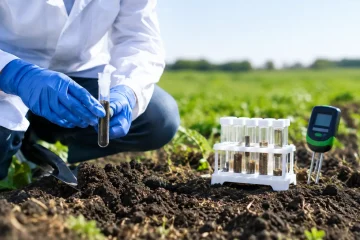
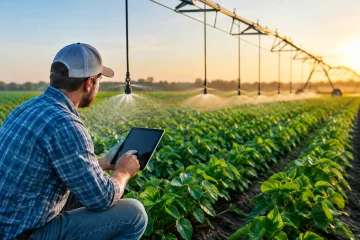
For many farms, irrigation automation is the most practical starting point because the savings can be visible within a season. Systems can combine flow meters, soil-moisture probes, weather stations, pressure sensors, pumps, valves, and remote controls. Instead of sending staff to manually start and stop zones, managers can schedule irrigation based on crop stage, moisture thresholds, or weather conditions.
The best system depends on the water delivery method. Drip-irrigated orchards and vineyards may need zone-level valve control and pressure monitoring. Pivot operations may prioritize remote pivot status, pump synchronization, and application records. Greenhouse operators often need tighter automation around fertigation, climate, and irrigation cycles.
Do not buy sensors simply because they are available. Ask suppliers how many probes are needed per soil type, how data is transmitted, how often batteries need replacement, and whether the platform can trigger an alert when pressure or flow moves outside the target range. A sensor network without a clear response plan becomes another dashboard to ignore.
GPS Guidance, Autosteer, and Precision Input Control
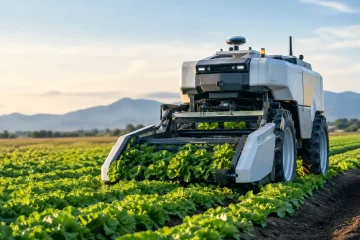
Autosteer has become a core productivity tool for farms managing long working days, narrow planting windows, or large acreages. Guidance systems improve pass-to-pass accuracy and reduce overlap during tillage, planting, spraying, and spreading. Section control can automatically shut off boom sections or planter rows where ground has already been covered.
Variable-rate controllers add another level of precision. They use prescription maps or real-time sensor information to change application rates across a field. This is valuable where soil texture, yield history, elevation, or nutrient levels vary significantly. On uniform fields, the payback may be slower.
When comparing systems, confirm whether the display, receiver, steering kit, implement controller, and correction service work with your current machinery. Some operations benefit from an integrated manufacturer ecosystem, while mixed fleets may need a more flexible platform. Also check who owns the machine and field data, how data can be exported, and what happens if a subscription ends.
Livestock Automation That Supports Daily Consistency
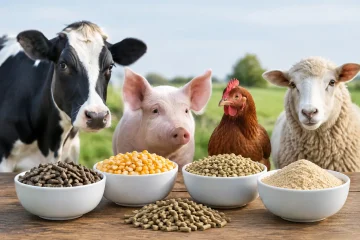
Livestock operations run on routines, which makes them strong candidates for automation. Automatic feeders can deliver rationed feed on a schedule. Robotic milking systems record production and animal-level activity. Poultry houses can automate ventilation, lighting, feed lines, water lines, and temperature alarms. Electronic identification and automated scales can improve animal tracking and reduce handling time.
The business case is often strongest where skilled labor is scarce or where delayed checks create animal welfare and production risks. A dairy robot, for example, can generate detailed information about milk yield, activity, and potential health changes. But it also changes the management model. Staff need to understand alerts, maintain hygiene standards, and respond quickly to exceptions.
For smaller operations, fully robotic systems may not be the first move. Automated climate controls, water monitoring, feed dispensing, or livestock cameras can offer a lower-cost route to better consistency. Choose the level of automation that matches herd size, labor availability, and local technical support.
Farm Management Software Is the Operating Layer
Automation equipment creates value when its information supports daily decisions. Farm management software can connect planting records, input applications, equipment activity, inventory, labor tasks, field maps, and harvest results. For exporters and buyers working with traceability requirements, digital records can also make it easier to document production practices and lot history.
The right platform should reduce duplicate data entry rather than create it. Start with the records your business already needs: field activities, input use, maintenance, harvest, costs, or compliance documentation. Then assess whether the software can receive data from your machines, sensors, scales, or accounting process.
A platform with every possible feature may be unnecessary for a single-crop farm. Conversely, a diversified agribusiness may need stronger permissions, multi-site reporting, inventory controls, and audit trails. Request a live demonstration using a workflow that reflects your operation, not a generic sales presentation.
How to Compare Farm Automation Suppliers
The equipment itself is only half of the purchasing decision. Automation systems depend on installation quality, connectivity, service response, and parts availability. This matters even more in remote agricultural areas where a failed controller or sensor can interrupt production.
Use a structured comparison before requesting quotes. Review the supplier’s experience in your crop, livestock type, climate, and farm scale. Ask for total installed cost, expected recurring fees, warranty coverage, training, software access, and service turnaround time. If the system relies on cellular, Wi-Fi, LoRaWAN, satellite, or radio communication, verify coverage across every field, barn, pump station, or packhouse involved.
For imported equipment, confirm electrical standards, replacement-part lead times, calibration requirements, and whether a qualified local technician can support the product. A lower-priced overseas unit can become costly if critical parts take weeks to arrive during irrigation or harvest season.
Questions to Ask Before You Commit
Ask suppliers to explain how the tool performs when connectivity drops, power fails, or a sensor provides faulty readings. Clarify whether manual operation remains possible and whether alerts reach more than one person. You should also ask for references from farms with comparable acreage, crop systems, or herd sizes.
A pilot installation is often a smart commercial decision. Test one irrigation block, one barn, one machine, or a limited number of acres before committing to a full rollout. This gives managers time to validate labor savings, train operators, and identify integration issues without putting the whole operation at risk.
Build an Automation Roadmap, Not a Shopping List
The best farm automation tools are the ones that solve a specific constraint and can grow with the business. Start with one high-impact workflow, measure the result, and use that evidence to guide the next investment. Labor hours saved, gallons of water reduced, input overlap avoided, equipment downtime prevented, and yield consistency improved are more useful measures than feature counts.
For buyers, a specialized agriculture marketplace can speed up the sourcing process by making it easier to compare equipment categories, supplier capabilities, and quote options in one place. Agricial helps agricultural professionals identify relevant machinery, irrigation, livestock, and AgriTech partners without relying on a fragmented supplier search.
Choose technology that gives your team more control over the work that matters most. When automation is matched to a real operational need, it does not replace good farm management. It gives good managers the time and visibility to make better decisions.