10 Smart Farming Techniques That Pay Off
Margins are tighter, weather is less predictable, and input costs rarely wait for a good season. That is exactly why smart farming techniques matter now — not as buzzwords, but as practical ways to improve output, control costs, and make better business decisions across modern agriculture.
For growers, agribusiness operators, and farm service providers, smart farming is not one tool or one software platform. It is a working approach that uses data, automation, precision, and better resource management to improve farm performance. The value is straightforward: less waste, better timing, stronger yields, and clearer return on investment.
What smart farming really means in practice
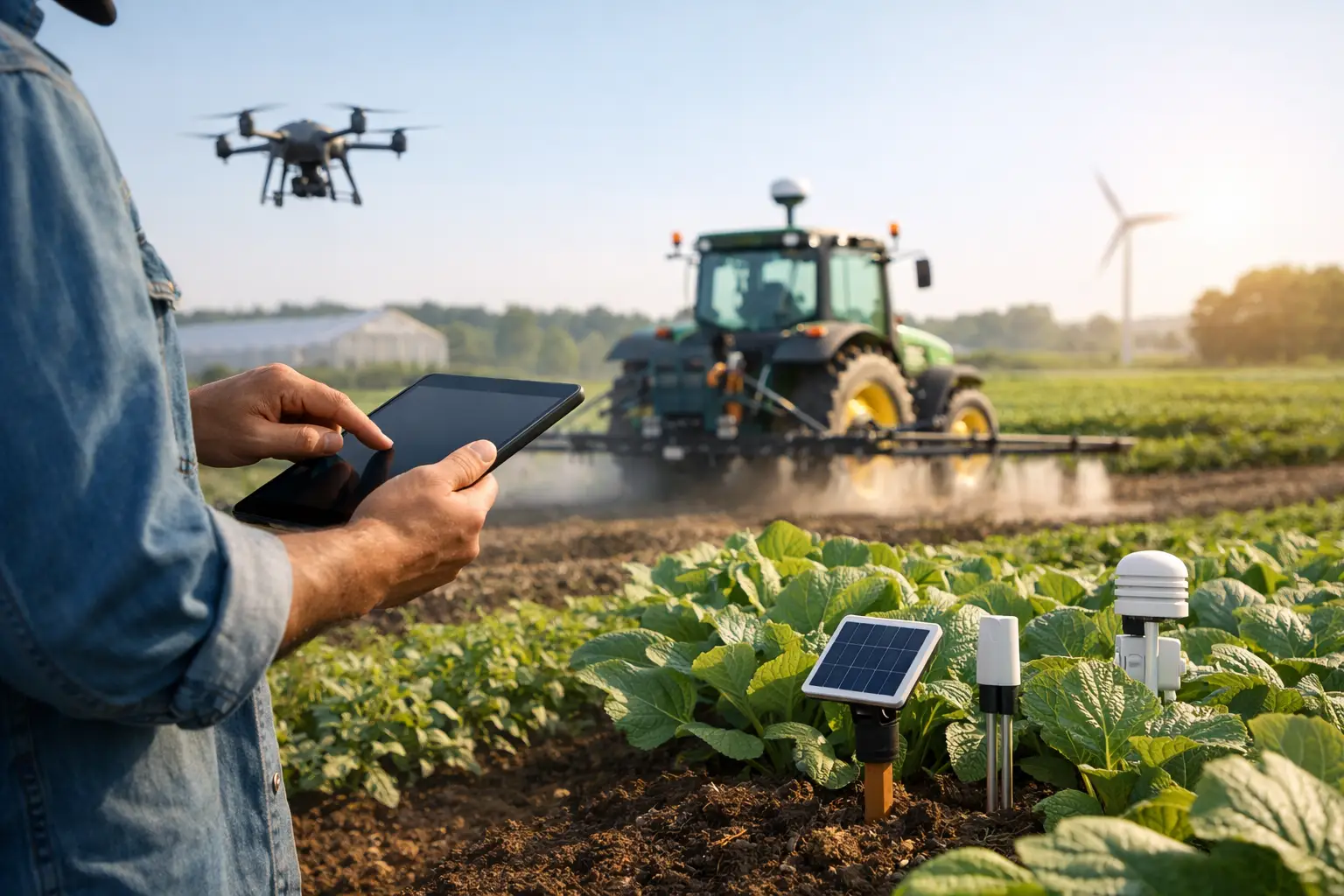
Smart farming combines field-level observation with technology that helps operators act faster and more accurately. In some operations, that means satellite mapping and sensors. In others, it may be automated irrigation, variable-rate fertilization, or a farm management system that turns scattered records into usable decisions.
The right mix depends on crop type, acreage, labor availability, water access, and market pressure. A greenhouse operation will not prioritize the same systems as a grain producer or a fruit exporter. Still, the goal is consistent across sectors: produce more efficiently and reduce avoidable loss.
10 smart farming techniques worth adopting
| Technique | Main Benefit | Cost Level | ROI Speed |
|---|---|---|---|
| Precision Soil Testing | Improves nutrient accuracy | Low | Fast |
| Smart Irrigation | Reduces water waste | Medium | Fast |
| Sensors | Real-time monitoring | Medium | Medium |
| GPS Machinery | Reduces overlap and fuel cost | Medium | Medium |
| Variable Rate | Optimizes input usage | Medium | Fast |
| Drones | Improves field visibility | High | Medium |
| Pest Monitoring | Reduces unnecessary spraying | Low | Fast |
| Farm Software | Improves decision making | Low–Medium | Fast |
| Controlled Environment | Stabilizes production | High | Slow–Medium |
| Data-Driven Sourcing | Improves procurement efficiency | Low | Fast |
1. Precision soil testing and nutrient mapping
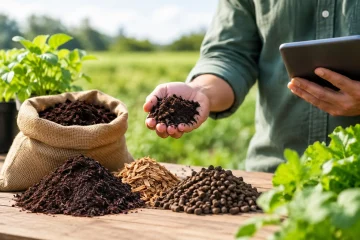
Applying the same fertilizer rate across an entire farm often creates two problems at once. Some areas receive more nutrients than they need, while weaker zones still underperform.
Key benefits:
- Reduces fertilizer waste
- Improves crop response
- Supports targeted nutrient planning
2. Smart irrigation scheduling
Smart irrigation scheduling uses soil moisture data, crop stage, and weather conditions to optimize water use.
Key benefits:
- Saves water and energy
- Improves root development
- Enhances crop consistency
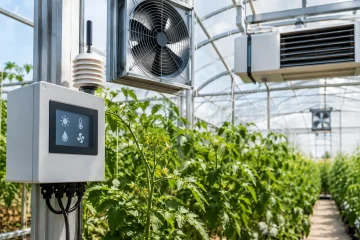
3. Sensor-based field monitoring
Sensors help detect problems before they become visible.
Key benefits:
- Early issue detection
- Better environmental control
- Faster decision making
4. GPS-guided machinery and auto-steering
GPS systems reduce overlap and improve field efficiency.
Key benefits:
- Lower fuel consumption
- More precise field operations
- Reduced operator fatigue
5. Variable-rate application
Variable-rate technology adjusts inputs based on field conditions.
Key benefits:
- Optimizes input costs
- Improves yield consistency
- Enhances resource efficiency
6. Drone and aerial crop scouting
Drone monitoring improves visibility across large fields.
Key benefits:
- Faster crop analysis
- Early stress detection
- Better field coverage
7. Integrated pest monitoring
Smart pest control focuses on timing and accuracy.
Key benefits:
- Reduces chemical use
- Improves crop protection
- Supports sustainable practices
8. Farm management software
Digital systems organize farm operations and data.
Key benefits:
- Better recordkeeping
- Improved decision quality
- Enhanced traceability
9. Controlled environment farming
Greenhouses and controlled systems improve stability.
Key benefits:
- Consistent production
- Reduced weather risk
- Higher product quality
10. Data-driven sourcing
Using a dedicated agriculture marketplace improves supplier comparison and sourcing efficiency.
Key benefits:
- Better supplier visibility
- Faster decision making
- Reduced procurement risk
Which techniques deliver the fastest return?
The fastest ROI usually comes from smart irrigation, soil testing, and digital recordkeeping.
- Smart irrigation → immediate water savings
- Soil testing → better fertilizer efficiency
- Farm software → improved planning
Common mistakes when adopting smart farming
- Investing in technology without a clear problem
- Trying to implement too many systems at once
- Lack of training and data management
Key Takeaways
- Smart farming improves efficiency and reduces waste
- Data-driven decisions increase profitability
- Not all technologies are suitable for every farm
- Start small and scale gradually
- Sourcing decisions are part of smart farming strategy
Smart farming is not about adopting every new technology. It is about using the right tools at the right time to improve performance and profitability in real operating conditions.