What Is Agricultural Sourcing for Farm Buyers?
A delayed shipment of seed, an irrigation pump without local parts support, or fertilizer that does not meet the promised analysis can disrupt an entire season. That is why the question, what is agricultural sourcing, matters well beyond purchasing. It is the process of finding, evaluating, selecting, and managing suppliers for the products and services an agricultural business needs to operate and grow.
For a farm, distributor, processor, or exporter, agricultural sourcing covers far more than locating the lowest price. It connects product quality, supplier reliability, logistics, payment terms, compliance, and after-sales support. Done well, it gives buyers more control over cost and continuity. Done poorly, it can create delays, crop losses, cash-flow pressure, and damaged customer relationships.
What Is Agricultural Sourcing?
Agricultural sourcing is the organized procurement of farm inputs, equipment, commodities, technology, and specialist services from qualified suppliers. The goal is to secure the right product, in the required quantity and quality, at a commercially viable total cost, and at the time it is needed.
The word “agricultural” is significant. Agricultural purchases are often seasonal, location-dependent, and technically sensitive. A buyer sourcing greenhouse film, for example, needs more than a competitive unit price. They may need the correct thickness, UV treatment, width, delivery schedule, warranty, and compatibility with an existing structure.
Sourcing can involve local vendors, regional distributors, manufacturers, exporters, importers, and service providers. It may be a one-time purchase, such as a harvesting machine, or an ongoing supply program for seed, feed, crop protection products, packaging, or spare parts.
What Agricultural Businesses Source
The scope depends on the business model and production system. Common sourcing categories include:
- Crop inputs such as seeds, fertilizers, biologicals, crop protection products, and growing media
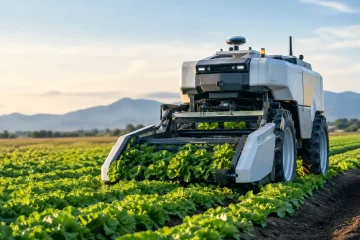
- Farm equipment including tractors, implements, irrigation systems, pumps, sensors, and livestock equipment
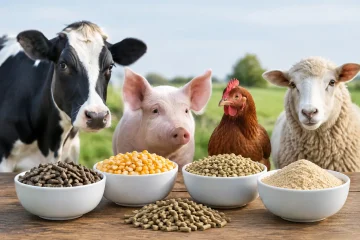
- Animal production supplies such as feed ingredients, veterinary products, housing systems, and genetics
- Post-harvest needs including cold storage, grading equipment, packaging, processing machinery, and transport
- Professional services such as agronomy, engineering, certification, laboratory testing, finance, and logistics
A commercial buyer may also source agricultural commodities for resale or processing. In that case, specifications can include grade, moisture content, residue limits, origin, traceability, packing format, and shipment terms.
Agricultural Sourcing vs. Simple Purchasing
Purchasing is the transaction of placing an order and paying for it. Sourcing happens earlier and reaches further. It is the work of defining the requirement, comparing available supply options, checking supplier capability, negotiating conditions, and monitoring performance after delivery.
| Activity | Simple purchasing | Agricultural sourcing | |—|—|—| | Main focus | Completing an order | Building the right supply decision | | Supplier choice | Often based on price or familiarity | Based on capability, quality, risk, and total cost | | Timing | Immediate buying need | Seasonal planning and long-term supply continuity | | Product review | Basic description and price | Specifications, certifications, compatibility, samples, and support | | Risk management | Limited | Includes logistics, compliance, payment, and supplier reliability |
For smaller farms, the same distinction still applies. A grower comparing two drip irrigation suppliers is sourcing when they assess filtration requirements, emitter spacing, pressure range, warranty coverage, and replacement-part availability before purchasing.
Why Agricultural Sourcing Has a Direct Impact on Profitability
Agriculture runs on timing. Missing a planting window can be more expensive than paying a slightly higher price for seed. A low-cost machine can become a costly purchase if service technicians or replacement parts are unavailable during harvest. This is why experienced buyers consider total value rather than quote price alone.
Effective sourcing can improve margins in several ways. It helps businesses compare offers from more than one qualified supplier, identify products that match technical requirements, negotiate better terms, and reduce emergency buying. It also supports more predictable inventory planning, particularly for inputs with long lead times or volatile prices.
There are trade-offs. Buying locally may cost more per unit but offer faster delivery and easier service. Importing directly from a manufacturer can reduce unit cost, yet it can introduce freight exposure, customs delays, minimum order quantities, and more complex warranty claims. The right route depends on the purchase value, urgency, technical complexity, and the buyer’s ability to manage risk.
The Agricultural Sourcing Process
A practical sourcing process does not need to be complicated, but it should be disciplined. The strongest decisions begin with a clear requirement rather than a vague request for “the best” product.
1. Define the Requirement
Start with the operational need. Specify the product or service, quantity, use case, expected delivery date, budget range, and technical standards. For machinery, include capacity, power requirements, field conditions, and expected hours of use. For fertilizers, define nutrient analysis, form, application method, and compliance requirements.
Clear specifications prevent suppliers from quoting different products that cannot be fairly compared.
2. Identify Suitable Suppliers
Buyers can source through existing relationships, distributors, trade networks, manufacturers, directories, and agriculture-focused marketplaces. The objective is not to collect dozens of random contacts. It is to find a manageable group of suppliers that serve the right category, geography, and scale.
A focused marketplace such as Agricial can help buyers discover agricultural suppliers and service providers across categories, then compare profiles and submit quote requests without starting every search from zero.
3. Evaluate More Than the Price
A supplier quote should be reviewed against the full commercial picture. Confirm product specifications, availability, delivery lead time, minimum order quantity, payment terms, shipping responsibilities, and warranty or technical support.
For regulated products, ask for the appropriate registrations, test reports, certificates, labels, or traceability documents. For high-value equipment, request detailed specifications, operating conditions, parts availability, training options, and service response expectations.
4. Verify the Supplier and Product
Supplier verification is especially important when buying across borders or working with a new vendor. Review the company profile, product range, business history, references, export experience, and responsiveness. Confirm that contact details, legal business information, and bank details are consistent.
For significant orders, use samples, inspection, video demonstrations, third-party testing, or pre-shipment checks where appropriate. A sample can reveal issues that a specification sheet does not, particularly with seed quality, packaging strength, irrigation fittings, feed ingredients, and processed commodities.
5. Negotiate Terms and Document the Agreement
The purchase order or contract should state exactly what is being supplied and under what conditions. Include product specifications, quantity tolerances, delivery dates, packing requirements, pricing basis, payment terms, inspection rights, and remedies for nonconforming goods.
International transactions require extra clarity. Buyers and sellers should agree on who handles freight, insurance, customs documentation, duties, and risk transfer. Ambiguity in these areas can erase the savings gained through a lower supplier quote.
6. Measure Supplier Performance
Sourcing continues after the goods arrive. Track whether deliveries were on time, whether products met specifications, how claims were handled, and whether the supplier communicated clearly. Over time, this record helps buyers build a reliable supplier base and avoid repeating costly mistakes.
Key Criteria for Selecting Agricultural Suppliers
The best supplier is not always the largest company or the cheapest bidder. Selection criteria should match the category and the consequences of failure.
For recurring inputs, consistent quality and delivery reliability may matter most. For a specialized machine, local service capability and spare-parts access may outweigh a modest price difference. For commodities, traceability, grading consistency, and export documentation can determine whether a shipment is commercially usable.
Use these criteria when comparing suppliers:
- Product fit: Does the offer meet the technical, agronomic, or processing requirement?
- Quality evidence: Are specifications, certificates, samples, and test results available?
- Supply capacity: Can the supplier meet volume needs through the required season?
- Commercial terms: Are pricing, payment, minimum order quantities, and freight terms workable?
- Logistics capability: Can the supplier deliver reliably to the farm, warehouse, port, or destination market?
- Support and accountability: Is there a clear path for technical help, spare parts, returns, and claims?
Common Sourcing Risks and How to Reduce Them
Agricultural sourcing carries risks that are often connected. A delayed vessel can affect planting, while a documentation error can hold up a shipment at the border. A product that looks equivalent on paper may perform differently in local soil, climate, or operating conditions.
The most practical safeguard is preparation. Build sourcing plans before peak demand, maintain approved alternatives for critical inputs, and avoid relying on a single supplier when continuity matters. Keep written specifications and records of past performance so each purchase builds better information for the next one.
Price volatility also requires judgment. Locking in a price can protect a budget, but it may reduce flexibility if market prices fall. Spot buying can capture lower prices, but it exposes the business to shortages and rushed decisions. Many buyers balance both approaches by securing a base volume early and leaving a smaller portion open for later purchasing.
Make Sourcing a Commercial Advantage
Agricultural sourcing is not just an administrative task. It is a commercial capability that affects production reliability, product quality, customer commitments, and profit. Businesses that source with clear specifications, verified suppliers, and realistic total-cost comparisons are better positioned to respond when markets, weather, or logistics change.
The next time a purchase requirement reaches your desk, begin with the operating outcome you need – not just the item you plan to buy. That single shift leads to stronger supplier conversations and decisions that support the season ahead.