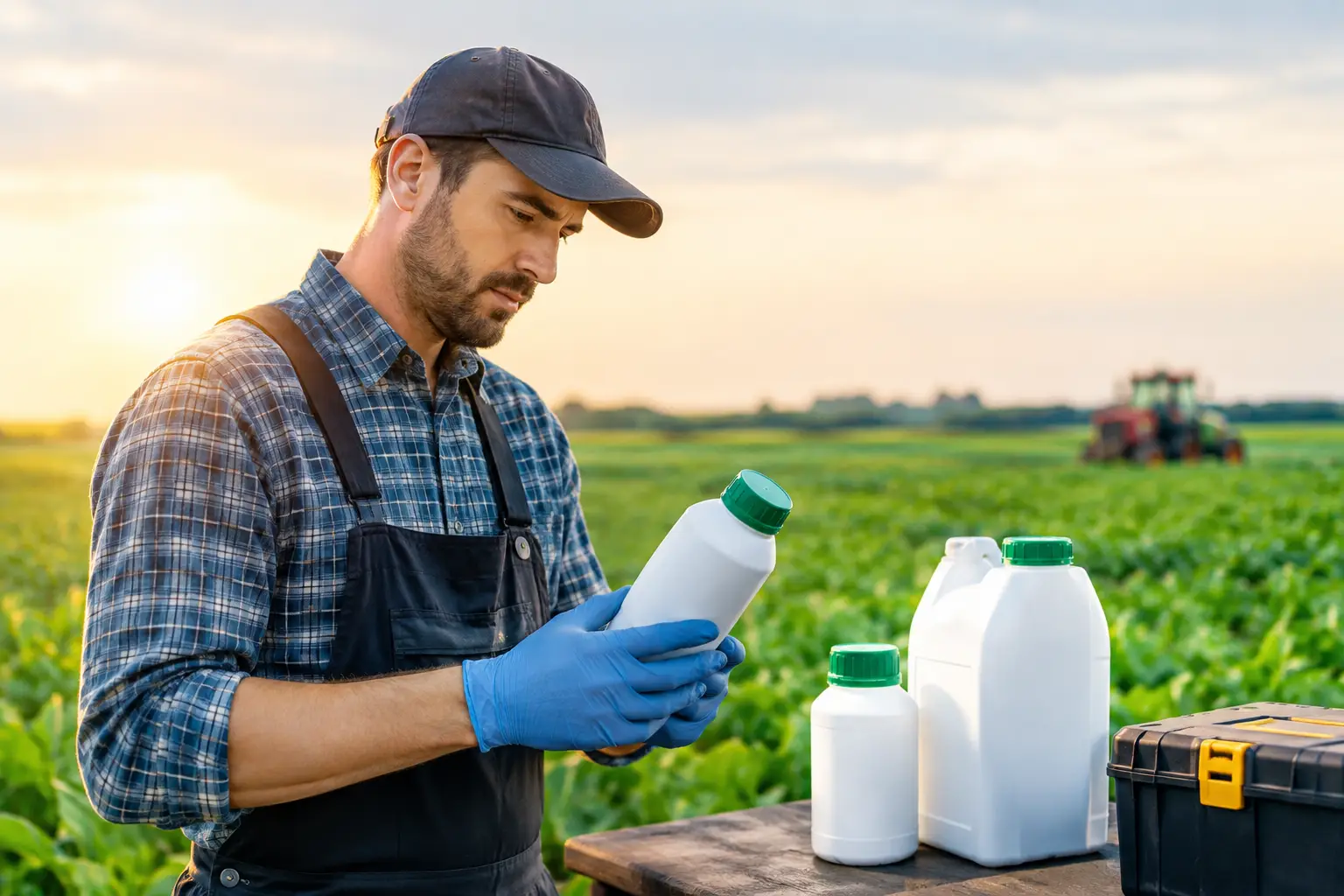
How to Prevent Counterfeit Pesticides in Farming
A pesticide that looks legitimate can still damage a crop, leave unacceptable residues, injure workers, or fail when pest pressure is at its highest. Knowing how to prevent counterfeit pesticides is therefore not only a purchasing issue. It is a farm-risk, food-safety, and commercial-protection priority for every buyer in the agricultural supply chain.
Counterfeit pesticides may contain the wrong active ingredient, an incorrect concentration, banned substances, contaminated solvents, or no effective ingredient at all. The cost of a suspiciously cheap product can quickly exceed the savings through crop loss, rejected shipments, regulatory action, and lost customer confidence.
Why counterfeit pesticides create serious business risk
A genuine pesticide is supported by registration data, approved labeling, batch controls, and a manufacturer that can be held accountable. A counterfeit product bypasses those safeguards. Its container may imitate a known brand, but the formulation inside can be unpredictable.
For growers, the immediate risk is poor pest control or crop phytotoxicity. For exporters and packers, the greater concern may be residues that do not match the declared product or market requirements. Importers, distributors, and retailers also face liability when unapproved or fraudulent products enter their supply chain.
The risks extend beyond the field:
- Crop injury, ineffective control, and resistance pressure
- Worker exposure caused by unknown or unsafe ingredients
- Soil, water, pollinator, and livestock contamination
- Rejected loads and residue-related market access problems
- Financial loss, recalls, penalties, and reputational damage
How to prevent counterfeit pesticides before you buy
The most reliable defense happens before payment, delivery, or field application. Build a purchasing process that verifies both the product and the company selling it.
Buy from traceable, accountable suppliers
Source pesticides from authorized distributors, established agricultural retailers, or suppliers that can document their commercial identity and product origin. A legitimate seller should provide a business address, tax or registration details where applicable, a clear invoice, and a responsive contact person.
Be cautious with informal offers made through social media, messaging groups, cash-only transactions, or temporary market stalls. These channels are not automatically fraudulent, but they make due diligence harder. If the seller cannot identify the manufacturer, importer of record, or authorized distribution route, do not proceed.
For cross-border procurement, ask who is legally responsible for placing the product on the destination market. Registration and labeling requirements differ by country, and a product approved in one market may not be legal to import, sell, or use in another.
Verify registration and label details
Check that the product is registered or approved for sale and use in the country where it will be applied. Compare the label with the official product information from the relevant regulatory authority or manufacturer. Confirm the active ingredient, formulation type, approved crops, target pests, application rate, safety statements, and registration number.
A legitimate label should be clear, durable, and consistent with local regulatory requirements. Spelling errors, blurred printing, missing hazard statements, unusual claims, or a label in the wrong language are warning signs. So is a registration number that cannot be verified.
Do not assume that a familiar brand name proves authenticity. Counterfeiters often copy logos, color schemes, and container shapes very convincingly.
Treat an unusually low price as a risk signal
Price comparison is good procurement practice, but a major price gap needs an explanation. A lower price may be valid when a supplier is clearing inventory, buying at scale, or selling a different pack size. It may also signal expired stock, unauthorized imports, poor storage, or counterfeit goods.
Ask for a written quotation that identifies the exact product name, active ingredient, formulation, pack size, batch number, delivery terms, and taxes. Compare like with like. A 20-liter container with a different formulation concentration is not directly comparable to a 20-liter container from another supplier.
Product checks at receiving and before use
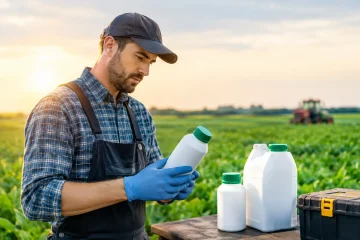
Even when a supplier appears credible, inspect every delivery before it enters inventory. Assign this responsibility to a trained employee, store manager, agronomist, or procurement lead rather than leaving it to whoever unloads the shipment.
| Checkpoint | What a legitimate product should show | Warning signs | |—|—|—| | Packaging | Clean, sealed, durable container with consistent branding | Broken seal, leaking cap, poor-quality plastic, mismatched colors | | Label | Complete directions, hazard information, registration details, readable print | Missing information, blurred text, spelling errors, altered stickers | | Batch coding | Clear batch or lot number and production or expiration date | No code, code that rubs off, different codes on carton and container | | Documentation | Invoice, delivery record, and product traceability details | Cash-only sale, no invoice, vague product description | | Product condition | Appearance and odor consistent with known product specifications | Separation, sediment, unusual odor, swollen container, damaged seals |
Preserve the batch trail
Record product name, supplier, invoice number, batch or lot number, quantity received, receiving date, and the farm, field, or customer to which it was issued. Keep photos of labels and containers for high-value or high-risk purchases.
This documentation supports traceability if a crop problem, residue finding, or regulatory inquiry occurs later. It also helps legitimate suppliers investigate a suspected diversion or counterfeit incident quickly.
For distributors and cooperatives, batch-level inventory control is especially valuable. Separate stock by lot, rotate inventory carefully, and avoid mixing loose or partial containers from different sources.
Do not test suspicious products in the field
If a pesticide seems questionable, quarantine it. Do not apply a small amount to “see if it works.” An unverified product can harm a test area, create residues, expose workers, and compromise evidence needed for an investigation.
Contact the manufacturer, authorized distributor, or appropriate agriculture or pesticide regulator with the product details. Preserve the container, label, invoice, and any outer packaging. If safe to do so, photograph the product from multiple angles and note where and when it was purchased.
Build purchasing controls that scale with your operation
A small farm may rely on a simple approved-supplier list and a receiving checklist. A larger importer, exporter, or distributor needs stronger controls, including vendor onboarding, document review, lot tracking, and periodic supplier audits. The right system depends on purchase volume, product risk, and the markets served.
A practical control program should include four operating rules:
- Purchase only from approved suppliers with verifiable contact and commercial details.
- Require invoices and retain product, batch, and delivery records for every transaction.
- Inspect seals, labels, and lot codes before accepting products into storage.
- Train purchasing, warehouse, and field teams to stop and report suspicious products.
Training matters because counterfeit detection is often lost at the handoff. The buyer may vet a supplier, but a warehouse team might accept damaged or substituted containers without comparing them to the purchase order. Field teams may discard labels before application records are completed. Clear roles close those gaps.
Questions to ask a pesticide supplier
Before placing an order, request direct answers to practical questions. Who manufactures the product? Is the supplier authorized to distribute it in your market? What is the local registration or approval number? Can the supplier provide batch information before delivery? What documentation accompanies the shipment? How are products stored and transported?
A credible supplier will not treat these questions as inconvenient. They demonstrate that your business understands product stewardship and intends to protect its customers, crops, and market access.
Agricial can support supplier discovery by helping agricultural buyers compare professional listings and start more informed commercial conversations. Still, marketplace visibility should be the start of verification, not the end of it. Confirm credentials, product approvals, and transaction records before committing to a purchase.
Manage storage and application with the same discipline
Counterfeit prevention does not stop at procurement. Store pesticides in their original containers, with labels intact, in a secured area away from food, feed, seed, and water sources. Never transfer products into unmarked bottles or combine leftover materials in a single container.
Before application, compare the container label with the farm spray plan and verify the active ingredient, rate, crop, and pre-harvest interval. This final check can catch a wrong product, a substituted container, or a purchasing error before it becomes a field incident.
A trusted supply chain protects more than the crop
The strongest protection against counterfeit pesticides is a repeatable process: source carefully, verify documentation, inspect every batch, and stop questionable products before they reach the field. Each disciplined check protects crop performance, worker safety, and the confidence buyers place in your agricultural business.