Organic vs Synthetic Fertilizers: Buyer Guide
A grower facing uneven corn growth, a greenhouse operator chasing consistent fruit quality, and a distributor building a seasonal inventory all ask the same question: organic vs synthetic fertilizers – which choice delivers the better commercial result? The answer is rarely one product category. It depends on crop demand, soil condition, timing, regulations, labor capacity, and the reliability of the supply chain behind every shipment.
For agricultural businesses, fertilizer selection is both an agronomic and purchasing decision. The right program supports yield and quality without creating avoidable nutrient losses, application delays, or margin pressure.
Organic vs Synthetic Fertilizers at a Glance
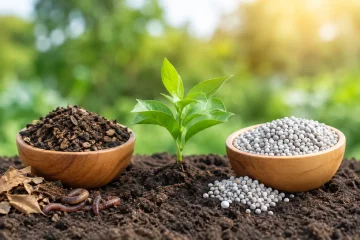
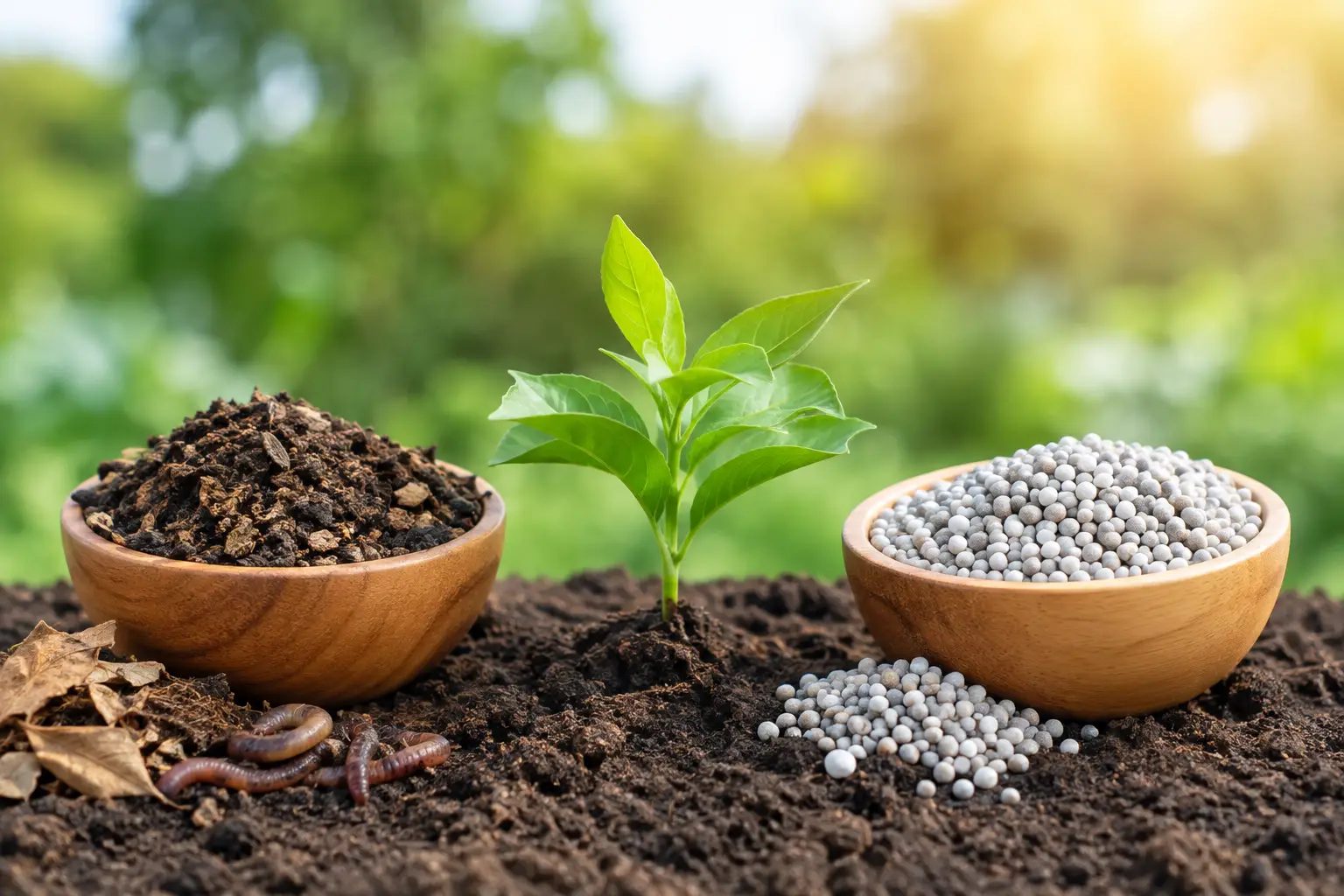
Organic fertilizers are derived from plant, animal, or naturally occurring mineral materials. Common examples include compost, manure, fish emulsion, bone meal, feather meal, seaweed extracts, and certain rock-based amendments. Their nutrients are often released as soil organisms break down the material.
Synthetic fertilizers are manufactured or chemically processed nutrient products, typically supplied in precise nutrient grades. Urea, ammonium sulfate, monoammonium phosphate, diammonium phosphate, and potassium chloride are widely used examples. They are valued for predictable analysis, concentrated nutrients, and fast availability when correctly applied.
| Factor | Organic fertilizers | Synthetic fertilizers | |—|—|—| | Nutrient release | Usually gradual and biology-dependent | Often rapid and predictable | | Nutrient concentration | Generally lower | Generally higher | | Soil organic matter | Can contribute to soil carbon and structure | Does not directly add organic matter | | Application volume | Often higher per acre | Usually lower per acre | | Nutrient precision | Can vary by material and batch | High, with labeled nutrient grades | | Logistics | May require more storage and hauling | Easier to transport in concentrated form | | Best fit | Long-term soil programs and organic systems | High-demand crops and precise nutrient correction |
Neither category is automatically better. A fertilizer that performs well in a biologically active loam may be too slow for a cold spring field. A highly soluble product may correct a deficiency quickly but require careful management near waterways or during heavy rainfall periods.
How Organic Fertilizers Perform in Commercial Production
Organic inputs work through a combination of nutrient supply and soil-building effects. Compost and well-managed manure can improve aggregate stability, water infiltration, and moisture retention over time. Those benefits matter where soil compaction, erosion, or low organic matter is limiting production.
The trade-off is that nutrient availability is less immediate and less uniform than with conventional soluble products. Nitrogen from composted materials, for example, may become available slowly, while fresh or improperly handled manure can carry nutrient variability, weed seeds, pathogens, or high salt levels. Buyers should request a current nutrient analysis rather than relying on a generic product description.
When organic inputs make business sense
Organic fertilizers are often a strong commercial fit for certified organic operations, perennial crops, specialty horticulture, and farms investing in long-term soil improvement. They can also complement conventional programs where growers need to build organic matter or make productive use of local livestock manure and food-processing byproducts.
Their economics should be calculated by available nutrients, not by purchase price per ton. Freight, spreading, storage, moisture content, and application labor can change the true delivered cost substantially. A low-cost bulk amendment may become expensive when hauling distances are long.
How Synthetic Fertilizers Support Precision and Speed
Synthetic fertilizers allow growers to apply specific nutrient ratios in relatively small volumes. That precision is especially valuable for row crops, fertigation systems, hydroponics, nurseries, and any operation responding quickly to tissue-test or soil-test results.
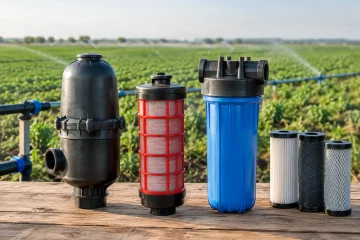
Nitrogen, phosphorus, potassium, sulfur, and micronutrients can be selected in forms that suit the crop stage and application method. A fertigation program, for example, may use fully soluble products to deliver nutrients in frequent, measured doses. This supports uniform growth but requires compatible water quality, calibrated equipment, and close monitoring of electrical conductivity and pH.
The management risks to control
Fast nutrient availability is useful only when timing matches crop uptake. Excess nitrogen can increase leaching risk, promote overly vegetative growth, or reduce fruit quality in some crops. Phosphorus applied beyond crop need can contribute to runoff losses, while fertilizer placed too close to seed or roots may cause salt injury.
Synthetic fertilizers do not inherently damage soil, but a program based only on soluble nutrient replacement can overlook soil structure, biology, and organic matter. Commercial growers often address this by pairing mineral nutrition with cover crops, residue management, compost, or other soil-health practices.
Key Buying Criteria for Fertilizer Programs
A purchase decision should begin with a nutrient plan, not a product catalog. Soil tests, tissue analysis, expected yield, irrigation method, field history, and crop rotation provide the foundation for comparing offers. For importers and distributors, these same factors help define the specifications customers actually need.
Before confirming a supplier, assess the following:
- Guaranteed analysis and nutrient forms, including secondary and micronutrients where relevant.
- Batch consistency, moisture level, particle size, and solubility for the intended application method.
- Certificates, safety documentation, contaminant limits, and compliance with destination-market rules.
- Packaging options, minimum order quantities, lead times, and storage requirements.
- Delivered cost per pound of plant-available nutrient, not simply cost per bag or ton.
- Supplier capacity to provide consistent quality across the full season.
For organic materials, ask whether nutrient values are based on a recent laboratory analysis and whether the product has been composted, stabilized, screened, or pelletized. For synthetic products, verify compatibility with blending, irrigation equipment, tank mixes, and local application regulations.
Choosing Between Organic and Synthetic Fertilizers
The most effective approach is frequently a blended strategy. Organic materials can support soil condition and gradual nutrient cycling, while synthetic products can meet peak demand at planting, flowering, fruit fill, or other critical crop stages. This is not a compromise for its own sake. It is a way to match nutrient release with the biology and economics of production.
| Production situation | Practical fertilizer approach | Why it fits | |—|—|—| | High-value greenhouse vegetables | Mostly soluble synthetic nutrition, with organic substrate management where appropriate | Precise fertigation and fast crop response are critical | | Organic-certified vegetables | Approved composts, meals, mineral amendments, and biological inputs | Certification requirements limit input choices | | Broad-acre grain production | Soil-test-based mineral fertilizer plus cover crops or manure where available | Balances scale, timing, and soil stewardship | | Orchards and vineyards | Organic matter additions plus targeted mineral nutrients | Perennial root zones benefit from long-term soil management | | Degraded or low-organic-matter soils | Compost, manure, cover crops, and targeted nutrient correction | Addresses physical soil constraints alongside fertility |
Consider climate, soil temperature, and water management
Organic nutrient mineralization slows when soils are cold, excessively dry, waterlogged, or biologically inactive. A grower relying on an organic nitrogen source in early spring should plan for that lag. Synthetic nitrogen may provide a more dependable early-season response, but it also demands tighter placement and irrigation management.
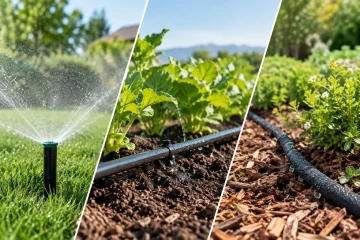
Sandy soils with limited nutrient-holding capacity can lose readily available nutrients quickly. Split applications, controlled-release products, fertigation, and organic matter improvements may all be part of the solution. Heavy clay soils may retain nutrients well but face runoff and compaction concerns, making placement and drainage equally important.
Sourcing Fertilizer With Fewer Surprises
For buyers, fertilizer sourcing should reduce risk rather than add another variable to the growing season. Compare suppliers on technical documentation, delivery reliability, packaging integrity, and responsiveness when specifications change. A product with an attractive price but uncertain analysis or delayed delivery can cost far more than the initial saving.
Suppliers and exporters can strengthen buyer confidence by presenting clear nutrient grades, application guidance, origin information, available volumes, and quality-control processes. On a sector-focused marketplace such as Agricial, well-structured product information helps qualified buyers compare fertilizer options faster and start commercial conversations with better questions.
A Better Fertility Decision Starts With the Field
Choose fertilizers according to what the crop can use, what the soil can supply, and what your operation can apply accurately. Test before buying, calculate nutrients on a delivered and plant-available basis, and build supplier relationships that can support both routine orders and time-sensitive seasonal demand. The strongest fertility programs are not defined by organic or synthetic labels alone – they are defined by measurable crop performance, responsible nutrient use, and dependable execution.