How Grain Moisture Meters Protect Crop Value
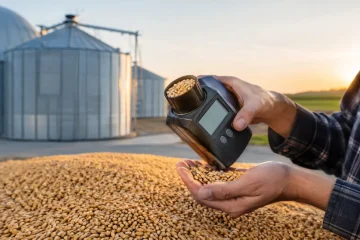
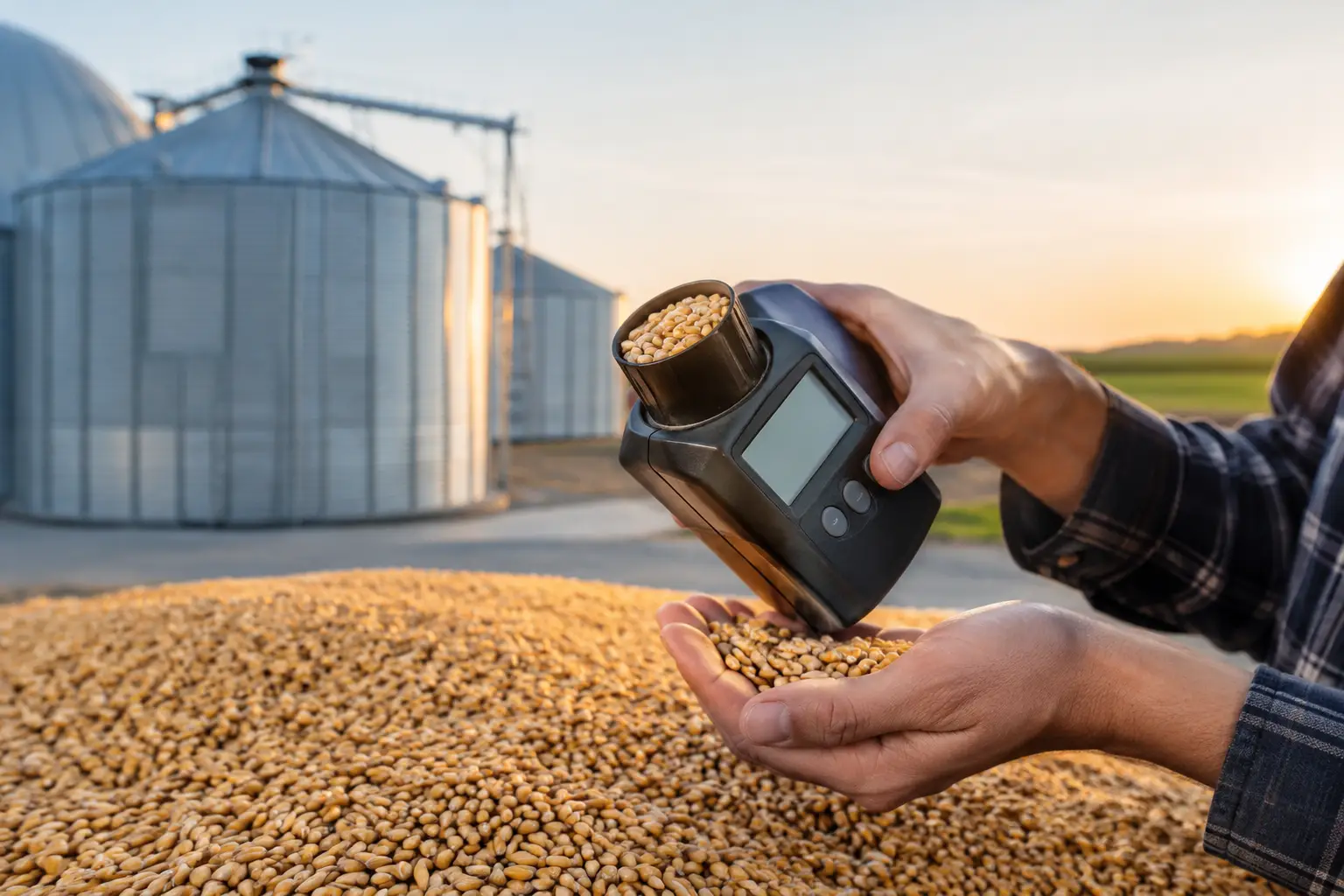
A truckload that tests just one or two moisture points above contract specifications can mean a dockage, added drying expense, rejected delivery, or a storage problem waiting to happen. Grain moisture meters give growers, elevators, traders, and exporters a fast way to make decisions before grain changes hands. For commercial operations, the right reading is not simply a quality number. It is protection for inventory, margins, buyer relationships, and food safety.
Why Moisture Testing Drives Grain Profitability
Grain moisture affects nearly every stage of the post-harvest chain. Crops harvested too wet may require drying before safe storage. Crops stored at excessive moisture can develop heating, mold, insects, and mycotoxin risk. Grain delivered too dry may lose saleable weight and reduce revenue, especially when a buyer pays on a standard moisture basis.
The practical target depends on the crop, intended storage period, temperature, local climate, and buyer specification. Corn often needs to be dried for long-term storage, while wheat, soybeans, rice, barley, and oilseeds each have their own safe handling ranges. A meter does not replace a storage management plan, but it provides the measurement that plan depends on.
For exporters and distributors, moisture verification matters even more when grain travels through multiple handling points. A shipment can be tested at origin, at the elevator, before container loading, and on arrival. Consistent measurement methods reduce disputes and make quality documentation easier to defend.
How Grain Moisture Meters Work
Most portable meters estimate moisture by measuring how a grain sample changes an electrical property inside the instrument. The meter then converts that signal into a moisture percentage using crop-specific calibration data. Bench and laboratory systems may use more advanced methods and tighter sample control, but the principle is the same: compare the sample against a known moisture response.
The result is only as reliable as the sample and the operating method. Grain is rarely uniform. Moisture can vary between fields, truck compartments, bin layers, and even different areas of a single load. Taking one small sample from the top of a wagon may be fast, but it may not represent the lot being sold or stored.
The three main meter formats
| Meter type | Best fit | Main advantage | Trade-off | |—|—|—|—| | Portable hand-held meter | Farms, field checks, truck-side decisions | Fast, mobile, comparatively affordable | Accuracy depends heavily on sampling and calibration | | Portable bench meter | Farms, elevators, grain buyers | More consistent sample chamber and repeatable workflow | Requires a stable work area and more careful cleaning | | Commercial or laboratory analyzer | Elevators, processors, exporters, testing labs | High throughput, traceability, and tighter quality control | Higher purchase price and training requirements |
A hand-held model can be the right commercial choice for a grower who needs quick harvest decisions. A busy elevator receiving hundreds of loads needs repeatability, audit records, and speed under pressure. Buying more meter than the workflow requires adds cost, while buying too little can create disputes and slow receiving.
What to Compare When Buying Grain Moisture Meters
The best grain moisture meter is not necessarily the one with the longest crop list or the lowest price. It is the one that produces dependable readings for the grains your business handles, under the conditions where you work.
Crop calibrations and measurement range
Start with the actual commodities in your operation. Confirm that the meter supports the varieties and grains you buy, grow, store, or export. Common calibrations include corn, wheat, soybeans, rice, barley, oats, canola, sunflower, and sorghum. Specialty pulses, coffee, nuts, or regional crops may require dedicated calibrations.
Ask whether calibrations are preloaded, adjustable, or available through updates. A broad crop menu has little value if the meter lacks a reliable calibration for the commodity that drives your revenue.
Accuracy, repeatability, and official methods
Manufacturers may state accuracy figures under controlled conditions. In real use, repeatability can be just as valuable. If the same representative sample produces noticeably different results across repeated tests, the instrument will not support confident buying or storage decisions.
Where a contract, warehouse receipt, or export program requires an official moisture method, use the approved reference process for final settlement. A portable meter is excellent for operational control and screening, but it may not be the final authority in every commercial transaction. Establish this point before a dispute occurs.
Temperature correction and sample condition
Grain temperature affects electrical moisture measurements. Grain fresh from a dryer, cold from winter storage, or warmed in a truck can produce misleading results unless the meter compensates for temperature or the sample is allowed to stabilize.
Consider the sample condition too. Broken kernels, foreign material, dust, and uneven grain size can influence a result. Some instruments need whole kernels, while others require a ground sample for better consistency. Grinding generally takes more time but can improve uniformity for certain applications.
Workflow features that save time
For commercial users, small design details shape daily productivity. Useful features may include:
- Crop selection with clear on-screen prompts
- Automatic temperature compensation
- Built-in test weight or bulk-density measurement
- Data storage by load, supplier, or location
- USB, Bluetooth, or software export options
- Replaceable sample cups and easy-clean chambers
A meter with recordkeeping capability can help an elevator compare incoming loads, identify recurring quality issues, and document why a load was accepted, dried, or discounted. For exporters, stored readings can support internal quality checks before cargo is committed.
Accurate Testing Starts With a Representative Sample
Even premium equipment cannot correct a poor sampling process. Sample grain from multiple points in a truck, bin, auger stream, or lot, then combine and mix it before testing. For a large bin, moisture may differ between the center, sidewalls, top, and lower layers.
Use clean, dry containers. Avoid testing grain immediately after moving it from a very hot or cold environment when possible. Follow the meter’s required fill level, packing method, and test time. After each test, clean the chamber so kernels or dust from a previous crop do not affect the next reading.
A practical verification routine
Commercial teams should verify their meter routinely against a trusted reference, particularly before harvest, before major buying periods, and whenever readings seem unusual. Keep a simple log showing the date, crop, meter reading, reference reading, operator, and any adjustment made.
This routine protects both sides of a transaction. It helps farmers avoid unnecessary drying, while buyers can apply quality standards consistently. If multiple facilities or field teams use different units, cross-check them with the same sample so a load does not receive conflicting results at different locations.
Common Buying Mistakes to Avoid
Price-only purchasing is a frequent mistake. An inexpensive meter that does not support your primary crops, has no service path, or drifts without warning can cost more than a higher-quality option through rejected loads and incorrect drying decisions.
Another mistake is treating moisture as a stand-alone quality measure. Moisture does not reveal everything that matters in a grain transaction. Test weight, damage, foreign material, protein, falling number, odor, insects, and mycotoxin risk may also affect value depending on the commodity and market.
Finally, avoid assuming a single reading represents an entire shipment. A sound process includes defined sampling locations, repeat tests where needed, documented results, and a clear rule for resolving differences between seller and buyer equipment.
Finding the Right Supplier for Your Operation
When comparing equipment suppliers, ask about calibration support, repair turnaround, spare parts, operator training, warranty coverage, and local service availability. A meter that is accurate on day one but difficult to maintain during harvest is not a dependable business tool.
For buyers sourcing across regions, compare more than product specifications. Confirm voltage requirements, measurement units, supported crops, shipping protection, documentation, and after-sales support. Agricultural marketplaces such as Agricial can help businesses compare relevant equipment providers and begin direct supplier conversations without wasting time on general-purpose directories.
The most useful meter is the one your team will sample with correctly, verify regularly, and trust when a crop decision cannot wait. Treat moisture measurement as part of your quality system, not a last-minute check at the scale, and every load will be easier to store, price, and move with confidence.