Why Verified Farm Supplier Profiles Matter
A missed delivery of irrigation parts during planting week does more than cause a delay. It can stall labor, disrupt input schedules, and raise costs across the entire operation. That is why verified farm supplier profiles matter. In agriculture, supplier information is not just a directory detail. It is part of risk control, sourcing speed, and commercial trust.
For buyers, importers, growers, and distributors, the real challenge is rarely finding a supplier name. The challenge is knowing whether that business is legitimate, active, and ready to fulfill a serious inquiry. For suppliers, the challenge is different but just as urgent. They need a way to show credibility quickly so buyers do not move on to the next listing. A verified profile helps both sides make decisions with more confidence and less wasted time.
What verified farm supplier profiles actually do
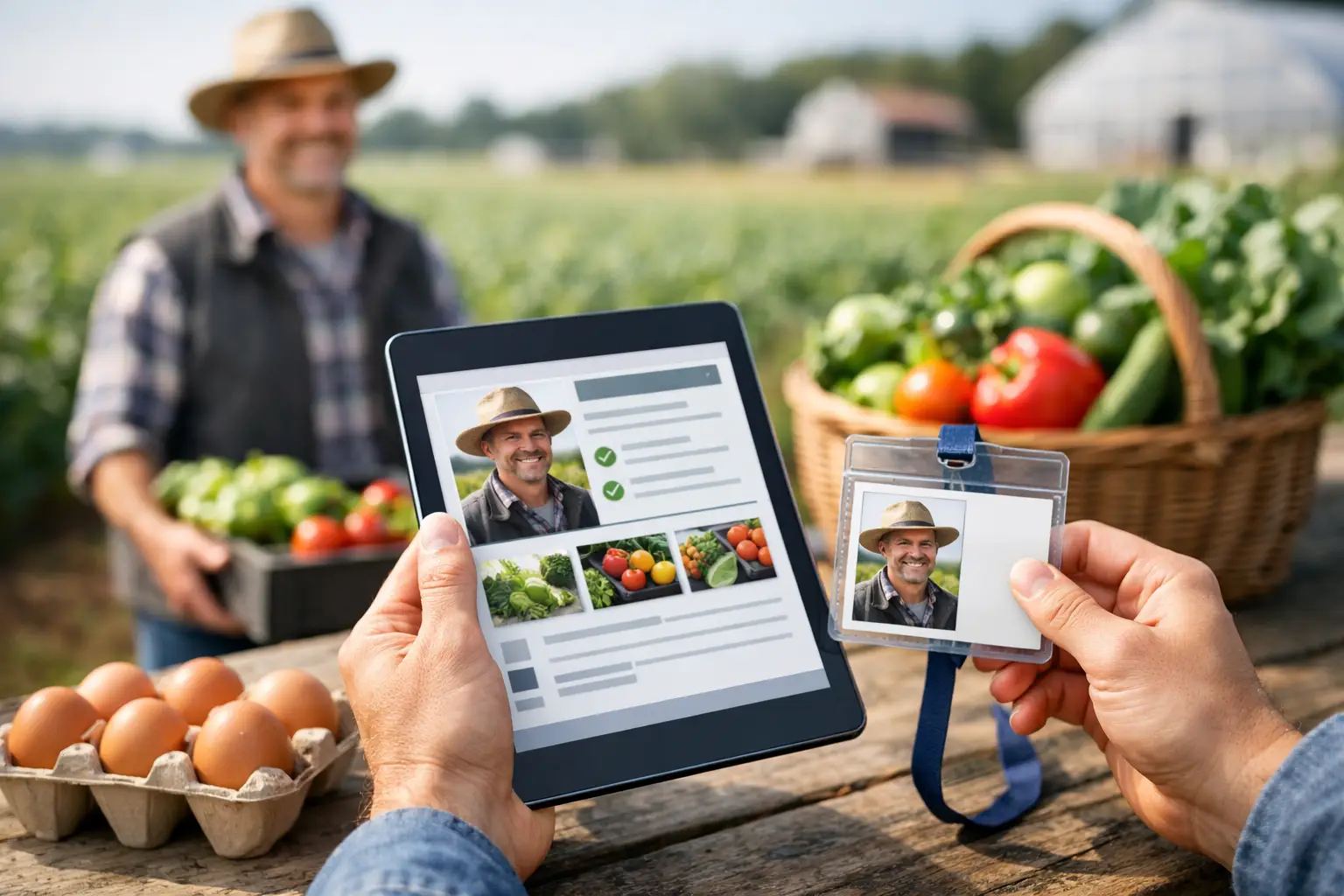
A supplier profile becomes valuable when it moves beyond basic contact details. Verification adds a trust layer that helps buyers assess whether the company behind the listing is real, reachable, and commercially relevant. That can include business identity checks, category alignment, product relevance, and profile completeness.
In practical terms, verified farm supplier profiles help reduce one of the biggest problems in agricultural sourcing – uncertainty. Buyers often compare vendors across regions, price points, and product types. If one supplier has a complete and verified presence while another has only a name and phone number, the difference is immediate. One looks procurement-ready. The other creates friction.
This matters across categories. A fertilizer distributor checking bulk supply options, a farm looking for greenhouse equipment, or an importer reviewing seed companies all need enough profile data to decide whether a conversation is worth starting.
Why verification matters in agricultural trade
Agriculture is not a simple retail transaction. Orders can involve seasonal deadlines, technical specifications, export paperwork, logistics coordination, and after-sale support. A weak supplier match can cost much more than the product price.
Trust is part of the buying decision
In many agricultural purchases, especially B2B transactions, buyers cannot inspect the supplier in person before making contact. They rely on digital signals. Verification helps provide those signals. A verified supplier profile suggests that the business has taken steps to present itself transparently and meet platform standards.
That does not guarantee perfect performance, and buyers should still conduct commercial due diligence. But it gives them a stronger starting point than an unverified listing with limited information.
Speed matters when timing is tight
Agricultural procurement often runs on narrow windows. A delayed pump, the wrong livestock feed specification, or an unreliable exporter can affect an entire production cycle. Verified profiles make it easier to compare suppliers quickly because key information is already organized and visible.
Instead of spending days confirming whether a company is active, buyers can focus on product fit, lead times, order minimums, and shipping options.
Verified vs unverified supplier profiles
The difference between a verified and unverified profile is not cosmetic. It directly affects how easily a buyer can evaluate risk and move forward.
| Profile element | Verified supplier profile | Unverified supplier profile | |—|—|—| | Business identity | Checked against platform requirements | May be incomplete or unclear | | Contact confidence | Higher likelihood of valid business contact details | More uncertainty around responsiveness | | Product relevance | Usually aligned with listed categories and offerings | May be broad, vague, or outdated | | Buyer trust | Stronger first impression for inquiries and quotes | Lower initial confidence | | Shortlisting speed | Faster comparison and decision-making | More manual checking required |
A verified profile does not replace technical evaluation, samples, references, or contract review. What it does is improve the quality of the first filter. That is a major advantage in marketplaces where buyers may review several vendors in a short period.
What buyers should look for in verified farm supplier profiles
A verification badge alone is helpful, but serious sourcing decisions need more context. The best profiles support both trust and usability.
Clear business identity
Buyers should be able to understand what the company does within seconds. Is it a seed exporter, irrigation equipment supplier, tractor parts distributor, agricultural consultant, or feed manufacturer? If the core business is not obvious, the profile creates friction.
Relevant product and service categories
Strong profiles are category-specific. They do not try to serve every agriculture segment at once. A supplier that clearly lists drip irrigation systems, filtration units, and fittings is easier to evaluate than one that claims to sell everything from poultry equipment to crop nutrition and tractors.
Commercial details that support action
Useful profiles often include service regions, business type, product focus, and company background. This helps buyers decide whether to request a quote, ask technical questions, or keep comparing.
The most effective verified farm supplier profiles usually include:
- Accurate company name and business type
- Category-specific product or service details
- Active contact information
- Geographic market or export coverage
- A clear description of capabilities
These details save time because they reduce back-and-forth before the first real conversation.
Why suppliers benefit from being verified
Verification is not just a buyer convenience feature. It is a commercial asset for suppliers that want more qualified inquiries.
When buyers compare multiple listings, credibility often shapes who gets contacted first. A verified profile can improve visibility, strengthen first impressions, and help serious suppliers stand apart from low-detail listings.
Better lead quality
A well-built verified profile attracts buyers who understand what the supplier offers. That means fewer irrelevant inquiries and more conversations tied to actual demand.
Stronger positioning in competitive categories
Some agricultural categories are crowded, especially seeds, fertilizers, machinery parts, and irrigation products. Verification helps suppliers compete on trust, not only price. That matters because many buyers are not looking for the cheapest option. They are looking for the supplier least likely to create costly problems.
More efficient sales conversations
If a profile already answers basic questions about location, product category, and business scope, sales teams can spend more time discussing specifications, quantities, and delivery terms.
Where verified profiles add the most value
Not every transaction carries the same level of risk, but verified profiles are especially useful in cases where timing, compliance, and product accuracy matter.
| Agricultural application | Why verification helps | |—|—| | Input sourcing | Buyers can compare fertilizer, seed, and crop protection suppliers with more confidence | | Equipment procurement | Clear supplier identity helps with machinery, parts, and irrigation system evaluation | | Export and import trade | Verification supports trust when working across borders and time zones | | Technical services | Buyers can assess consultants, installers, and service providers more efficiently | | Multi-supplier comparison | Shortlisting becomes faster when profile quality is consistent |
For example, an importer sourcing produce handling equipment may care most about export experience and category focus. A local farm sourcing replacement sprayer parts may care more about response speed and product specificity. In both cases, profile verification helps narrow the field.
The limits of verification
Verification improves trust, but it is not a substitute for procurement discipline. That distinction matters.
A verified supplier can still be the wrong fit if lead times are too long, minimum order quantities are too high, or technical specifications do not match the buyer’s needs. Likewise, an unverified supplier is not automatically unreliable. Some newer or smaller businesses may simply have incomplete digital presence.
That is why smart buyers treat verification as one part of a larger decision process. It helps answer, “Is this supplier credible enough to engage?” It does not answer every question about performance, pricing, or compatibility.
How marketplaces make verification more useful
Verification works best when it sits inside a platform built for agricultural commerce rather than a general business directory. Category structure, searchable listings, quote requests, and industry-specific visibility all increase the practical value of verified supplier data.
On a sector-focused marketplace such as Agricial, buyers are not sorting through unrelated companies to find farm-relevant vendors. They can move directly into agricultural categories, compare supplier profiles, and evaluate commercial options with less noise. That improves discovery and makes verification more meaningful because it supports a real sourcing workflow.
For suppliers, this kind of environment also creates stronger alignment. Their profile is seen by users actively looking for agricultural products, services, and partnerships instead of a broad audience with mixed intent.
Verified farm supplier profiles are a better starting point
Agricultural business moves on trust, timing, and fit. Buyers need enough confidence to make contact. Suppliers need enough credibility to earn that contact. Verified farm supplier profiles help close that gap.
They will not replace technical checks or commercial negotiation, and they should not. What they do is make the first stage of sourcing more efficient, more transparent, and more likely to lead to productive business conversations. In a market where a poor supplier match can ripple through operations, that is not a small advantage. It is a better place to start.