Which Irrigation System Saves Water Most?
A field can lose a costly share of applied water before crop roots ever use it. Wind carries spray away, bare soil evaporates moisture, and uneven pressure leaves one zone thirsty while another is overwatered. So, which irrigation system saves water? In most row-crop, orchard, vineyard, and high-value vegetable applications, properly designed drip irrigation delivers the highest water-use efficiency. But the best commercial choice still depends on crop spacing, soil texture, terrain, labor capacity, water quality, and the cost of managing the system over time.
For growers and agricultural buyers, the decision should not stop at a claim of water savings. The right system must place water accurately, support crop yield and quality, operate reliably, and deliver a return that fits the farm’s production model.
Which Irrigation System Saves Water Most?
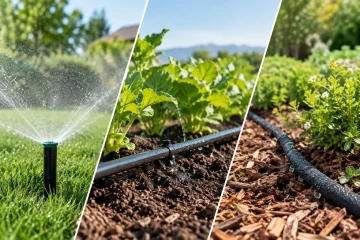
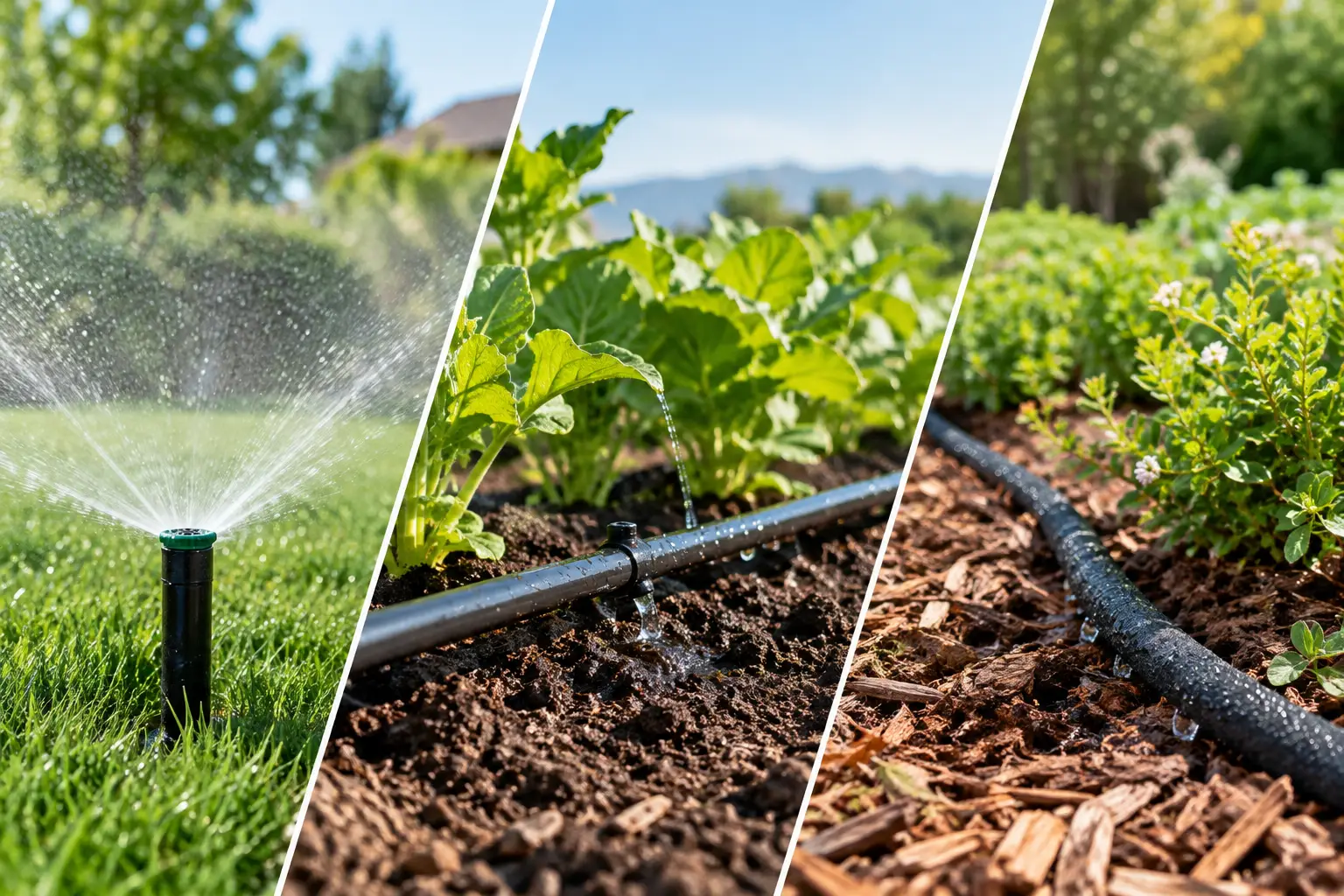
Drip irrigation, also called trickle irrigation, generally saves the most water because it applies small, controlled volumes directly to the root zone. Rather than wetting an entire field surface or spraying water into the air, drip lines release water through emitters placed near each plant or row.
A well-managed drip system can reduce losses from evaporation, runoff, wind drift, and deep percolation. It also allows frequent, low-volume irrigation cycles that keep root-zone moisture more consistent. This is especially valuable where water is limited, pumping costs are high, or crops have a high market value per acre.
That does not mean drip is automatically the best answer for every operation. Large broadacre farms, forage producers, and growers with frequent equipment traffic may find center pivots or other mechanized systems more practical. Water savings only become real when the equipment is designed, maintained, and scheduled correctly.
Water-Saving Performance by Irrigation Type
The comparison below gives a practical view of the major systems used in commercial agriculture. Actual efficiency varies with design quality, local weather, field management, and maintenance.
| Irrigation system | Typical water efficiency potential | Best-fit applications | Main advantage | Key limitation | |—|—:|—|—|—| | Drip irrigation | 85-95% | Vegetables, orchards, vineyards, berries, greenhouse crops | Delivers water directly to roots | Filtration and maintenance are essential | | Subsurface drip irrigation | 90-95% | Field crops, alfalfa, processing tomatoes, permanent beds | Very low evaporation and no surface wetting | Higher installation cost and harder repairs | | Micro-sprinkler | 75-90% | Orchards, nurseries, frost protection applications | Covers a wider root area than drip | Wind and evaporation can increase losses | | Center pivot with low-pressure drops | 75-90% | Corn, soybeans, potatoes, forage, broadacre crops | Covers large areas with less labor | Less precise than drip; capital cost can be high | | Conventional sprinkler | 60-75% | Pasture, field crops, temporary irrigation | Flexible and widely available | Wind drift and evaporation reduce efficiency | | Surface or flood irrigation | 40-70% | Level fields, rice, gravity-fed systems | Low energy requirements in some locations | Can create runoff, uneven application, and deep losses |
These ranges are planning benchmarks, not guarantees. A clogged drip emitter can waste more water than a well-run pivot, while a sprinkler system operating at night with correctly matched nozzles can perform far better than one running in midday wind.
Why Drip Irrigation Usually Uses Less Water
Water reaches the active root zone
Drip irrigation applies water where crop roots can access it, rather than saturating pathways, field edges, or large areas of bare ground. This is particularly useful in widely spaced crops such as citrus, almonds, grapes, apples, and tomatoes. Growers can match emitter spacing and flow rate to plant spacing, soil type, and root development.
In sandy soils, smaller and more frequent irrigation events help limit water moving below the root zone. In heavier soils, slower application rates help prevent ponding and surface runoff. This level of control is one reason drip systems are frequently selected for water-constrained regions.
Evaporation and wind drift are lower
Sprinklers send water through the air. During hot, dry, or windy conditions, part of that water can evaporate or drift beyond the intended area. Drip irrigation minimizes these losses because water is released at or below the soil surface.
Subsurface drip goes a step further by placing drip tape or tubing beneath the soil. It can offer excellent water savings for certain row crops and permanent production beds, although it demands strong filtration, careful installation, and a clear plan for locating and repairing lines.
Fertilizer can be applied with more precision
Many drip systems support fertigation, where soluble nutrients are delivered in small doses through the irrigation network. When managed by a qualified agronomist or irrigation specialist, this can improve nutrient timing and reduce fertilizer losses beyond the root zone.
The commercial benefit is not simply using less water. It is producing more marketable yield per gallon applied while improving control over input costs.
When a Pivot May Be the Better Business Decision
A center pivot with low-pressure sprinkler packages may not match drip irrigation’s peak water efficiency, but it can be the smarter investment for large, uniform fields. Pivots are well suited to corn, soybeans, wheat, potatoes, forage, and other crops where installing seasonal drip tape or permanent drip infrastructure is not economical.
Modern pivots can improve water performance through low-elevation sprinkler application, pressure regulation, variable-rate irrigation, soil-moisture monitoring, and automation. Variable-rate systems are especially useful on fields with changing soil zones, slopes, or yield potential. They allow operators to apply less water in low-demand areas and avoid overwatering zones with heavier soil.
The trade-off is that pivots still wet foliage and soil surface, and their performance declines during strong wind. For buyers comparing systems, the key question is not whether a pivot can save water. It can. The question is whether its savings, labor profile, field coverage, and capital requirements outperform drip for the crops being grown.
Design and Management Decide the Real Savings
No irrigation technology saves water by itself. The greatest losses often come from poor design, neglected maintenance, and irrigation decisions based on habit instead of field data.
A water-efficient irrigation plan should account for these operating priorities:
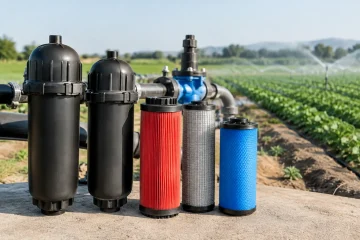
- Water source and quality: Sand, algae, iron, and mineral deposits can clog emitters. Drip and micro-irrigation systems need suitable filtration, flushing points, and water treatment where required.
- Pressure control: Uneven pressure creates uneven application. Use regulators, gauges, and regular pressure checks across the system.
- Soil monitoring: Soil-moisture sensors, tensiometers, probes, or manual soil checks help confirm when irrigation is needed and how deeply water has moved.
- Irrigation scheduling: Base run times on crop stage, weather, evapotranspiration demand, rainfall, and root depth rather than a fixed calendar.
- Leak and clog inspection: A small leak, broken nozzle, or blocked emitter line can quickly undermine efficiency and crop uniformity.
For commercial farms, automation can improve consistency, but only when the underlying system is calibrated. A controller cannot correct for incorrect flow rates, damaged tape, or poor zone design.
Selecting the Right System for Your Crop and Farm
Start with the crop’s value, planting pattern, and irrigation sensitivity. High-value crops that benefit from precise water and nutrient control often justify drip or micro-irrigation investment. Permanent orchards and vineyards can benefit from long-life drip or micro-sprinkler systems designed around mature root zones and future expansion.
For annual vegetable fields, drip tape is often a strong fit because it supports precise application and can be installed by bed or row. Buyers should compare tape wall thickness, emitter spacing, flow rate, filtration requirements, and expected service life rather than purchasing solely on price.
For large commodity fields, examine center-pivot options alongside subsurface drip. Subsurface drip can deliver high efficiency and may suit long-term field crop programs, but initial investment and maintenance risk are higher. Pivots may offer a faster route to broad coverage, easier field access, and lower daily labor needs.
Terrain also matters. Gravity systems can work well on carefully graded land with reliable water supply, but uneven fields may require significant leveling and water management. Steep or irregular land may favor zoned drip systems, pressure-compensating emitters, or smaller sprinkler blocks.
Source Equipment With the Full System in Mind
Irrigation performance depends on more than pipe or emitters. A complete commercial evaluation should include pumps, filters, valves, pressure regulators, controllers, fittings, injection equipment, monitoring tools, installation support, and access to replacement parts.
When requesting supplier quotes, provide acreage, crop type, row spacing, water source, available pressure, water quality data, field maps, elevation changes, and preferred automation level. This allows suppliers and irrigation consultants to develop comparable proposals instead of offering generic equipment packages.
Agricial helps agricultural businesses compare irrigation equipment suppliers, technical services, and sourcing options across markets, making it easier to identify partners that match the farm’s crop, scale, and operating requirements.
The most water-efficient system is the one that applies the right amount, in the right place, at the right time – and continues doing so through every production season. Treat irrigation as a managed production asset, not a one-time equipment purchase, and water savings can become a durable advantage in both yield performance and farm profitability.