How to Verify Pesticide Suppliers Before You Buy
A low price on a crop protection product can disappear quickly if the shipment is delayed, the label is invalid, or the active ingredient does not match what was ordered. Knowing how to verify pesticide suppliers protects more than your input budget. It protects crop performance, worker safety, regulatory compliance, and the reputation of your farm or distribution business.
Pesticides are regulated products with real handling, storage, and documentation requirements. A supplier that looks credible in a catalog may still lack the authorization, technical knowledge, or logistics controls needed to serve your market. The right verification process helps buyers compare suppliers on commercial value and operational reliability, not price alone.
How to Verify Pesticide Suppliers Step by Step
Begin by identifying the exact product and market requirements before contacting suppliers. The product name alone is not enough. Ask for the active ingredient, formulation type, concentration, pack size, crop use, target pest, country of manufacture, and intended destination. These details make it easier to spot vague offers and compare quotes accurately.
A professional supplier should be able to answer product-specific questions without relying on generic marketing language. If they cannot provide a current label, registration information, technical data, or a clear point of contact, treat that as an early warning sign.
Confirm the business identity
Start with the company behind the offer. Request its registered legal name, physical address, business registration number, tax identification details where applicable, and the name of the authorized sales representative. Compare these details with the supplier’s website, marketplace profile, invoice format, and email domain.
A legitimate agricultural supplier should have a consistent business identity across its commercial materials. A mismatch between the company named on a quote and the entity receiving payment deserves a direct explanation before you proceed.
For international transactions, also confirm whether the supplier is the manufacturer, an authorized distributor, an exporter, or a broker. Each role can be legitimate, but it changes the documentation you should request and the party responsible for product quality.
Verify licenses and product registration
In the United States, pesticide products generally must be registered with the Environmental Protection Agency before sale or distribution, unless a specific exemption applies. States may impose additional registration, dealer licensing, or application-related requirements. For products entering another country, the destination country’s pesticide authority sets the relevant rules.
Ask the supplier for proof that it is authorized to sell and distribute the product in your target market. Then check that the product registration, manufacturer name, and label details match the offer. Do not assume that a product approved in one country can be legally imported, sold, or used in another.
The following table shows what to verify and why it matters.
| Verification area | What to request | What it helps prevent | |—|—|—| | Business authorization | Company registration and applicable dealer or distributor license | Buying from an untraceable or unauthorized seller | | Product registration | Registration number and current product label | Importing or using an unapproved product | | Technical identity | Technical data sheet, safety data sheet, and certificate of analysis | Incorrect active ingredient, concentration, or formulation | | Export documentation | Export authorization, customs classification, and destination requirements | Border delays, rejected shipments, and compliance failures | | Manufacturing source | Manufacturer authorization letter or supply-chain confirmation | Counterfeit, diverted, or gray-market products |
Registration is not a one-time check. Labels, approved uses, registrations, and restrictions can change. Confirm the version date of the documentation, especially when purchasing seasonal volumes or planning an import program months in advance.
Check Product Quality and Traceability
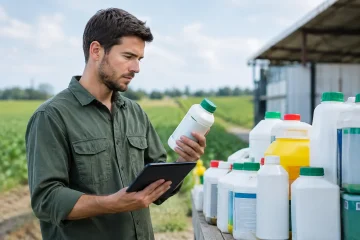
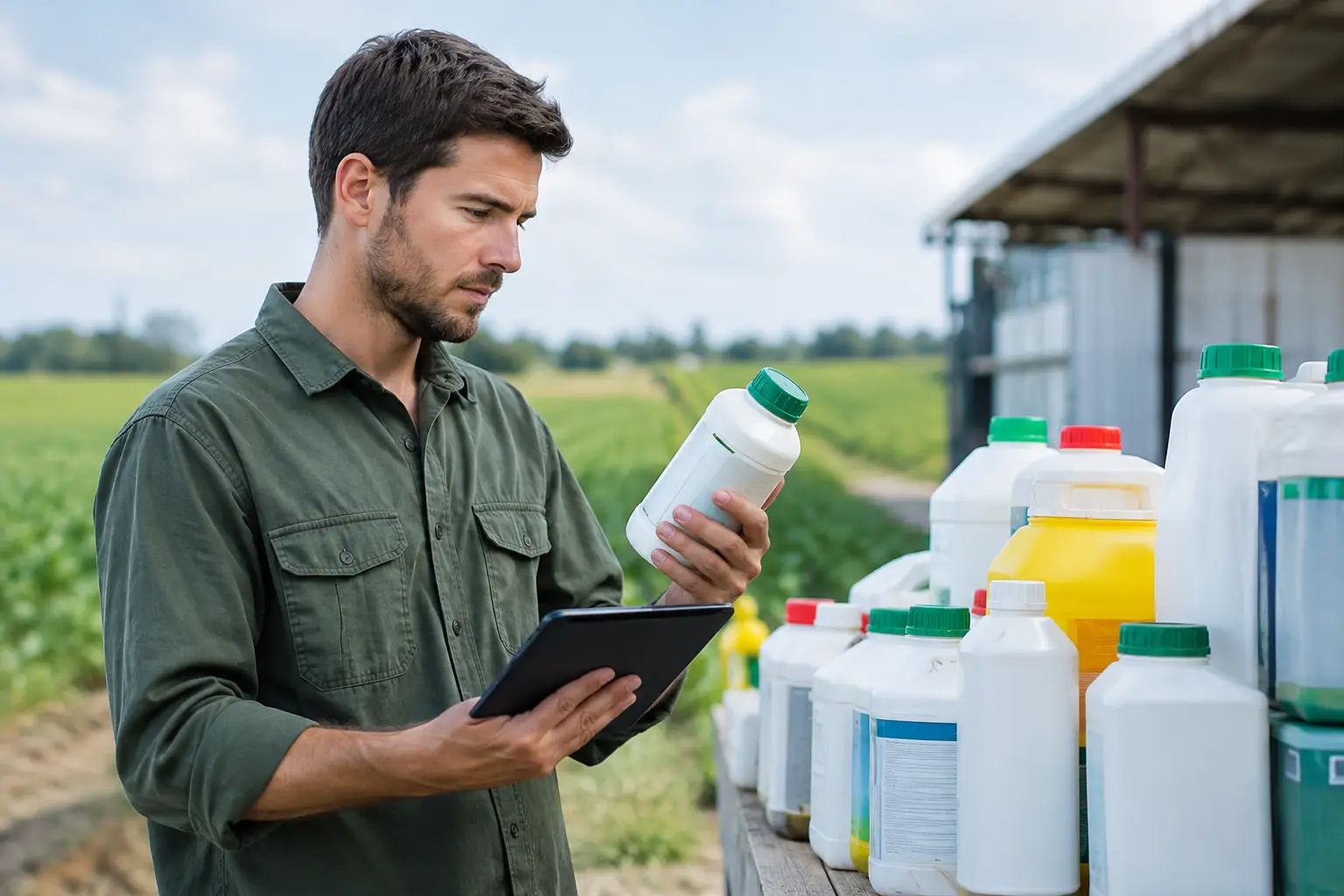
A pesticide quote should be supported by a document package, not just a product photo. At minimum, request the product label, safety data sheet, technical data sheet, certificate of analysis for the relevant batch or production lot, and product specifications. For larger orders, ask how the supplier handles batch retention, complaints, recalls, and damaged goods.
The certificate of analysis should align with the agreed specification. Look for the active ingredient concentration, relevant impurities where applicable, batch number, manufacturing date, test method, and authorized signature or quality approval. A document without a batch reference provides limited assurance for the shipment you will actually receive.
Review labels as a commercial document
The label tells you whether a product is usable in your market and whether the supplier understands regulated crop protection. Review the active ingredient, formulation code, signal word, approved crops, target pests, application rates, personal protective equipment requirements, storage instructions, and disposal directions.
Pay close attention to formulation. A 480 g/L suspension concentrate is not interchangeable with a 480 g/L emulsifiable concentrate, even if the active ingredient is the same. Formulation affects mixing behavior, application equipment, crop safety, transport classification, and field performance.
If you are buying for resale, confirm that the packaging and labeling meet the destination market’s language, unit, hazard communication, and registration requirements. Relabeling after arrival can create cost and legal exposure if it is not permitted or properly controlled.
Look for traceable packaging
Reliable suppliers can explain how their packaging identifies the product and batch. Inspect samples or detailed photos for lot codes, manufacturing and expiration dates, tamper-evident seals, label quality, container integrity, and consistent branding. Counterfeit products often show poor print quality, missing batch information, unusual seals, or labels that do not match approved documentation.
For high-value or recurring programs, consider a pre-shipment inspection or third-party laboratory testing. This adds cost, but it can be sensible when a failed shipment would disrupt planting, harvest protection, or a distributor’s seasonal commitments.
Screen Commercial Reliability Before You Pay
A compliant product does not automatically mean a dependable transaction. Review the supplier’s trading history, references, response time, payment terms, and ability to meet agreed delivery windows. Ask for references from buyers in similar crops, volumes, or destination markets, not just a general testimonial.
When requesting quotes through an agriculture-focused marketplace such as Agricial, compare supplier profiles, product details, and response quality alongside price. A complete profile and a clear quotation do not replace due diligence, but they can reduce search time and create a stronger starting point for supplier conversations.
Use staged risk controls when you are working with a new supplier. A smaller trial order, documented inspection terms, and payment structures tied to shipping documents can be more practical than committing to a full-season purchase immediately. The right approach depends on order value, supplier history, country risk, and the product’s urgency.
Questions that reveal supplier capability
Before issuing a purchase order, ask how the supplier stores temperature-sensitive products, which carrier handles hazardous materials, how they manage export documentation, and what happens if the delivered batch fails specification. Their answers should be specific and consistent with the product type.
Also ask who provides technical support after the sale. A capable supplier can clarify compatibility, storage life, label restrictions, and complaint procedures. They should not recommend off-label uses or make performance claims that conflict with the approved label.
Watch for These Supplier Red Flags
One concern may have an innocent explanation. Several concerns together usually justify stepping back. Be cautious when you see:
- Prices far below comparable market offers without a clear reason, such as volume, age of inventory, or formulation difference.
- Requests for full payment to a personal account, a different company, or an account in an unrelated jurisdiction.
- Missing, altered, expired, or inconsistent labels, safety data sheets, and registration documents.
- Refusal to identify the manufacturer, product batch, shipping method, or responsible legal entity.
- Pressure to bypass import permits, customs declarations, hazardous materials rules, or local product registration requirements.
- Claims that a product can be used on any crop or pest regardless of label directions.
Price gaps deserve investigation, not automatic rejection. A supplier may have direct factory access, lower packaging costs, or regional inventory. The question is whether that advantage can be documented without creating a quality or compliance risk for your business.
Build Supplier Verification Into Every Purchase
The strongest procurement teams make supplier verification repeatable. Keep a supplier file with licenses, labels, specifications, quotes, correspondence, shipment records, inspection results, and complaint history. Recheck critical documents before each major order, particularly if the formulation, manufacturer, destination, or shipping route changes.
For farms, this process helps ensure the product arriving at the gate is suitable for the crop plan. For importers and distributors, it creates an auditable record that supports customer trust and protects long-term market access. A supplier willing to be transparent before the sale is far more likely to be a partner you can build with after the shipment arrives.