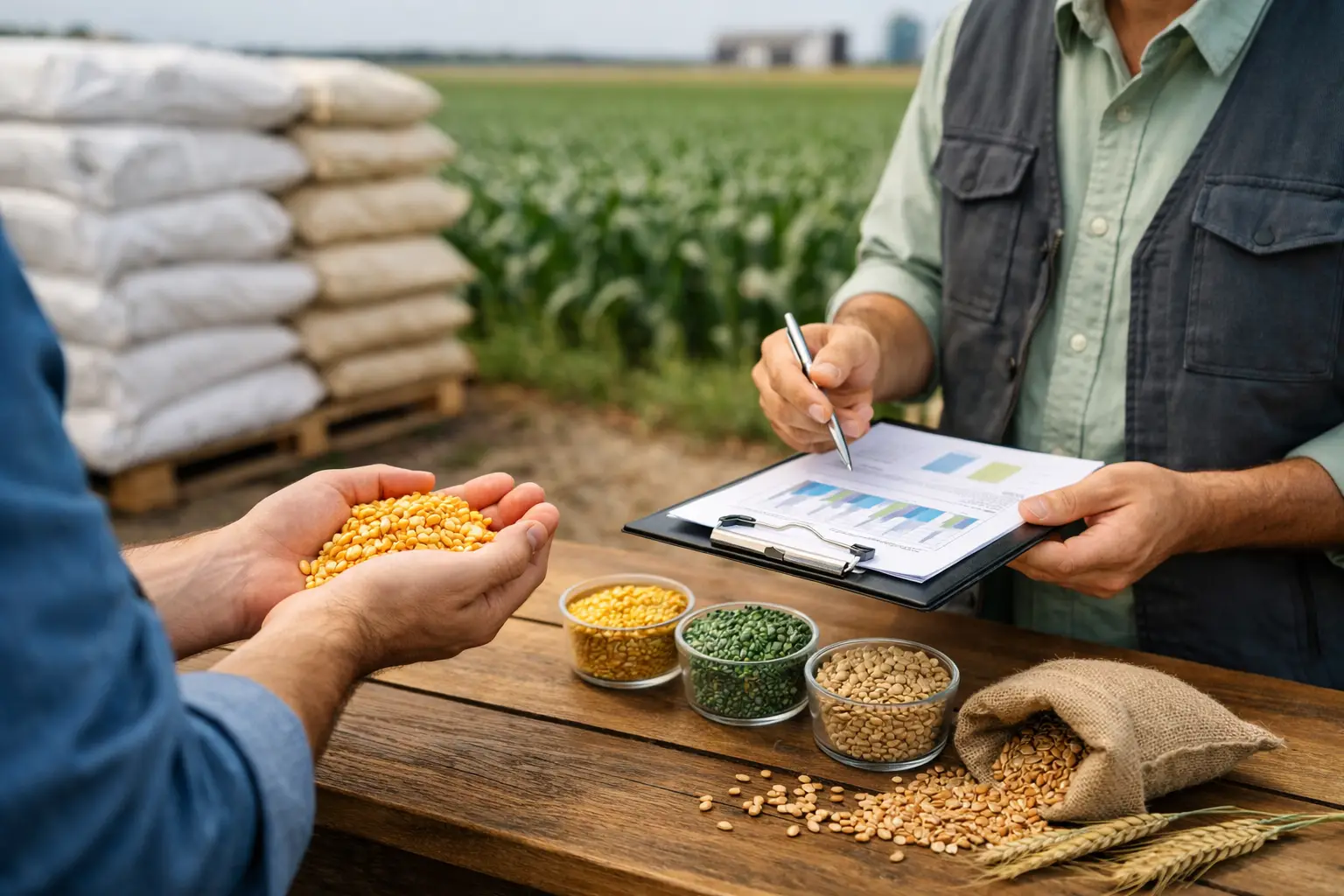
How to Choose Reliable Seed Distributors
A missed planting window can cost far more than a bad purchase price. When seed arrives late, lacks clear lot information, or fails to match the promised quality, the problem moves quickly from procurement to yield, scheduling, and customer commitments. That is why choosing the right seed distributors is not just a buying decision. It is a supply chain decision with direct impact on field performance and business results.
For growers, input dealers, nurseries, and agricultural buyers, the market is crowded. Some distributors offer strong regional availability and dependable logistics. Others compete on price but fall short on documentation, product consistency, or after-sales support. The real advantage comes from knowing how to separate a convenient seller from a reliable commercial partner.
What seed distributors actually do
Seed distributors sit between seed producers, breeders, and the end buyer. In some cases, they work as exclusive regional representatives for a brand. In others, they carry multiple product lines and supply a broad network of farms, retailers, contractors, and resellers. Their role is not limited to moving inventory. Good distributors help buyers access the right varieties, package sizes, treatment options, and delivery schedules for specific production needs.
That matters because seed is not a standard commodity in the same way as bulk fertilizer or generic materials. Variety selection, germination standards, seed health, storage conditions, and traceability all affect value. A capable distributor should be able to explain what they sell, how it has been handled, and why one option may suit a buyer better than another.
In commercial agriculture, the best distributors also reduce friction. They keep current stock information, manage seasonality, provide documentation quickly, and communicate clearly when substitutions or delays are possible. That kind of operational discipline saves time across the business.
Why supplier quality matters more than low pricing
Price always matters, especially when margins are tight. But with seed, the cheapest quote can become the most expensive option if quality or timing fails. A lower upfront cost may hide weaker storage practices, limited lot traceability, or poor support after delivery. When that happens, the buyer carries most of the risk.
Reliable seed distributors earn their value in three ways. First, they improve procurement confidence. Buyers can compare options based on real specifications instead of vague claims. Second, they reduce operational uncertainty through better stock planning and delivery communication. Third, they support stronger crop outcomes by supplying seed that aligns with target performance, local conditions, and intended use.
There are trade-offs, of course. A smaller distributor may offer more personal service than a large national supplier. A larger distributor may provide better reach, broader inventory, and stronger logistics. The right choice depends on your crop plan, order volume, geography, and how much risk your business can absorb.
How to evaluate seed distributors before you buy
A professional buying process starts with verification, not with the price sheet. Before requesting a quote, check whether the distributor is clear about product origin, brand relationships, certifications, and service territory. If a supplier cannot explain where the seed comes from or what standards apply, that is an early warning sign.
Ask direct questions about lot traceability, germination rates, purity, treatment status, and shelf life. Serious distributors should be comfortable discussing these details. They should also provide information on packaging, storage recommendations, and lead times. If the answers are inconsistent or delayed, expect the same pattern after payment.
Commercial buyers should also look at product fit, not just product availability. A distributor may carry a wide catalog, but that does not automatically make them a strong match. What matters is whether they understand your crop segment and can support the seed types you actually need, whether that is field crop seed, vegetable seed, forage seed, turf seed, or horticultural varieties.
Another useful check is responsiveness. Fast replies are not only about convenience. They often reflect how well the business is organized. Distributors that respond clearly, document quotations properly, and confirm supply terms in writing are usually better prepared for season-critical orders.
Key signs of a dependable seed distributor
The strongest seed distributors tend to share a few practical traits. They communicate inventory status honestly, even when stock is limited. They provide documentation without repeated follow-up. They know the difference between selling a product and supporting a successful purchase.
Look for distributors that can explain their sourcing structure. Do they buy directly from producers? Are they authorized by seed companies? Do they operate regional warehouses? These details help buyers assess continuity and risk. A distributor with a stable sourcing network is usually better positioned to handle demand swings and seasonal pressure.
It also helps to review how they manage issues. No supply chain is perfect. Delays, substitutions, and shipping problems can happen. What separates a dependable distributor is how they respond when conditions change. Clear escalation, timely updates, and practical solutions are signs of a partner worth keeping.
Customer mix can reveal a lot as well. If a distributor serves commercial farms, nurseries, dealers, and export markets, that often suggests stronger operational capability than a supplier focused only on spot sales. It does not guarantee quality, but it is a useful signal.
Common mistakes buyers make with seed distributors
One common mistake is treating all distributors as interchangeable. Two suppliers may offer the same crop category, yet differ significantly in storage quality, documentation, and fulfillment reliability. Another mistake is buying too late in the cycle, when the best lots or most suitable varieties are already committed.
Buyers also run into trouble when they focus only on headline specifications. Germination percentage matters, but it is not the whole story. Variety suitability, treatment compatibility, and seed handling conditions can be just as important. Without those details, comparisons become incomplete.
A third mistake is failing to confirm commercial terms early. Packaging format, minimum order quantities, payment terms, and replacement policies should be clear before the order is placed. When these basics are left vague, misunderstandings show up at the worst time.
Using digital marketplaces to compare seed distributors
Sourcing through fragmented contacts and disconnected websites takes time, and it limits visibility. For many agricultural buyers, a digital marketplace makes the evaluation process faster because it brings supplier discovery, category search, and quote comparison into one place.
This is especially useful when buyers need access to multiple regions or want to compare more than one distributor without restarting the process each time. A focused agriculture marketplace can help narrow options by category, product relevance, and supplier profile quality. That creates a more efficient starting point for commercial conversations.
For distributors, visibility matters just as much. A strong listing allows them to present product categories, service reach, and business credentials to qualified buyers already looking for agricultural inputs. In a market where trust and speed both influence decisions, that visibility supports real lead generation. Platforms such as Agricial are built around that practical need – helping agricultural businesses find each other faster and move from search to inquiry with less friction.
When regional knowledge matters most
Not every seed buying decision should be made on a global basis. In some cases, regional expertise matters more than broad inventory. Climate conditions, disease pressure, local regulations, and grower preferences can all shape what counts as the right seed choice.
That is why some buyers prefer distributors with deep local coverage, even if their product range is narrower. A regional distributor may know which varieties perform consistently in a specific production zone, which treatments are commonly requested, and how quickly deliveries can be made during peak demand. For time sensitive operations, that local advantage can outweigh a lower price from farther away.
At the same time, larger or international buyers may need broader sourcing options. If you manage procurement across multiple markets, wider distributor networks can help you standardize purchasing and reduce dependence on a single channel. Again, it depends on the structure of your business.
Build a supplier relationship, not just a transaction
The best results usually come from repeatable supplier relationships. Once you identify seed distributors that meet your standards, the next step is to build a process around them. That means sharing forecast demand earlier, documenting performance, and reviewing results after each cycle.
Over time, this creates better planning on both sides. The distributor gains clearer demand signals. The buyer gains stronger supply confidence and often better service. That does not mean staying locked into one source without comparison. It means managing your supplier base with intention instead of making every purchase from scratch.
Seed procurement works best when quality, timing, and communication are treated as business priorities, not last-minute details. The right distributor helps protect all three. If you choose carefully, you do more than fill an order. You give your operation a better chance to perform when timing matters most.