How to Find Agricultural Suppliers Online
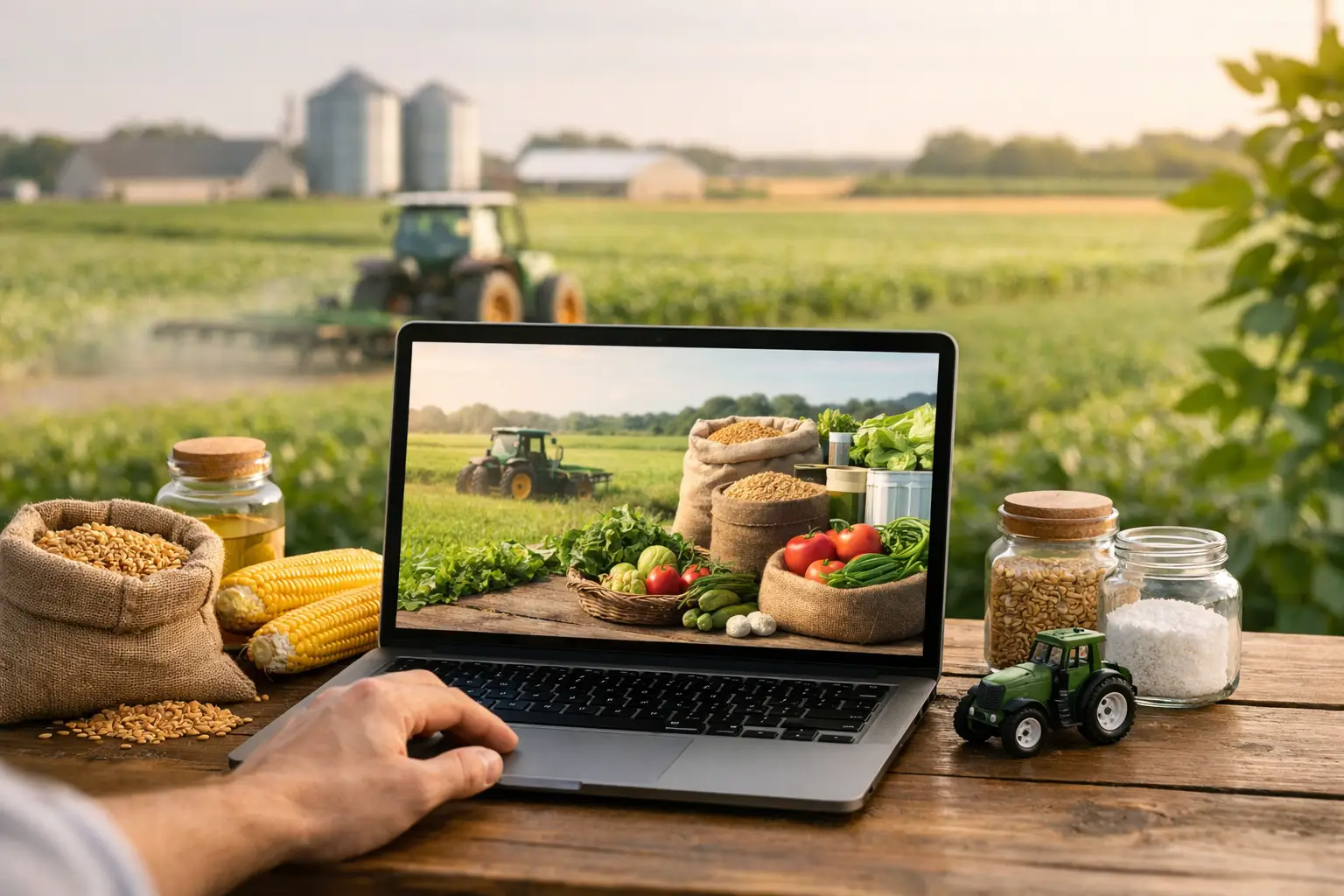
A delayed shipment of seed, a missing machinery part, or a fertilizer supplier that stops answering calls can slow down an entire season. That is why more growers, importers, and agribusiness teams now look to find agricultural suppliers online instead of relying only on local contacts or trade show conversations. The right online search can save time, widen your options, and put better pricing and stronger supplier relationships within reach.
The challenge is not access. It is filtering. There are thousands of listings, websites, marketplaces, and directories competing for attention, but not all of them are built for agricultural trade. If you are sourcing irrigation systems, livestock equipment, crop inputs, post-harvest tools, or consulting services, you need a process that helps you identify credible suppliers quickly and compare them on factors that matter in real operations.
Why businesses find agricultural suppliers online
Agricultural sourcing has become more complex. Buyers often need products across multiple categories, and many operations now compare regional and international options before making a purchase. Online supplier discovery gives businesses a wider field to work with, especially when local supply is limited, prices are volatile, or specialized products are hard to source through traditional channels.
It also changes the speed of decision-making. Instead of calling one contact after another, buyers can review supplier profiles, scan product categories, request quotes, and compare offers in a shorter time frame. For commercial farms and agribusinesses, that matters. A faster sourcing process supports tighter planning and reduces the risk of operational downtime.
Still, wider access creates a trade-off. More choice does not automatically mean better results. If the platform or directory is too general, supplier information may be thin, outdated, or disconnected from actual agricultural needs. That is why industry-specific sourcing channels tend to be more useful than broad business directories.
What to look for when you find agricultural suppliers online
The first step is knowing what a useful supplier profile looks like. A credible online presence should do more than display a company name and phone number. It should give you enough commercial detail to assess whether the business fits your needs.
Start with category relevance. A supplier that clearly lists products or services by agricultural use is easier to evaluate than one with vague claims. If you are buying greenhouse equipment, forage systems, livestock feed solutions, or precision farming technology, the supplier should be easy to place within that category. Clear specialization usually signals a more focused business.
Next, review the level of business information available. Look for product descriptions, service scope, operating regions, and direct inquiry options. If a listing includes verified or professionally maintained details, that improves confidence, but verification alone should not be your only filter. You still need to assess whether the supplier is commercially responsive and aligned with your purchase volume, location, and timeline.
Responsiveness matters more than many buyers expect. A supplier might look established on paper but become difficult once you request pricing, lead times, or documentation. Online sourcing works best when the platform makes direct contact or quote requests simple, so you can test supplier responsiveness early in the process.
Build a smarter search process
Searching randomly wastes time. The better approach is to define your sourcing requirement before you begin. That means being clear on the product type, technical specifications, quantity, delivery region, and whether you need one-time supply or an ongoing relationship.
For example, a buyer looking for irrigation equipment should not search only for “farm supplier.” That query is too broad. A more effective search narrows by product and use case, such as drip irrigation suppliers, pivots, pumps, filters, or fertigation systems. The same logic applies to seeds, crop protection products, tractors, feed additives, veterinary supplies, and greenhouse structures. Specific searches bring up more relevant results and make comparison easier.
It also helps to separate must-haves from preferences. You may need export capability, product certifications, spare parts support, or technical consultation. You may prefer a nearby supplier, but if a regional or global source offers stronger stock availability and better after-sales support, that may be the better business decision. Good online sourcing is not just about lowest price. It is about fit.
Use agricultural marketplaces and directories, not just search engines
A search engine can help you start, but it rarely gives you structure. You may find a mix of outdated websites, scattered catalogs, and companies with limited agricultural focus. A dedicated agriculture marketplace or commercial directory is usually more efficient because it organizes suppliers by real industry categories and supports comparison in a business-friendly format.
That difference matters when you are sourcing across multiple verticals. A platform built for agriculture lets you move from machinery to irrigation, livestock, seeds, fertilizers, or consulting services without starting over each time. It creates continuity in the sourcing process.
This is where a specialized marketplace such as Agricial fits naturally. Instead of pushing buyers through a generic directory experience, it brings together agricultural suppliers, exporters, service providers, and product categories in one searchable environment. That makes it easier for professionals to evaluate options, request quotes, and identify suppliers that are relevant to actual farm and agribusiness needs.
How to compare suppliers with confidence
Once you identify potential suppliers, comparison becomes the real work. Price is part of the picture, but it should not lead the whole decision. In agriculture, supply reliability and product suitability often affect profitability more than a small difference in unit cost.
Start by comparing product fit. Does the supplier clearly offer what you need, in the right specification and volume? Then look at commercial readiness. Can they handle your region, shipping requirements, or seasonal demand? Are they positioned for long-term supply, or only occasional transactions?
Documentation is another practical checkpoint. Depending on the category, you may need product data sheets, origin information, compliance records, or usage guidance. Serious suppliers should be prepared to provide this. If answers are vague or delayed, that is useful information. The goal is not to eliminate every supplier that moves slowly once. The goal is to see how they operate when real buying questions come up.
It is also worth comparing communication quality. Clear, direct replies are a strong signal in B2B sourcing. If one supplier answers technical questions precisely and another sends generic sales language, the difference will likely show up again after the purchase.
Red flags that should slow you down
Not every online supplier is ready for serious business. Some have minimal information, unclear product scope, or no visible sign of active trade. Others may overstate capabilities or list categories they do not really serve well.
Be cautious when a listing lacks detail, pricing discussions remain evasive, or the company cannot explain shipping terms and fulfillment timelines. A weak digital profile does not always mean the business is unreliable, especially in agriculture where some solid operators are still improving their online presence. But if weak information is paired with poor communication, proceed carefully.
Another red flag is mismatch. A supplier may be legitimate but wrong for your scale or market. A small local vendor may not support export documentation. A large exporter may not prioritize lower-volume buyers. Online sourcing works best when expectations are clear on both sides.
Make online sourcing part of long-term procurement
The biggest value in finding suppliers online is not only the first order. It is building a repeatable sourcing system. Once your business has a reliable method for identifying, comparing, and contacting suppliers, future purchasing becomes faster and more predictable.
That system can support more than emergency buying. It can help you benchmark prices before renewal, discover new categories as your operation grows, and reduce dependence on a narrow supplier base. For expanding farms, distributors, and input resellers, that flexibility creates commercial advantage.
It also opens the door to better partnerships. When you consistently source through well-structured agricultural channels, you are more likely to find suppliers who understand your sector, communicate clearly, and are prepared for ongoing business. That matters whether you are buying fertilizer in bulk, sourcing replacement parts, or looking for an agricultural consultant with the right regional expertise.
Finding the right supplier used to depend heavily on who you already knew. Now it depends more on how well you search, compare, and verify. If you treat online sourcing as a business process rather than a quick search, you put your operation in a stronger position to buy smarter, move faster, and grow with fewer gaps in the supply chain.