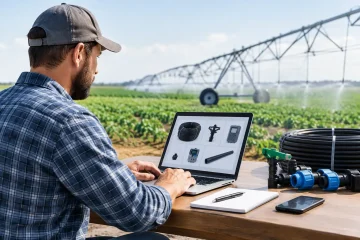

How to Screen Export Buyers Effectively
A promising inquiry can turn into a costly mistake fast. In agricultural trade, one buyer asking for a large volume of sesame, fertilizer, poultry equipment, or fresh produce is not automatically a good lead. If you want to know how to screen export buyers, the goal is simple – verify that the company is real, capable of paying, aligned with your market, and serious about doing business.
That matters even more in agriculture, where shipment timing, quality claims, phytosanitary requirements, and payment delays can quickly affect margins. A weak buyer screening process does more than create financial risk. It can tie up inventory, disrupt production planning, and waste valuable export capacity during peak trading windows.
Why learning how to screen export buyers matters
Exporters often focus on product quality, pricing, and logistics first. Those are essential, but buyer quality deserves the same attention. A buyer that cannot open a workable letter of credit, refuses basic company verification, or keeps changing destination details is a risk no matter how attractive the order looks.
In agriculture, buyer screening also protects your reputation. One bad transaction can lead to customs issues, rejected shipments, unpaid demurrage, or disputes over specifications. For growers, processors, and agricultural suppliers trying to expand internationally, stable buyers create repeat business. Unqualified buyers create noise, delays, and avoidable losses.
How to screen export buyers before sharing full terms
The first rule is to qualify before you quote deeply. Many exporters rush into price negotiations too early. A better approach is to collect enough commercial information first so you know whether the inquiry deserves time from your sales, operations, and compliance teams.
Start with company identity verification
Ask for the buyer’s full legal company name, registration number, country of incorporation, business address, website, and corporate email domain. A serious importer should be able to provide these quickly. If the buyer only uses free email accounts, gives vague address details, or avoids sharing registration data, that does not prove fraud, but it does raise the risk level.
Cross-check whether the company appears consistently across trade documents, tax records, directories, chamber listings, and import databases available in its market. Look for signs that the business actually operates in the agricultural category it claims. A company importing irrigation components should have a different commercial footprint than one buying bulk grains or livestock feed.
Check the buyer’s business fit
A real buyer is not always the right buyer. Confirm whether the company normally imports your type of product, in your packaging format, at your target volume, and under the destination country’s import rules.
This is where many exporters save themselves trouble. A buyer may be genuine but still unsuitable because it lacks cold chain capability, cannot manage port clearance, or wants quality parameters outside your normal production range. Screening is about fit as much as fraud prevention.
Ask practical transaction questions early
Before issuing a formal offer, ask how the buyer prefers to pay, what annual volume it handles, which ports it uses, whether it has imported from your region before, and what certifications it requires. The quality of the answers tells you a lot.
Serious buyers usually speak clearly about Incoterms, discharge ports, inspection needs, packaging, and payment structure. Weak buyers stay broad, avoid specifics, or push aggressively for credit terms before they have established trust.
A simple buyer screening framework
The easiest way to manage export risk is to review each buyer through the same commercial lens. That keeps your team consistent and makes it easier to decide who gets standard terms, tighter controls, or no offer at all.
| Screening area | What to check | Low-risk signal | Warning sign |
|---|---|---|---|
| Company identity | Registration, address, website, tax data | Verifiable legal entity with clear business presence | Inconsistent names, vague address, missing records |
| Trade fit | Product match, market experience, port capability | Imports similar agricultural goods regularly | Little evidence of category experience |
| Payment ability | Bank details, proposed terms, credit references | Accepts secure early-stage payment terms | Pushes for open account immediately |
| Communication quality | Responsiveness, clarity, documentation | Clear, prompt, commercially aware | Evasive, rushed, contradictory |
| Compliance readiness | Licenses, certifications, import requirements | Understands destination regulations | Unclear on permits or documentation |
This kind of framework works well for food exporters, input manufacturers, machinery suppliers, and agri-service firms alike. The exact checks may differ, but the logic stays the same.
Payment risk is where most screening decisions are made
A buyer can look legitimate and still become a bad customer if the payment structure is weak. That is why payment discussions should happen early, not after weeks of back-and-forth on product specifications.
Match payment terms to trust level
For first transactions, safer structures often include advance payment, partial advance with balance against documents, confirmed letter of credit, or other bank-supported methods depending on market conditions. Open account terms may help win business, but they should usually come later, after performance has been proven.
There is always a trade-off here. Tight terms reduce risk but may make you less competitive in some markets. Flexible terms may win the order but expose you to default. The right choice depends on shipment value, destination country, buyer history, and your own cash flow tolerance.
Request bank and trade references
Ask the buyer for bank details and trade references from recent suppliers. Not every company will provide full financial information, especially early in discussions, but credible buyers generally understand why references matter in cross-border trade.
If a buyer reacts defensively to standard due diligence, that is a signal in itself. Professional importers expect screening. Exporters should not apologize for protecting their position.
How to screen export buyers for operational reliability
Even when payment looks manageable, operational weakness can still damage the transaction. In agriculture, timing and handling conditions matter. A buyer that cannot coordinate inspections, manage cold storage, or clear goods efficiently can turn a good shipment into a dispute.
Review import experience and destination readiness
Ask whether the buyer has imported the same product before and whether it understands destination documentation requirements. For agricultural products, that may include phytosanitary certificates, fumigation records, certificates of origin, labeling rules, shelf-life standards, or residue-related documentation.
A buyer new to imports is not automatically a bad prospect. Some are building solid businesses. But if they are inexperienced, you may need tighter payment terms, more detailed written specifications, and closer document control.
Confirm product expectations in writing
Many export disputes start with assumptions. The buyer says “good quality,” while the seller defines quality according to local commercial norms. That gap becomes expensive once goods are in transit.
Screen buyers by how they handle specification alignment. Do they define grade, moisture, size, count, packaging, tolerance, and inspection method clearly? Or do they avoid detail and promise to “sort it out later”? Strong buyers reduce ambiguity. Weak buyers increase it.
Red flags that deserve immediate caution
Some warning signs appear again and again across export markets. One red flag alone may not kill the deal, but several together should slow the process down.
- The buyer resists sharing company registration details
- The company name on emails does not match bank or document details
- The buyer pushes for urgent shipment before normal checks are complete
- Payment terms are heavily one-sided from the first order
- Product requirements keep changing after pricing is discussed
- The destination, consignee, or payment route changes without a clear reason
- The buyer avoids video calls, documentation, or verifiable references
The key is not paranoia. It is discipline. Good exporters stay open to opportunity while keeping a structured approval process.
Using platforms and directories to improve buyer screening
Digital marketplaces and sector-focused directories can make screening faster because they give you a clearer starting point than random cold inquiries. In agriculture, that matters. Product category visibility, company profiles, and business context help you judge whether a lead fits your trade lane and commercial goals.
A specialized marketplace like Agricial can support this process by helping exporters discover category-relevant buyers and businesses in a more structured environment. That does not replace due diligence, but it can reduce search friction and improve lead quality compared with unfiltered outreach.
Build an internal rule for buyer approval
Screening works best when it is not left to instinct alone. Set internal thresholds for when a buyer is approved, conditionally approved, or declined. For example, a first-time buyer might only be approved for smaller trial orders with secure payment terms. A verified repeat buyer with strong performance may qualify for larger volumes or more flexible terms.
This creates speed without cutting corners. Your sales team can move faster because the process is clear. Your finance and operations teams face fewer surprises because risk decisions are documented early.
Final thought
The best export growth comes from repeatable, reliable trade, not from saying yes to every inquiry. When you screen buyers with discipline, you protect cash flow, keep operations stable, and make room for the kind of international relationships that actually scale.