10 Best Tools for Farm Procurement
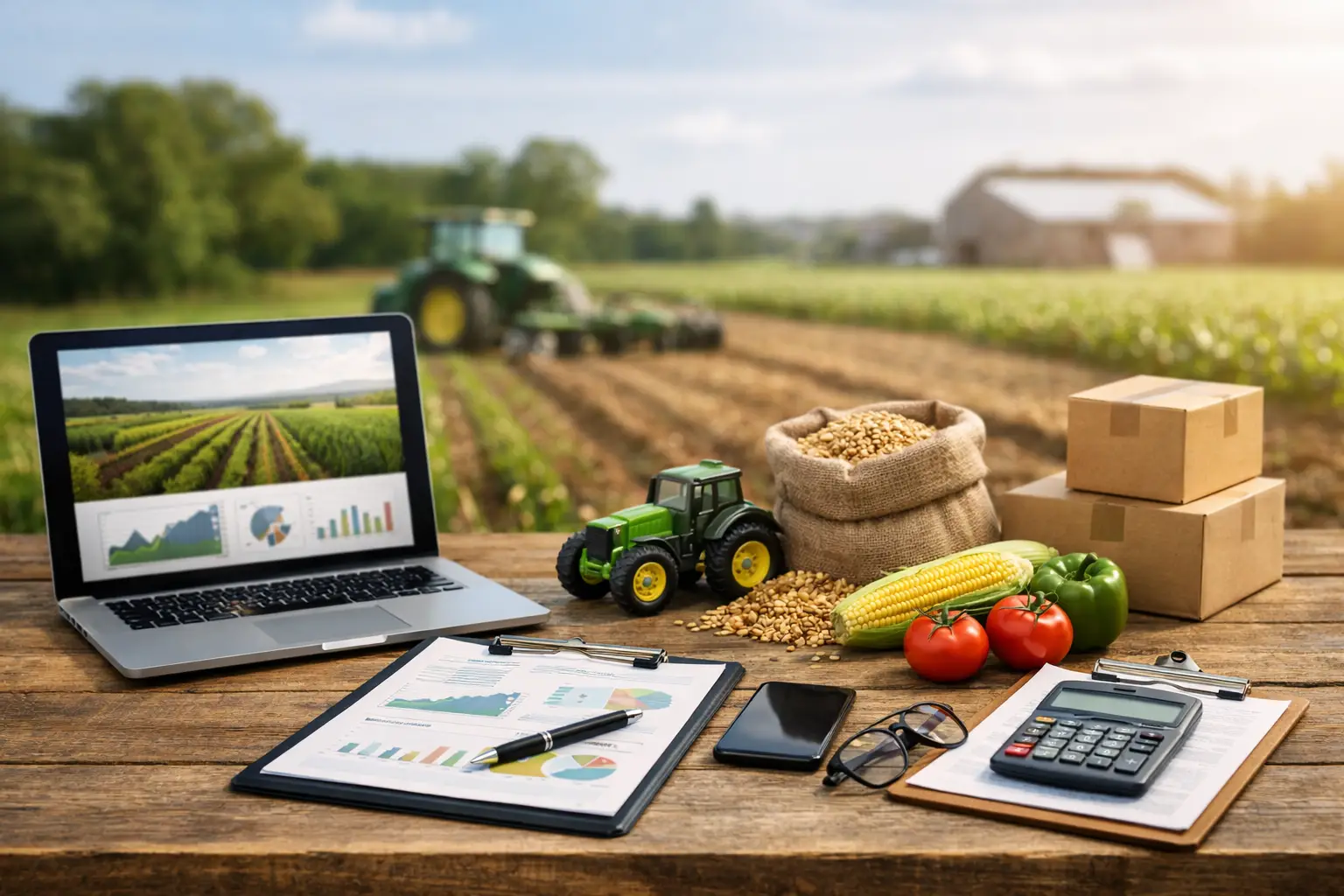
A late fertilizer delivery, a missing machinery part, or a seed order that does not match the spec can throw off an entire season. That is why the best tools for farm procurement are not just software products or marketplaces – they are decision tools that help agricultural businesses buy with more speed, better visibility, and less risk.
Procurement on a farm is rarely one simple purchase. It involves comparing suppliers, checking product quality, managing timing, tracking budgets, and keeping records that support future buying decisions. For growers, input dealers, distributors, and larger farm operations, the right toolset can reduce waste, improve negotiation power, and keep production moving when margins are tight.
What makes the best tools for farm procurement?
The answer depends on the size of the operation and what you buy most often. A row crop farm buying seed, fertilizer, crop protection, irrigation parts, and repair services has different needs than a livestock business sourcing feed, fencing, equipment, and veterinary supplies.
Still, the strongest procurement tools tend to solve the same business problems. They help you find relevant suppliers faster, compare offers clearly, track spending, and avoid buying blind. They also reduce dependency on scattered phone calls, spreadsheets, and inbox threads that make it harder to audit purchases later.
Core features that matter most
When evaluating farm procurement tools, focus on practical buying performance rather than feature overload. The best options usually include:
- Supplier discovery and verification
- Quote request and comparison workflows
- Product category filtering
- Purchase tracking and recordkeeping
- Budget visibility and cost control
- Inventory or reorder support
- Communication history with vendors
- Multi-user access for farm teams or purchasing staff
If a tool looks impressive but does not help you source faster or buy more accurately, it is probably not the right fit.
Comparison table: best tools for farm procurement by use case
| Tool type | Best for | Main advantage | Main limitation | Typical farm use |
|---|---|---|---|---|
| Agriculture marketplace and directory | Supplier discovery and quote collection | Fast access to multiple category-specific vendors | Quality depends on listing depth and supplier responsiveness | Finding irrigation, machinery, seed, fertilizer, and service providers |
| ERP or farm management system | Larger operations with formal purchasing workflows | Centralized purchasing, finance, and reporting | Higher cost and setup complexity | Managing approvals, budgets, and purchase orders |
| Inventory management software | Farms with frequent input consumption | Better reorder timing and stock visibility | Less useful for supplier discovery | Tracking feed, parts, chemicals, and packaging |
| E-procurement platform | Multi-site or high-volume agribusinesses | Standardized purchasing process | Can feel heavy for smaller farms | Controlling spend across teams and locations |
| Spreadsheet-based procurement tracker | Smaller operations with simple buying cycles | Low cost and flexible | Error-prone and hard to scale | Basic seasonal planning and vendor tracking |
| Messaging and document tools | Fast vendor communication | Easy coordination and file sharing | Poor audit trail if used alone | RFQs, invoices, delivery confirmation |
1. Agriculture marketplaces and commercial directories
For many buyers, this is the most practical place to start. A specialized agriculture marketplace or directory gives you access to suppliers, products, and service providers organized by real farm categories rather than generic business labels.
This matters because procurement speed depends on relevance. If you are sourcing drip irrigation, greenhouse film, compound fertilizer, livestock handling equipment, or a local agronomist, category-based supplier discovery saves time and improves the quality of your options.
Why these platforms work well
They bring fragmented sourcing activity into one searchable environment. Instead of bouncing between web searches, trade contacts, and outdated vendor notes, buyers can compare supplier profiles, review product offerings, and send quote requests from a single place.
For global buyers and sellers, this format is especially useful. It supports cross-border sourcing, new supplier discovery, and better market visibility. A platform such as Agricial fits this model well because it is built around agriculture-specific sourcing rather than general business networking.
Best use cases
- Sourcing new suppliers in unfamiliar categories
- Comparing options across regions
- Requesting multiple quotes quickly
- Finding specialist products and services
- Building a broader vendor base before peak season
2. ERP and farm management systems
If your operation has multiple decision-makers, recurring purchase orders, and tighter financial controls, an ERP or advanced farm management system can be one of the best tools for farm procurement.
These systems usually connect purchasing with accounting, inventory, operations, and reporting. That gives managers a clearer picture of what was ordered, what was received, what it cost, and how it aligns with budget targets.
Where they add the most value
An ERP is not usually the best tool for discovering new vendors. Its value comes after you already have a procurement structure in place. It helps standardize approvals, reduce duplicate buying, and create stronger reporting for larger farms, cooperatives, processors, and agribusiness groups.
The trade-off is implementation effort. Smaller farms may find these systems too expensive or too rigid unless procurement volume justifies the investment.
3. Inventory management software
Procurement problems often start with poor stock visibility. If you do not know what is on hand, you will either overbuy or run short at the wrong time.
Inventory management tools help farms track usage rates, reorder points, and stock locations. That is especially useful for high-turn items such as fertilizer, crop protection products, feed ingredients, spare parts, irrigation fittings, and packaging materials.
Why inventory tools matter to procurement
Good purchasing decisions depend on timing. If a farm can see that chemical stock is running low or that replacement parts are moving faster than expected, it can buy proactively instead of paying premium prices during an emergency.
These tools are strongest when paired with a sourcing platform or purchasing system. On their own, they tell you what to buy and when. They do not always help you decide who to buy from.
4. E-procurement platforms
E-procurement platforms are designed to formalize purchasing. They typically support vendor onboarding, request for quotation workflows, approval paths, purchase orders, and spend analysis.
For larger agricultural businesses, these tools can improve discipline and reduce off-contract spending. They are particularly valuable when procurement is spread across sites, departments, or business units.
Best fit
This category works best for processors, exporters, distributors, large farms, and integrated agribusinesses with recurring procurement volume. For a smaller independent farm, it may be more system than necessary.
The key question is whether process control is a major need. If uncontrolled spend, approval delays, or inconsistent vendor use are costing money, an e-procurement platform can deliver real returns.
5. Spreadsheets and simple procurement trackers
Spreadsheets are not glamorous, but they remain common because they are flexible and cheap. Many farms still use them to track seasonal input plans, vendor contacts, expected costs, and delivery status.
For very small operations, that can be enough. A clean spreadsheet can help organize pre-season buying and create a basic record of supplier pricing.
The problem with relying on them too long
As purchasing volume grows, spreadsheets become harder to control. Versions get mixed up, line items are missed, and communication lives somewhere else. That creates risk during peak planting, harvest, or maintenance periods when buying mistakes are most expensive.
They are useful as a starting point, but not usually the best long-term answer for active commercial procurement.
6. Communication and document management tools
Procurement does not end when a quote arrives. It continues through negotiation, order confirmation, shipping documents, invoices, and delivery checks. That is why communication and document tools deserve a place in the procurement stack.
Shared folders, approval records, and centralized message history can reduce confusion across farm managers, buyers, and finance teams. They also help when disputes arise over quantities, specs, or delivery dates.
Used alone, these tools are incomplete. Used alongside sourcing and purchasing systems, they make procurement more accountable and easier to review.
How to choose the right farm procurement tool mix
The best setup is usually a combination, not a single platform. A growing farm business may use a marketplace to discover suppliers, inventory software to monitor stock, and a simple purchasing tracker to manage budgets. A larger agribusiness may combine supplier directories with ERP and e-procurement tools.
Ask these questions before you decide
- Are you mainly trying to find better suppliers or control internal purchasing?
- Do you buy across many categories or just a few recurring items?
- How many people are involved in approvals and ordering?
- Is your main pain point price comparison, stock visibility, or recordkeeping?
- Do you source locally, internationally, or both?
Those answers will narrow the field quickly.
Common mistakes when evaluating the best tools for farm procurement
Many buyers choose based on feature count instead of workflow fit. More modules do not automatically mean better results. If your team cannot use the tool easily during a busy season, adoption will stall.
Another mistake is ignoring supplier access. A strong internal system still falls short if it does not connect you to qualified vendors. Procurement works best when discovery, comparison, and transaction records support each other.
It is also worth watching data quality. Product specs, supplier categories, pricing fields, and communication logs need to be clear enough to support real buying decisions. If the information is thin or outdated, speed can come at the expense of accuracy.
Final thought
The best farm procurement tools are the ones that help you buy with confidence under real operating pressure. Whether you need broader supplier access, tighter cost control, or better timing on repeat purchases, the right mix should save time, reduce friction, and create more room for growth across the season.