
Key Farming Lessons from the 2020–2021 Season
The 2020–2021 cropping season delivered mixed results, prompting farmers to reassess strategies. Here are five critical lessons shaping future decisions.
A Season of Reflection After a Challenging Harvest
The 2020–2021 cropping season concluded with results that fell short of expectations. As harvest wrapped up, farmers took time to evaluate what worked, what failed, and what needs to change moving forward. Despite farming being a cyclical process, each year brings new insights—often repeating familiar challenges tied to yield, crop quality, and environmental conditions.
This year was no exception. While some practices delivered promising outcomes, others exposed vulnerabilities that will influence planning for the upcoming season.
Key Findings at a Glance
| Area | Observation | Impact |
|---|---|---|
| Crop Establishment | Strong results after spring linseed | Improved soil structure |
| Yield Performance | Wheat blends outperformed single varieties | +0.9 t/ha increase |
| Grazing Practices | Late grazing still boosted wheat yield | +0.3 t/ha gain |
| Weather Conditions | Dry, cold spring hindered crop establishment | Poor barley & linseed growth |
| Pest Management Strategy | Reduced insecticide use led to crop damage | Yield and quality penalties |
1. Strong Soil Conditions Boost Wheat Establishment
One of the standout successes came from direct drilling winter wheat after a spring linseed crop. The soil was notably well-structured and easy to work with, allowing for smooth establishment during autumn and winter.
This result reinforced the value of including break crops in rotation systems. Improved soil condition not only supports early crop development but also contributes to long-term productivity.
2. Wheat Blends Show Yield Advantage
Yield data collected from combine maps revealed that wheat blends outperformed single varieties by an average of 0.9 tonnes per hectare. While these findings are not from controlled trials and include some field variability, the trend is significant enough to influence future planting decisions.
Blending varieties may offer resilience and yield stability, making it a strategy worth expanding in the next season.
3. Grazing Wheat Delivered Unexpected Gains
A surprising outcome emerged from grazing winter wheat. Even though sheep were introduced later than planned, the grazed section of the field recorded a yield increase of 0.3 tonnes per hectare compared to the ungrazed area.
This result challenges assumptions about optimal grazing timing and suggests that grazing could play a more valuable role in crop management than previously thought. Further experimentation is planned to better understand this effect.
4. Spring Weather Exposed No-Till Limitations
The season’s dry and cold spring created significant challenges, particularly for spring barley and linseed grown under no-till systems. Poor soil moisture and inadequate seedbed conditions led to weak crop establishment.
In response, farmers have invested in disc equipment to:
- Manage volunteer crops and weeds
- Improve soil tilth
- Retain moisture in dry conditions
This adjustment aims to create better early growth conditions in future seasons with similar weather patterns.
5. Reducing Insecticides Comes with Trade-Offs
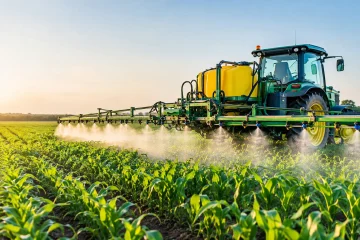
Efforts to reduce insecticide use revealed immediate drawbacks. Wheat crops showed signs of barley yellow dwarf virus, while linseed suffered damage from flax beetle activity.
These issues resulted in both yield loss and reduced crop quality. Although the short-term impact is negative, farmers remain committed to reducing chemical inputs, hoping that long-term environmental and ecological benefits will outweigh current setbacks.
Looking Ahead: Balancing Risk and Progress
Farming continues to be shaped by variables beyond human control—especially weather and pest pressures. However, each season offers lessons that refine decision-making and improve resilience.
Despite the difficulties faced during the 2020–2021 season, optimism remains strong. Farmers are preparing for the next cycle with renewed strategies, practical adjustments, and the same enduring ambition to achieve better results year after year.